
 E-Paper



SNDT College declares results of study of geriatric female population in rural Maha
The study is an observational, quantitative, cross-sectional study in 34 districts of rural Maharashtra using a structured, close-ended schedule


A study of the geriatric female population in rural Maharashtra was carried out by the SNDT College of Home Science, Pune, the results of which are being declared today revealing important insights.
The study is named “Assessment of physical and mental health status of geriatric women in rural Maharashtra: A post Covid-19 pandemic analysis” and Vinod Shah is its co-principal investigator and also chairman, Janaseva Foundation, Pune; while Muktaja Mathakari is the study’s principal investigator and also ex-principal, SNDT College of Home Science, Pune. The other participants include: Subhash Salunke, former director-general, Health Services, Government of Maharashtra; Sachin Deore, principal (additional charge), SNDT College of Home Science, Pune; and B T Lalwani, director, Research Centre, Janaseva Foundation, Pune.
Shah said, “This cross-sectional study examines the post-pandemic health status of elderly women aged 60 years and above in rural Maharashtra, India. Drawing from 9,177 completed interviews, the key findings highlight significant challenges. A majority of respondents fell within the 60 to 70 years’ age bracket, with Hindus comprising the predominant religious group, and over two-thirds lacked formal education. Economic vulnerabilities were evident, with many reporting monthly incomes below ₹5,000, raising concerns about financial stability.”
“Health-related insights revealed a considerable burden of chronic diseases, coupled with limited access to essential healthcare services. The psychological impacts of the pandemic, such as heightened anxiety and fear, were also documented. The study underscores the urgent need for tailored interventions addressing the multifaceted challenges faced by elderly women in rural Maharashtra. These interventions should encompass healthcare provisions, socioeconomic support systems, and initiatives aimed at enhancing mental well-being,” Shah said.
Mathakari said, “The Covid-19 pandemic has disproportionately affected the socio-psychological wellbeing of older adults, especially in low-and middle-income countries (LMICs), exacerbating feelings of fear and isolation. Studies highlight heightened vulnerability among older adults to the pandemic’s adverse impacts, leading to increased anxiety and depression levels. Rural women in LMICs have faced particular challenges, experiencing heightened isolation and a lack of social support networks. Urgent interventions are needed to address the psychological distress faced by this demographic, emphasising the importance of bolstering mental wellbeing support during and after the pandemic.”
“Therefore, to assess the post pandemic impact of Covid-19 on the elderly as a major public health concern, we conducted the following research study focused on elderly women. Through this study, we tried to assess the overall physical and psychological health status post Covid-19 of the elderly women aged 60 and above in rural Maharashtra,” Mathakari said.
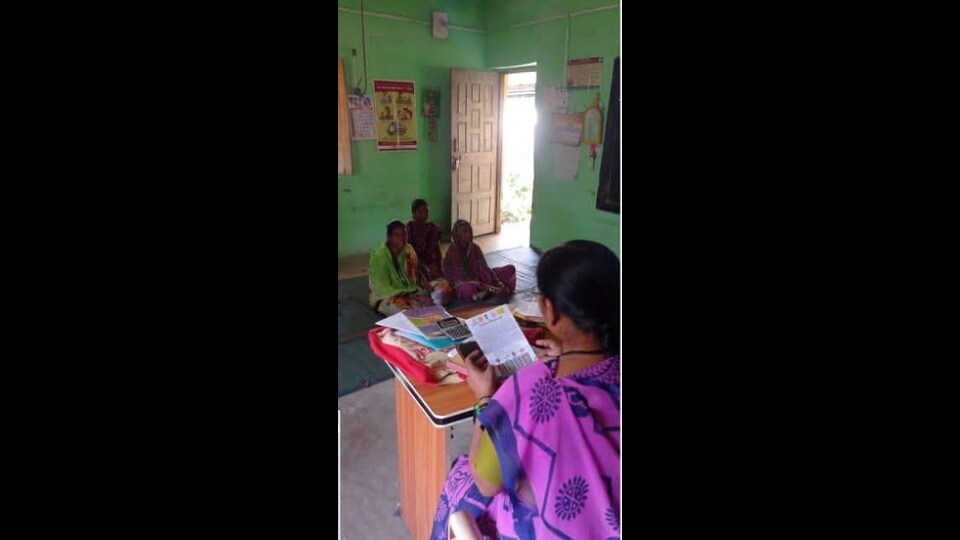
The study is an observational, quantitative, cross-sectional study in 34 districts of rural Maharashtra using a structured, close-ended schedule. A total of 10,000 elderly women was selected through convenience sampling and after exclusion of incomplete interviews, an analysis was carried out of 9,253 completed interviews of elderly rural women. Data was collected from April to December 2022 through face-to-face interviews conducted by 18 qualified and trained personnel. The participants were selected using convenience sampling method.
The questionnaire comprised of five sections. The first section gathered the participants’ socio-demographic information, including age, religion, caste, and education level. The second section focused on socioeconomic factors such as ration card status, monthly income, and financial dependence. The third section collected data on substance use and assessed physical and nutritional health, including non-communicable diseases. The fourth section aimed to gauge the psychological impact of the pandemic, while the final section inquired about the participants’ knowledge regarding the pandemic.
About the results of the study, Salunke said, “A total of 9,253 elderly women participated across the rural areas of 34 districts in Maharashtra and the data of 9,177 women was utilised for final analysis. A majority of the participants fell within the 60 to 70 years’ age bracket, showcasing an average age of 68.5 years. The religious composition depicted Hindus as the largest demographic, constituting 80% of the respondents; followed by Buddhists at 14%. Caste distribution appeared relatively balanced, with 31% identifying as Other Backward Classes (OBCs) and 23% affiliated to the Scheduled Castes (SCs) category. Over two-third of the respondents were illiterate; over 14% though did not have any formal education but could still read and write. Almost 60% of our respondents were married.”
“Almost three-fourth of the women over 80 years of age were widowed. Over 54.2% of our participants were part of a joint family setup and around 49% stayed with their husbands. 16% required assistance with their daily activities. This dependency increased to 18% among those aged 80 years and above, highlighting the growing need for caregiving and support services as individuals age. While many had Aadhar cards and ration cards, a significant percentage had monthly incomes of less than ₹5,000, raising concerns about financial stability and access to necessary services. Food preferences showed that many respondents had poor hunger levels, which may be related to gender differences and poverty. Most individuals reported consuming two meals a day,” he said.


