
 E-Paper



Health dept. gears up to tackle vector-borne, waterborne diseases
Furthermore, drinking water sources will be tested regularly to ensure that the water is fit for consumption. Kits for epidemic control will be distributed


PUNE
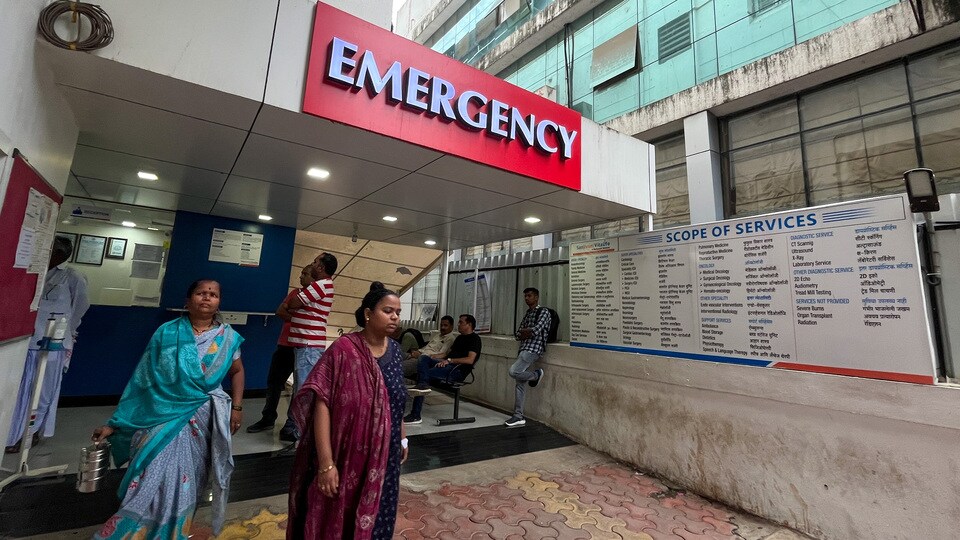
The state public health department has come up with an action plan to combat the monsoon-related surge in the number of vector-borne and waterborne diseases.
A senior official said, “This year, the health department has identified high risk villages and teams have been formed accordingly at the village- and district- levels. These rapid response teams have been trained and kept ready to handle any disease outbreak. Daily reports of cases will be prepared at the district level and closely monitored. A list of nodal officers in the districts with contact numbers will be prepared and updated at the district- and state- levels.”
Furthermore, drinking water sources will be tested regularly to ensure that the water is fit for consumption. Kits for epidemic control will be distributed. A list of ASHA (Accredited Social Health Activists) workers and health workers will be submitted to the district health officers, the officials informed.
State public health minister Tanaji Sawant on Saturday held a review meeting to check the preparedness of the health department to handle outbreaks of vector-borne and waterborne diseases during the monsoon. Preparedness at both district- and village- levels, especially that of high risk villages, was reviewed.
Sawant said that mosquito breeding spots should be monitored regularly and hygiene of water stocks should be maintained through public participation. “A booklet with guidelines to handle any outbreak of disease should be prepared by the rapid response team. The stock of drugs at healthcare facilities should be updated and adequate stocks should be kept available. The Gram Panchayats, Nagar Panchayats and other local bodies should conduct information, education and communication (IEC) programmes. Noticeboards can be put up to spread awareness about disease,” Sawant said during the review meeting.
Dr Kailas Baviskar, deputy director of health services, said that a list of vulnerable villages has been prepared and door-to-door surveys have been initiated to identify dengue, malaria, Japanese encephalitis and leptospirosis patients.
Dr Baviskar said that regular visits to ashram schools are being carried out to identify patients. “A survey of water sources has been carried out across the state. Around 76K water samples have been tested for water quality. The testing facilities at laboratories and the medicine stocks at healthcare facilities across the state have been upgraded. An epidemiology survey is being carried out at the village level with the help of other departments. Citizens are being counselled to keep their surroundings clean and take measures to prevent breeding of mosquitoes,” he said.


