
 E-Paper



Sutradhara’s tales: Ballads of Punyapattan!
Middle-aged poetry continued through British times till today through rich traditions of Shahirs and is still celebrated through like of modern-day ballads

 Prefer HTon Google


Eulogising the great heroes and historical events is not uncommon in Indian literature. Right from epics of Mahabharata and Ramayana to Kargil war heroes, Indians relish and are inspired from tales of glory and courage.
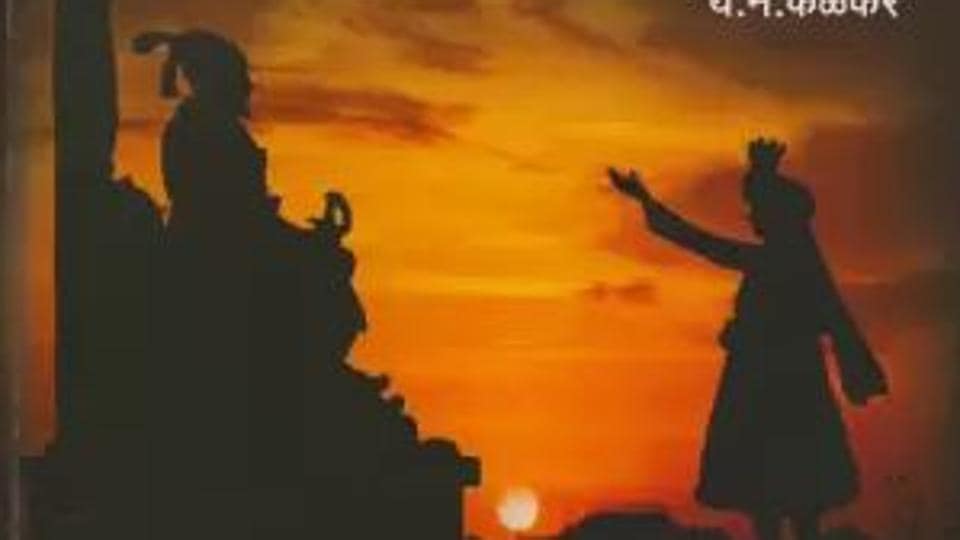
Marathi written poetry in the form of pothis and religious texts, however, is largely full of moral disquisitions and reflections which are sung by selected few. The more commonplace and enthusiastic poetry enjoyed by Maratha peasantry and masses (Rayat) for war-like race such as Marathas emerged in the form of ballads. The humble Gondhalis would travel from village to village in plains and ridges of Deccan and deep valleys of Sahyadri mountains as they sing the tales of victory and defeat, heroic deeds and heroic men while the excited audience listened with rapt attention and found their source of identity and inspiration. Later, these poets, also known as Shahirs were felicitated by various rulers. Marathi poetry in the form of ballads reflect a national pride as they embody the national memories of fight for freedom for the great nation (Maha-Rashtra), going beyond distinctions of caste, tribe and region.
The rare credit of collating these rhythmic and structured works of literature goes to Shankar Tukaram Shaligram and eminent historian Yashwant Narasinha Kelkar. July 19, 2022, marks the 110th birth anniversary of Kelkar and I take this opportunity to share the lost ballads or Powadas collected and painstakingly studies by him pertaining to our dear city of Pune.
Pune is referred in ballad from the start of the poetry form in the 17th century featuring Chhatrapati Shivaji Maharaj and his adventures. Though there are limited Powadas from Shivaji Maharaj’s times, Pune is found in famous Tanaji’s Powada by Tulsidas Shahir. The number of ballads written and sung increase as we reach the 18th century, the Peshwe era.
It is pertinent to note that the ballads also record the defeat and losses at battles and wards with utmost sincerity and candid manner. This is reflected in the vivid descriptions of battle of Panipat portrayed in Powadas by unknown Shahir and Saganbhai Shahir. Contribution of Nanasaheb Peshwa from Pune has been appreciated here and Pune is mentioned as a city of riches with no dearth of gold coins. The Powada ends in tragedy describing the irreparable losses at Panipat battle and how the shocking news was received in Pune. Nine lakh bangles were broken pointing out the huge human loss at the battle followed by sati and young Madhavrao I was installed as the new Peshwa as inconsolable Nanasaheb passed away in sorrow.
The greatness of various Peshwas and their contribution to development of Pune as a culturally rich and urban city has been eloquently quoted in many ballads of 18th century. This is well reflected in “Nanasahebancha Powada” by Shahir Shivram Pimpalgaonkar. The ballad starts with describing various exotic creatures such as rhinoceros, sambar, tigers, kingfishers that were housed in shikarkhana created by Nanansaheb. It mentions the important bridges built during his reign. The wadas raised by him rhymes beautifully with exotic breeds of horses or ghode! Shahir goes on describing various breeds of horses and how the paga or horse stables at Pune is well equipped with more than 12,000 horses.
Poet laments at the loss of his son Vishwasrao and nephew Sadashivrao Bhau, but finds assurance in Madhavrao Peshwa’s able rule. He applauds the great generosity of Nanasaheb through scholarships that were offered through Ramna to the Brahmins hailing from Bundelkhand, Malwa, Kashi, Gujarat, Karnataka, Telangana and Konkan. He takes digs at the greedy Brahmins who are never satisfied in spite of bountiful scholarships donated.
The most famous Powada on Pune is by famous Shahir Ram Joshi. No other city or town in Maratha empire had a privileged to be featured in the ballads of Marathi poets the way Pune has! It starts with establishing Peshwas as the most important and beloved minister amongst the eight ministers of Shahu Chhatrapati.
It says, “Town of Pune is petite and well planned equipped with efficient water system through canals established by Peshwas. Peshwas are the benevolent administrators caring for the masses through provision of uniform houds or tanks built on crossroads throughout the city. Pune is as rich as Lanka from Ramayana and houses within itself the palatial mansions of nobles and commanders. The palaces riches are beyond description and elephants, palanquins, and various paraphernalia is sure signs of the riches enjoyed by each Sardar. The trade in bazars of Pune is thriving and nowhere on earth will there be such an empire where Brahmins ride horse like Kshatriya and fight like able soldiers and are feared by the enemies.”
The poet recounts “well planned ornamental gardens in the city and thousands of horses in the stables. Huge mansion line evenly along the city streets and beggars are a rare sight in the city! Military commander Mahadaji Shinde along with his French recruit, Benot de Boigne, Gaikwads, Bapu Gokhale and other nobles rush to save the empire in case of any emergency (Here, the French recruit is referred to as Jyan Battis, approximated from John the Baptist!)
In third stanza, Peshwa clan is described as incarnation of Vishnu which has appeared on earth to save the earth from enemies. Poet lists the three and a half wise men of Maratha Empire, namely, Sagopant (Sakharam Bapu Bokil), Deorav (Devaji Pant Chorghade), Vitthal Sundar and Nana Phadnis! Commanders such as Holkar, Shinde and Bhosale are applauded for their excellent swordsmanship on battlegrounds. Sardar Patwardhan as well as Ghorpades, Raste, Purandare and Panses who are known to occupy battle field to corner enemies’ troops are compared to burning cannon balls, arrows and ammunition. Nana Phadnis’s strict administration is incomparable in the entire world and such is the Brahmin rule of Marathas in Pune.
Fourth stanza describes the sacred religious centre of Parvati hill where the drums beat throughout the day. The staircases are lined up from the base and there is no dearth of sweet meats and prasad for the gods. The gold idols of Parvati are honoured for their sanctity and beauty. The poets go on naming important places in Pune such as Ramna, Ganesha at Sarasbaug lake, Tulshibaug, Ambil Odha stream and Budhwar Palace near Belbaug garden. Pune city, through eulogised description, has been engrained in minds of masses through such effective and entertaining poetry for more than two centuries. A similar extravagant poetry is found describing the luxuries and indulgences enjoyed by Bajirao II at Shukrawarwada and Budhwarwada.
As mentioned earlier, Shahirs do not shy away from describing defeats and uncomfortable historical events. Thus, there are ballads by Shahir Prabhakar and Lahari Mukunda about death of Sawai Madhavrao, murder of Narayanrao Peshwa and the terrible defeat of Marathas at battle of Khadki where they do not mince words to condemn Raghunathrao Peshwa and Bajirao Peshwa for their treachery and cowardice.
These middle-aged poetry continued through British times till today through rich traditions of Shahirs and is still celebrated through like of modern-day ballads, Shahir Hemant Mawale who continue to weave poetry of glory! It may not provide with accurate narration of historical episodes, but the adrenaline rush in the sounds of Powadas and the inspiriting content continue to enthral the audience even today!
Saili Palande-Datar is an indologist, environmentalist, history researcher and farmer. She can be reached at sailikdatar@gmail.com


