
 E-Paper



SWaCH cooperative faces threat as PMC plans Indore model
On Sunday, nearly 1,500 waste pickers marked SWaCH’s 18th anniversary by raising concerns about the proposed changes

 Prefer HTon Google


The future of SWaCH, India’s largest waste picker-run cooperative, hangs in the balance as the Pune Municipal Corporation (PMC) considers adopting the Indore model of waste collection, a shift that could drastically alter the city’s current waste management system.
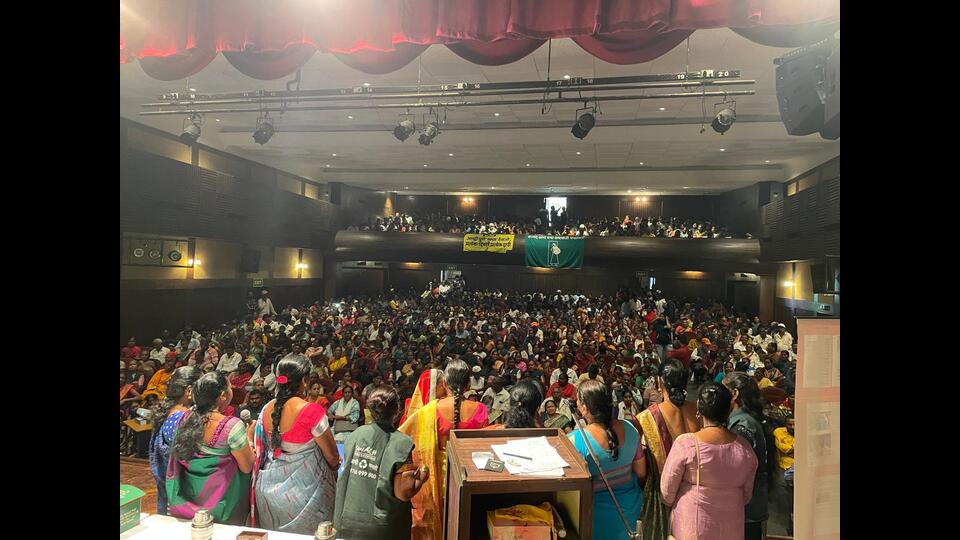
On Sunday, nearly 1,500 waste pickers marked SWaCH’s 18th anniversary by raising concerns about the proposed changes. Recognised by the Ministry of Cooperation as a national model — alongside Gujarat’s SEWA, SWaCH currently serves over 900,000 households in Pune. Its decentralised, doorstep waste collection model allows waste pickers to earn directly from user fees and recyclable materials, while delivering high rates of segregation and recycling at minimal cost to the city.
PMC’s plan to move toward a vehicle-based, gate-to-gate collection system threatens to dismantle this framework. According to SWaCH, the shift could displace up to two-thirds of Pune’s 3,900 waste pickers, approximately 2,600 workers, and undercut the cooperative’s user-fee system.
“If citizens in one area stop paying because the service is covered by taxes, why would others continue paying us?” asked Vidya Naiknavre, a SWaCH worker.
Experts echoed these concerns. “It’s shocking that Pune is looking to copy Indore, when it’s the Pune model that the rest of India should be emulating,” said Atin Biswas, programme director for Solid Waste Management at the Centre for Science and Environment (CSE).
SWaCH representatives said they had planned to meet municipal commissioner Ram Naval Kishor and union minister of State Murlidhar Mohal, but both officials cancelled at the last minute. The gathering was so large that a second meeting had to be held outside.
Speakers at the event warned against replacing the cooperative’s user-fee model with a wage-based system. Some workers reportedly earn over ₹30,000 per month for part-time work under the current setup. Many senior workers fear they would be excluded from a more mechanised, contractor-driven model.
“This system is decentralised and built on citizen responsibility. We should be strengthening it, not abandoning it. As long as dumping remains free, our streets will continue to be dirty,” said Lubna Anantakrishnan of SWaCH.
Responding to the growing apprehensions, PMC’s head of Solid Waste Management, Sandeep Kadam, offered reassurance.
“There’s no need for SWaCH workers to worry. The new system will help keep the city clean. The rumours are false. We have supported SWaCH and will continue to do so.”


