
 E-Paper



Tamhini wettest station this monsoon, soaks up 9,109mm rainfall
Weather experts have called for further study to understand the reasons behind the extreme rainfall in Tamhini, even as they expressed concern over the declining rainfall trend in Cherrapunji and across the Northeast


The Tamhini station has recorded 9,109 mm rainfall between June 1 and September 23, the highest reported at any India Meteorological Department (IMD) station in the country this monsoon. The figure has made the mountain pass in Pune district India’s wettest place once again.
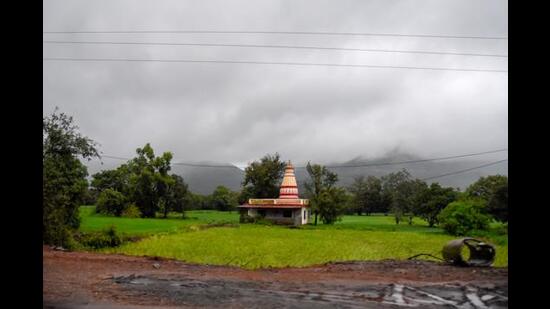
For the second year in a row, Tamhini has surpassed Cherrapunji, traditionally known as the wettest location in India. In 2024, Tamhini logged 9,644 mm rainfall during the monsoon season, compared to 7,303.7 mm at the tourist town in Meghalaya. This year too, the gap is striking—while Tamhini has already received 9,109 mm of rainfall till September 23, Cherrapunji has recorded only 4,217 mm.
Weather experts have called for further study to understand the reasons behind the extreme rainfall in Tamhini, even as they expressed concern over the declining rainfall trend in Cherrapunji and across the Northeast.
SD Sanap, senior meteorologist at IMD Pune, had said, “One possible reason for such high rainfall in Tamhini is its elevation above sea level. The Sahyadri Range creates strong convergence over the region, leading to exceptionally dense cloud masses, particularly around the ghat section. This results in very heavy rainfall. In addition, the monsoon flow from the Arabian Sea and the development of weather systems also play a significant role in the unusually high rainfall seen in Pune’s ghat areas, especially Tamhini.”
Other parts of Pune’s ghat section have also recorded heavy rainfall ranging between 5,000 mm and 7,000 mm. Shirgaon in Mulshi taluka followed Tamhini with 7,233 mm, while other stations reported similarly high figures.
Orange alert for Mumbai, Pune ghats
According to the IMD bulletin issued on September 23, a trough extending from an upper-air cyclonic circulation over coastal West Bengal, adjoining Odisha, and the northwest Bay of Bengal runs down to the south Maharashtra coast. Another cyclonic circulation is persisting over central Maharashtra.
The weather department has also forecast the formation of a fresh low-pressure area over the northwest and adjoining central Bay of Bengal around September 25, likely to intensify into a depression by September 26. The system is expected to cross the south Odisha–north Andhra Pradesh coasts around September 27.
Colour-coded alerts have been issued with yellow alert for most districts of Maharashtra, including Pune city, for light to moderate rainfall for September 24–27; orange alert for Ratnagiri district and the ghat areas of Satara and Kolhapur for September 26; and orange alert extended to Dharashiv, Mumbai, Thane, Raigad, Ratnagiri, Sindhudurg, and the ghat regions of Pune, Satara, and Kolhapur for September 27.


