
 E-Paper



Taste of Life: Fasting brings people of faith together
In July 1929, Shrimant Balasaheb Pantpratinidhi of the Aundh State delivered a lecture on dietetics and nutrition in the assembly hall of the Nutan Marathi Vidyalaya (NMV) School in Poona


Fasting is the practice of abstaining from food, either completely or partially, for a specific period. Found in most religions of the world, it has widely been used to purify the person or to atone for sins and wrongdoing.
In July 1929, Shrimant Balasaheb Pantpratinidhi of the Aundh State delivered a lecture on dietetics and nutrition in the assembly hall of the Nutan Marathi Vidyalaya (NMV) School in Poona. Known for his keen interest in nutrition and exercise, he was invited as speaker across Maharashtra. That day, he elaborated upon the importance of eating cereals, vegetables, and fruits; how vitamins affected the functioning of the human body; and how restricting portions of daily meals was beneficial in the long run.
Pantpratinidhi was disturbed by the newly acquired habit of eating snacks like “chiwda”, “bhaji” (fritters), and “chakali” between meals. He was known to endorse and preach “mitahar” – eating in moderation, criticising overeating on occasions like “Ekadashi”.
“Ekadashi”, the eleventh day of the waxing and waning lunar cycles of the Hindu calendar, was a day of fasting for many Hindus. There were two “Ekadashis”, and hence, two fasting days each month. While most men and women fasted for a day, some women kept the “Ekadashi” fast for three days. They lunched a day before “Ekadashi” and broke the fast two days later after sunrise. Some chose to fast without water, while some ate only fruits.
According to Pantpratinidhi, the ever-increasing popularity of “sabudana khichadi”, peanut laddoo and curry, barnyard millet pulao and proso millet porridge was an unwelcome sign of people not understanding the logic and reason behind fasting; fasting was meant to teach abstinence and cleanse the body, and gorging on “fasting food” was counterproductive.
The new middle class in early twentieth-century Maharashtra wholeheartedly embraced ingredients like sago and arrowroot that were earlier meant for the ill and the convalescent, and used it to cook novel dishes for fasting. Water chestnuts were used for cakes and halwa, while laddoos and kheer were made of amaranth. “Uposhanapakashastra”, written by Durgabai Bhat in 1891, was the first Marathi, and probably Indian, cookbook dedicated to recipes for fasting. It included dishes featuring fruits like apple, guava, and custard apples that were not then a regular part of the Maharashtrian diet.
“Ashadh Shuddha Ekadashi”, also known as “Devashayani Ekadashi”, the eleventh lunar day of the bright fortnight of the Hindu month of “Ashadh”, was one of the most important occasions when the homemaker could proudly display her repertoire of fasting dishes. It was also the beginning of “Chaturmasa”, a holy period of four months, ending on “Prabodhini Ekadashi”. It was customary for women to give up eating a dish or an ingredient during the “Chaturmasa”.
Fasting on “Ekadashi” was considered a marker of a “good” Hindu. It was also considered a form of training for the physical, moral, and spiritual development of man. Young men, it was felt, were losing touch with their religion and hence asked to practice austerity, penance, and fasting during the “Chaturmasa”. SR Jog, from Tasgaon, visited Poona every year in the 1930s to preach to young men the benefits of “Suryanamaskar” (Sun salutation) and fasting every “Ekadashi”. According to him, a man who performed “Suryanamaskar” daily and fasted every “Ekadashi” was blessed with the “highest form of spiritual and physical health”. Such men were essential for the protection of religion and country, he believed. He advised men to give up meat and alcohol, and fast at least every “Ekadashi” during “Chaturmasa”.
On June 10 and 11, 1931, the Marathi newspaper “Dnyanaprakash” published reports on the “Mumbai Ilakha Charmakar Parishad” held at Nasik. Pandurang Nathuji Rajbhoj, the senior editor-politician, presided over the conference attended by thousands of men and women of the “Charmakar” (cobbler) community from all over Maharashtra. In his address, Rajbhoj appealed to the audience to fight for their economic, political, educational, and religious rights. He had earlier participated in the “Parvati Satyagraha” with Dr Babasaheb Ambedkar to allow access to the so-called “lower castes” to the Parvati Temple and strongly believed that religious rights were important for an individual to lead a life with dignity and self-respect.
Rajbhoj told his audience that their “culture” was that of the so-called “upper caste” Hindus and that they should strive to adopt and reclaim it. To achieve this, he suggested they give up “vices” like the consumption of meat, alcohol, tobacco, and cannabis; they were to worship Lord Shiva daily and fast on “Ekadashis”.
“Ekadashi” was a political tool, too. A handful of organisations named varying versions of “Ekadashi Sanghatana” were born in the late 1920s in Poona. Their members fasted on every “Ekadashi” and donated the money thus saved to welfare funds established for the Indian political prisoners. Members of the “Ekadashi Sanghatanas” would also help the “Khadi Bhandars” sell their ware across the city.
Vishwanath Waman Sathe, the Congress leader, established one such “Ekadashi Mandal” on August 16, 1937. He aimed to collect money for the prisoners in Andaman. He had also fasted twice during his imprisonments at the Yerawada Jail demanding “sabudana khichadi”, barnyard millet rice and peanut curry for all prisoners every “Ekadashi”. His demands were never met.
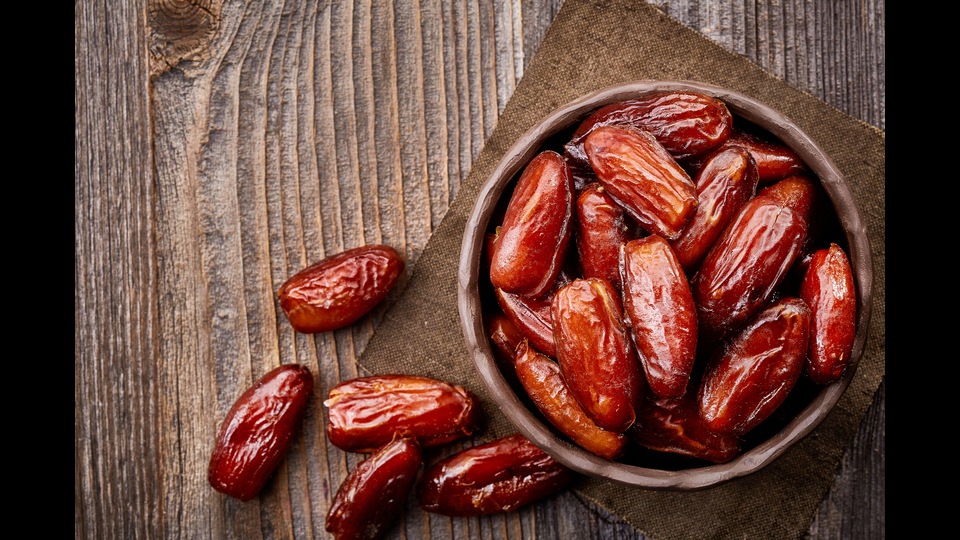
Since “Ashadhi Ekadashi” was a holiday for schools in Poona, socio-political leaders would visit schools the next day and offer dates to students. Some leaders like YR Datey and CG Malshe also donated medicines for diarrhoea and enteric fever to schools on the occasion.
Extra shows of movies and plays were organised at 3 pm on “Ashadhi Ekadashi”. Movies like “Sant Sakhu” and “Sant Meerabai” were shown and plays like “Swargasundari” were staged. Dates were distributed to the audience.
Religious discourses would be organised in almost all the temples of importance in Poona during “Chaturmasa”. They were attended mostly by women. Temples had a system where a different family was responsible for distributing “prasad” every day. The offerings usually included rajgira laddoos and “alepak” (a kind of ginger “barfi”). Several wealthy families hosted such events at their houses. They were known to have offered coffee in the 1940s.
“Ashadhi Ekadashi” was sometimes accompanied by “Muharram”. Muharram is the first month of the Islamic lunar calendar and holds a profound place in the hearts of Muslims worldwide. It is known as the “Month of Allah”.
The day of “Ashura” was the tenth day of Muharram. It commemorated the momentous event when Allah saved the Israelites from the tyranny of Pharaoh, and Prophet Musa fasted in gratitude. It was also a day of remembrance for the martyrdom of Imam Hussain, the grandson of Prophet Muhammad, who sacrificed his life in the Battle of Karbala for the cause of justice and truth.
A fast was held in remembrance of the death of Hasan and Hussain, the sons of Ali and Fatimah, the daughter of Muhammad. For many Shia Muslims in the nineteenth-century Poona, the fast began on the first of Muharram and lasted ten days. Both Shia and Sunni Muslims fasted on Ashura, but the reasons and practices differed between the two sects.
It was most recommended to fast on Ashura as it was believed that such fasting caused minor sins to be forgiven for the year that went before. Fasting on the day of Ashura was a voluntary act (“sunnah”). Some fasted from the fifth day to the tenth, or for three consecutive days on the ninth, tenth, and eleventh Muharram. After the fast was over, dishes like “malida”, “khichada”, and “pulao” were cooked and eaten.
Several newspaper reports from the late nineteenth and early twentieth centuries indicate that sherbet was distributed from the “sabils” in various parts of the city on the tenth and eleventh days of the Muharram.
Muharrum was a great example of hybrid religiosity in Poona where, according to several accounts, including that written by Sir Charles Wentworth Dike in 1869, “Hindoos and Portuguese and native Christians joined in the festivities”. According to Robert Needham Cust, Honorary Secretary of the Royal Asiatic Society, “the majority of tazia” in Poona were made by Hindus. The “tazias” and “taboots” of Poona were famous all over the subcontinent.
St Augustine, the patron saint of brewers and printers, once said that ”fasting cleanses the soul, raises the mind, subjects one’s flesh to the spirit, renders the heart contrite and humble, scatters the clouds of concupiscence”. We may or may not know if this is true. But we know that, like food, fasting too unites us.
Chinmay Damle is a research scientist and food enthusiast. He writes here on Pune’s food culture. He can be contacted at chinmay.damle@gmail.com


