
 E-Paper



Two factions, one front: NCP redraws its lines for local body polls
After Chandgad and Kagal, both NCP camps are set to forge an alliance for local body polls elsewhere in the state, especially in Western Maharashtra


PUNE: When the Nationalist Congress Party (NCP) split two and a half years ago, the rupture stayed largely confined to the top. Now, as local body elections approach, the rival factions are closing ranks, to contest as a united front. Local leaders from both sides admit they may no longer share an election symbol, but on the ground – among workers and cadres – they still see themselves as one camp.
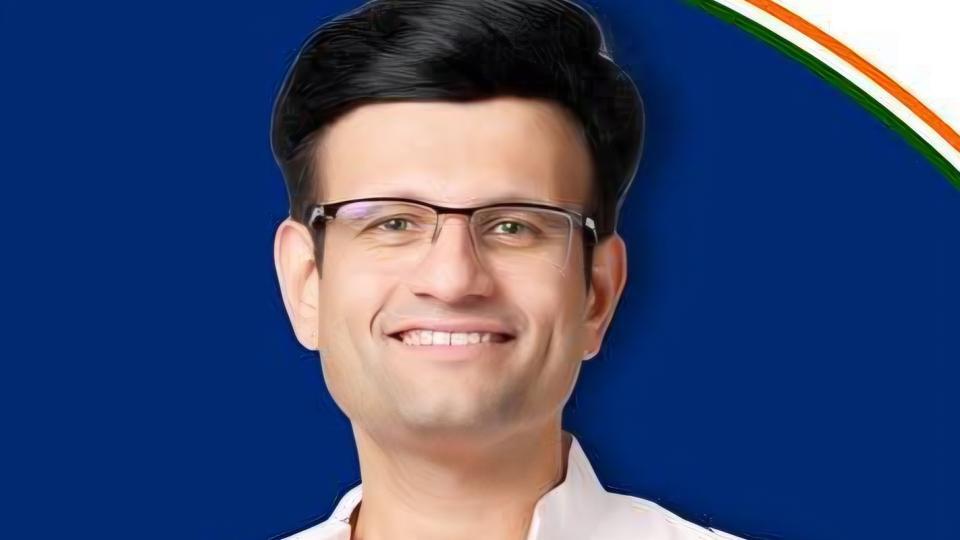
So, after Chandgad last week, the second municipal council to witness a formal tie-up between the two NCP factions is Kagal, also in Kolhapur. Senior NCP leader Hasan Mushrif and NCP (SP) leader Samarjeetsingh Ghatge shook on the deal on Tuesday.
Samarjit Ghatge of the NCP (SP) said both sides had “come together to stay together for a long time”. “The energy we once used against each other will now be used for the development of the city,” said Ghatge.
It is no coincidence that both Chandgad and Kagal are in Kolhapur in Western Maharashtra, a region where the NCP has a strong grassroots presence. By uniting for these elections, both NCP factions can keep the traditional NCP vote intact; a split would inadvertently boost the prospects of the BJP, big brother in the ruling Mahayuti alliance, of which the Ajit Pawar-led NCP is a constituent.
The Sharad Pawar-led NCP (SP) and Ajit Pawar-led NCP started discussing electoral tie-ups at the grassroots level only recently, after the senior leadership in both camps gave them the go-ahead.
NCP (SP) leader Supriya Sule had said “these elections belong to the workers” and that alliances between factions are “not wrong” if they help strengthen local cadres. “Sharad Pawar and Supriya Sule have authorised district-level decisions on alliances,” said NCP spokesperson Ankush Kakade, noting that NCP workers share deep personal associations across factions in Western Maharashtra.
In the same spirit, NCP chief Ajit Pawar had said after the Chandgad alliance was forged last week, “In politics, no one is a permanent enemy or friend.”
A first for NCP
This is not the first time political friends and foes have teamed up to contest local elections – but it is the first time the two NCP factions are contesting as one after the split in the party in July 2023. That’s when Ajit Pawar rebelled against his uncle Sharad Pawar to join the BJP-led Mahayuti government.
The NCP factions have contested two elections since, but both parties went head-to-head, and there was no talk of a potential reunion. In the 2024 Lok Sabha Elections, the NCP (SP) dominated, winning eight seats versus the lone seat won by the NCP in Maharashtra, while the Ajit Pawar-led NCP was a clear winner in the 2024 assembly elections, bagging 41 seats compared to the NCP-SP’s 10.
Now, a shift is visible at the grassroots, with the “Chandgad pattern” set to be replicated beyond Chandgad and Kagal. In Pimpri-Chinchwad, former mayor and NCP city unit chief Yogesh Behal last week claimed that the NCP (SP) had reached out to them. “We welcome this move. The division of votes between the two NCPs will only benefit the opposition. A final decision of the alliance will be taken by the parties’ seniors. Talks regarding this are ongoing,” Behl had said.
In Pune, NCP city unit president Sunil Tingre said many party workers favour an alliance with the rival faction for the upcoming Pune Municipal Corporation (PMC) polls. Contesting separately would inevitably divide the NCP vote, weakening both sides, Tingre underscored. His comments come only days after Ajit Pawar held a meeting with Pune workers, during which several were in favour of a joint fight.
Interestingly, in Baramati, the home turf of the Pawars, the contest for the municipal council is currently a three-cornered one – between the NCP, NCP (SP) and the BJP. Local NCP (SP) youth leader Yugendra Pawar said the party is prioritising new faces as many workers want to contest.
“Our workers were aggressive to contest the election. We have decided to take all the Maha Vikas Aghadi parties along with us. We have tickets mainly for young and new faces. It will help us create a new leadership,” said Pawar.
But the trend is quite the opposite elsewhere in the state. One senior NCP leader said if the two factions do not unite in key seats, it will give the BJP an advantage. “The BJP’s national strategy has been to ally with regional forces to gain ground and later outgrow them, a pattern the NCP must learn from.”


