
 E-Paper



Usage of banned plastic carry bags increases in Pune
According to a study by study by SWaCH and Pune Municipal Corporation, the city generates around 2,100 tonnes of garbage daily in which the plastic share is around 12 per cent. It touches 15 per cent during festivals


The recent study by SWaCH and Pune Municipal Corporation (PMC) supported waste pickers cooperative reports increased use of plastics, including banned carry bags. The waste pickers cooperative daily collects and segregates waste within the civic limits.
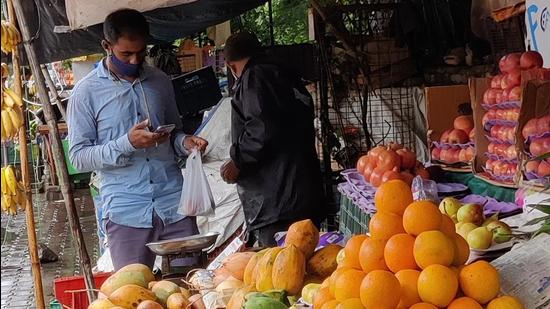
The report finds that the usage of plastic carry bags has increased in the city especially after relaxation of lockdown norms despite the state government’s guidelines on ban on plastics bags and other related products. These banned carry bags are being generously used by roadside food stalls and vegetables vendors.
The Maharashtra government had in March 2018 issued a notification banning the manufacture, sale and use of single-use plastic bags. It also banned an array of plastic products, including cutlery, straws and containers. The ban imposes a penalty between ₹5,000 and ₹25,000 for those violating the rules. At present, PMC is taking action on carry bags with a thickness of less than 50 microns.
According to the study, the city generates around 2,100 tonnes of garbage daily in which the plastic share is around 12 per cent. It touches 15 per cent during festivals.
Waste from over 1,000 households, featuring a mix of low, middle and high-income households, was studied for the audit. The waste was first sorted into categories by material type – plastic, paper, metal, glass, sanitary waste, wet waste, etc. Plastic waste was further sorted by type into PET, HDPE, PVC, LDPE, PP, PS, O, thermocol, rubber, wires etc.
Study highlighted “lack of political and administrative will (Centre, state and local bodies) to enforce plastic ban during economic slowdown. There is Increased concerns of hygiene leading to use of disposable plastic items – masks, gloves, plastic bags. Groceries being packed in 50 microns clear plastic bags.
“Certain categories of plastic bags – non-woven PP bags have proliferated the market despite being banned especially at liquor stores.”
Dr Ketki Ghatge, assistant medical officer of health, PMC solid waste management department said, “We are carrying out action on plastic material as per the state government directives. We impose, seize banned plastic materials and collect fine from shopkeepers, manufacturers for using and selling ban plastic materials. Nowadays, vegetables vendors and food stalls are using plastic carrybags with a thickness of less than 50 microns. Now, we have decided to intensify the action. The circular will be issue soon.”
Plastic waste contains milk bags, oil bags, food bags, yoghurt containers, plastic glasses, cooking oil canisters laminate tubes (toothpaste, medicines), carry bags (all micron thickness) blister packing, bubble wraps, shampoo powder bottles, empty sachets, detergent bags, wrappers cassettes, CD covers, plastic flowers, buckets among other things.
City’s plastic waste: Growing menace
SWaCH-PMC’s report on daily waste collection and segregation shows an increase in use of plastic, including banned plastic carry bags.
Dry waste: 25% of total waste
Plastic waste: 25% of dry waste or 6% of total
Non-recyclable plastic waste: 39% of plastic waste
Recyclable plastic waste: 61% of plastic waste
AUDIT FINDINGS
Multi-layered plastics was the most common type of plastic, forming 44% of total plastic waste, followed by single layered LDPE (27%). 76% of all plastic waste was food packaging.
Sanitary napkins and diapers (not part of audit) made mostly of plastic are 2.5% of all waste in the city (40–50 tonnes per day) – almost equal in weight to all the non-recycled plastic as of now not recycled.
Current issues:
Plastic waste liners used extensively (sold at traffic stops)
Multilayered packaging (chips, sachets etc) increased consumption
Increase in food delivery during pandemic lockdowns – hard plastic containers, and flexible plastic bags/pouches – containing sauces, curries, mayonnaise etc. which renders the plastic waste non-recyclable
Increased concerns of hygiene leading to use of disposable plastic items – masks, gloves, plastic bags.
Lack of enforcement
Lack of political and administrative will (Centre, state and local bodies) to enforce plastic ban during economic slowdown
Single/multi-use masks – surgical and N95s made out of plastic which are not recycled.
Groceries being packed in 50 microns clear plastic bags
Certain categories of plastic bags – non-woven PP bags have proliferated the markets, especially at liquor stores, despite being banned


