
 E-Paper



Roundabout: Ray of hope for Indian cinema
Many greats have given Indian cinema their hearts and souls, yet it is Satyajit Ray nurtured by the Bengal renaissance, who remains the revered Indian cultural icon both at home and abroad


Cinema lovers in Chandigarh pick their choice of the best films of the all-time great Indian filmmaker Satyajit Ray to mark the advent of his centenary celebrations in 2021

Many greats have given Indian cinema their hearts and souls, yet it is Satyajit Ray (May2, 1921- April 23, 1992) nurtured by the Bengal renaissance, who remains the revered Indian cultural icon both at home and abroad. Interestingly, the Ray journey coincides in time with the coming up of the city of Chandigarh in the post-Independence India of the 1950s. Many of the city-bred did not get to see Ray’s films till as late as the 1970s and 1980s and that too courtesy the film appreciation courses and the city’s Film Society. Now, with his birth anniversary just gone by, a few city film connoisseurs pick out their favourites from the filmmaker’s legacy of 36 classics in different genres as a mark of remembrance.
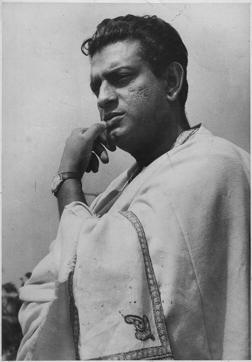
PATHER PANCHALI (1955): RANI BALBIR KAUR
Theatre and television actor-director veteran Rani starts at the very beginning to talk about the first film Ray made. “I grew up in the young city of Chandigarh and Ray’s films were not screened in cinema halls here, which catered to mainstream Hindi and some Punjabi films,” she recalls. It was not until the early 1970s that she saw Pather Panchali (The Song of the Road) when it was screened in Panjab University as part of a film appreciation course, organised by the Film and Television Institute of India in Pune.
Rani says that the film had a great impact on her with the poignant story of a brother and sister of a poor home in the Bengal countryside which sees the death of Durga and the consequent migration of the family from the village to the city.
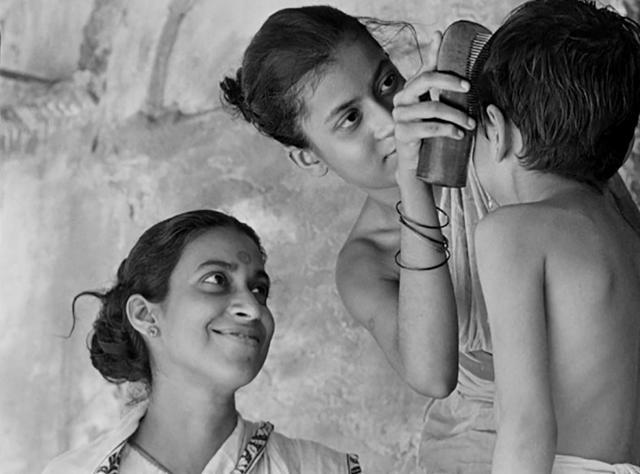
She confesses, “Even if I were to see the film today, I would be just as moved. How well Ray translated the novel by famed Bengali author Bibhutibhushan Bandyopadhyay into a visual symphony! I still return to the memory of the children running across the fields to see the train!”
The film, Rani feels, was Ray’s launching pad, that won a phenomenal number of awards at home and abroad, establishing him as a meaningful filmmaker. And he kept the promise right through his career.
Rubbishing criticism that Ray ‘exported India’s poverty,’ she says he was a realistic filmmaker who could tell a story most powerfully from his own milieu.
JALSAGHAR(1958): AJAY BHATIA
The city cinema connoisseur, who has watched and rewatched Ray’s films with a keen eye, finds Jalsaghar (The Music Room) to be the most outstanding. Ajay says, “This was Ray’s fourth film based on a Bengali short story by Tarashankar Bandhyopadhyay and one would rate it as a neo-classic chronicle of the decline of the Bengal feudal landed aristocracy told with such lyricism and melancholy!” Interestingly, Tarashankar’s Partition novel Meghe Dhaka Tara (The Cloud-Capped Star) was to become one of the most appreciated films directed by Ray’s contemporary and to some extent his ideological opponent Ritwik Ghatak.
On Ray’s excellent choices, Ajay refers to Chhabi Biswas, a talented theatre actor who was to feature in several of his films to finally portray the Kabuliwala in Tapan Sinha’s 1957 Bangla film based on Rabindranath Tagore’s classic story. He says: “Chhabi acted the tragic hero (in Jalsaghar) of trying to keep intact the prestige of the family with the final concert of music and dance even when the wealth of the family is gone.” The film had a great assemblage of musicians and dancers onstage and backstage. “Who can forget Begum Akhtar singing, Roshan Kumari dancing the Kathak and great musicians such as Ustad Waheed Khan and Bismillah Khan in accompaniment?” asks Ajay.
CHARULATA (1964): VIJAYA SINGH
The master filmmaker described Charulata, based on Rabindranath Tagore’s novella Nastanirh (The Broken Nest) as his favourite film. City film studies scholar Vijaya Singh echoes the sentiment, saying, “I saw Charulata some two decades ago and I can see it many times over because it holds your attention right through the family drama with the wife, her husband and his cousin to whom she gives her heart. Madhabi Mukherjee, whom Ray cherished as an actor, played the role of a cultured and talented Bengali woman in the late 19th century seeking genuine love and understanding with a man.
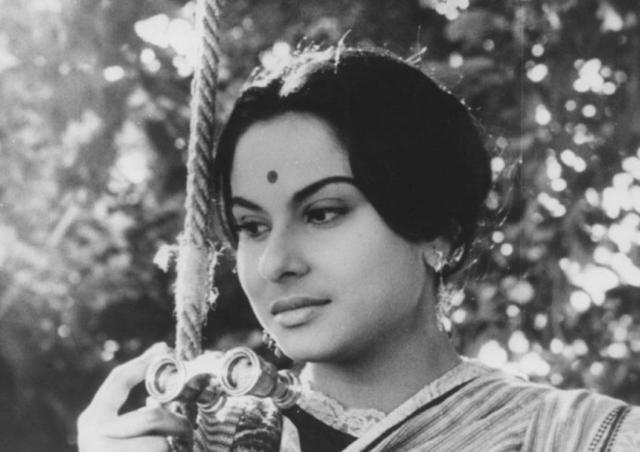
The period was created with a fine sense of detail and it was a lyrical film including the tragedy of love and betrayal of the new woman. Vijaya concludes, “The way the camera moves on her as Ray creates a feminist in pre-feminist times is amazing. It is not just a sentimental story of a woman seeking love but of her angst too as someone who knows her own worth being belittled thus. It is a film that was to pave the way for the new woman wanting a more equal relationship with a man!”
SHATRANJ KE KHILADI (1977): KAMAL TEWARI
Actor-musician Kamal Tewari describes Ray as a genius filmmaker who was instrumental in getting the Western world to appreciate Indian cinema and inspiring many serious filmmakers to tell the Indian story with a difference. Kamal says: “I was particularly taken up by two of his Hindi films Shatranj Ke Khiladi (The Chess Players) and Sadgati (Salvation). Incidentally, both were inspired by two very different short stories by the famous Hpindi writer Munshi Premchand.” Kamal’s favourite of course is the sad story of the annexation of Awadh shown through the decadence of two noblemen engrossed in the game of chess as Wajid Ali Shah is exiled, thanks to the manoeuvrings of the British East India Company officials.
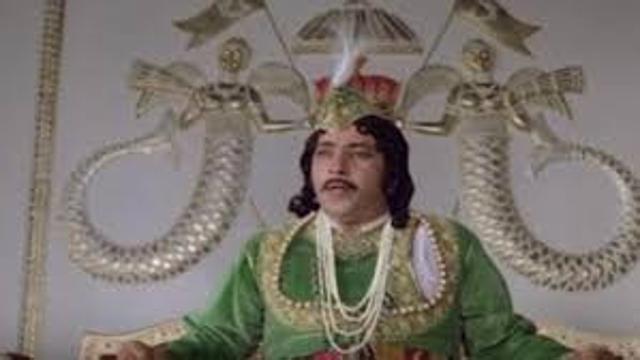
“Ray told this fictionalised historical story with great finesse, getting the best out of seasoned mainstream actors such as Sanjeev Kumar and Saeed Jaffrey with Amjad Khan giving a heart-wrenching portrayal of Nawab Wajid Ali Shah, a poet caught in harsh times leading from colonisation.”
Kamal also praises the excellent support from Shabana Azmi, Farida Jalal and Farooq Shaikh. “The Kathak mujra in the court was presented with such grace and beauty that one cannot quite forget it,” he says.


