
 E-Paper



BCCI should be a visionary, not act like small-time trade unions
India should realise that they no longer are on the margins of world cricket and instead are its rulers. If they have reasons to believe they are being ignored, or being discriminated against, there are better ways to raise their voice instead of threatening to boycott a major tournament.


Is the cricket Board turning the clock back to times when India was seen as a victim of a White-ruled international cricket body headquartered at the Lord’s in London, or is it now behaving like a peeved trade union body, flexing its muscles to safeguard its revenues?
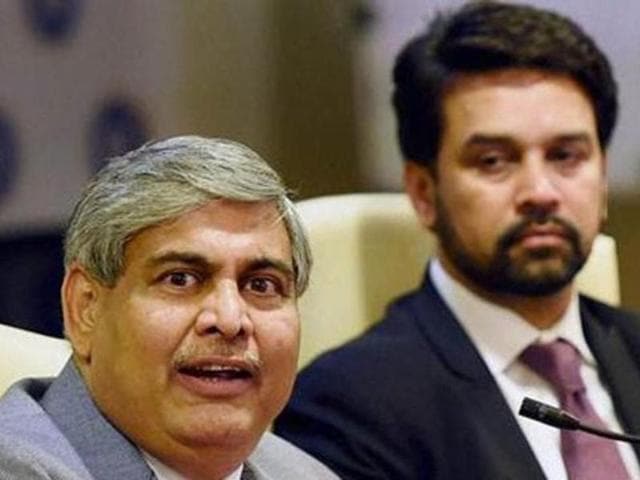
India’s threat to withdraw from the Champions Trophy because it was allotted far less money by the International Cricket Council (ICC) to organise the World T20 in India than what England is being given for organising the Champions Trophy, is a throwback to the Jagmohan Dalmiya years when India were emerging as the financial power of the game. The Board claims that they were allotted one third of the money which England has been given (upwards of $100 million) and allege discriminatory treatment despite being responsible for generating 70% of revenue for the game.
It has opened one more front and that is literally vetoing the idea of having a two-tier structure for Tests, where the top nations will fight for the world championship and those at the lower rung will have their own competition, with the winner replacing the bottom-rung team in the top tier. The ICC and even the international players’ body (FICA) feel that the two-tier idea will rejuvenate Test cricket and prevent an exodus of top players to the mushrooming T20 leagues across the world.
In fact, in their survey, they found that 72% of players say that if Test cricket is not given some context or meaning, a lot of players will seek early retirement and opt for the more lucrative T20 leagues.
To strengthen the lower league, the ICC would give Test status to teams like Afghanistan, Ireland and may be even Nepal, so that there are enough competing teams in the second rung.
India, who are joined by Bangladesh and Sri Lanka in opposing this idea, feel that this would lead to even greater neglect of the marginalised teams and television channels, fearing loss of revenues, would not support this move. The ICC has come up with a formula to support these teams financially by making an international pool where money made from selling the overseas telecasting rights of a Test series will be shared with these nations.
The Indian Board, which is already up in arms against the ICC for having overturned their earlier decision of favouring the top three (India, Australia, England) in its revenue sharing model, is against this new idea and does not want any cut in the money it makes from selling telecasting rights, at home or overseas.
What gives this whole battle an embarrassing twist is that the ICC is being headed by an Indian, Shashank Manohar, and it is he who seems to be at the forefront of giving the ICC more teeth as well as introducing new ways of saving Test cricket. Manohar, who in the aftermath of the IPL fixing controversy, was unanimously made the BCCI president and quit the post immediately after the Lodha Panel recommendations were made public, went over to the ICC to become its head.
Many see Manohar as a visionary, who has risen above the narrow national interests and wants to save Tests from extinction. India has a different view, and may even feel that he is playing narrow politics where he is disregarding his own parent body to earn brownie points from the White world. To buttress their argument, they say that no Indian is in the financial committee of the ICC, despite its financial contribution to the game. This is a justifiable grouse and lends strength to their campaign against their former president.
Whatever the truth of the matter, India should realise that they no longer are on the margins of world cricket and instead are its rulers. If they have reasons to believe they are being ignored, or being discriminated against, there are better ways to raise their voice instead of threatening to boycott a major tournament.
It does not behove them to make the loss of a small percentage of revenue at the forefront of their fight. Sagacity demands they should encourage a wider debate to find ways and means to strengthen Test cricket, even if it means loss of a few crores from their bulging profits.


