


 Live Score
 Cricket Teams
 Cricket Players
IPL 2025 auction analysis reveals money does not ensure trophy ahead of mini-auction
IPL 2025 showcased the importance of strategic purchases over big names, with teams that prioritized match control.

 Prefer HTon Google


Mini-auctions don’t rebuild names. They fix regrets. With the IPL 2026 mini-auction up tomorrow, the sharpest way to predict bidding wars is to audit what worked and what burned money after last year’s mega-auction.
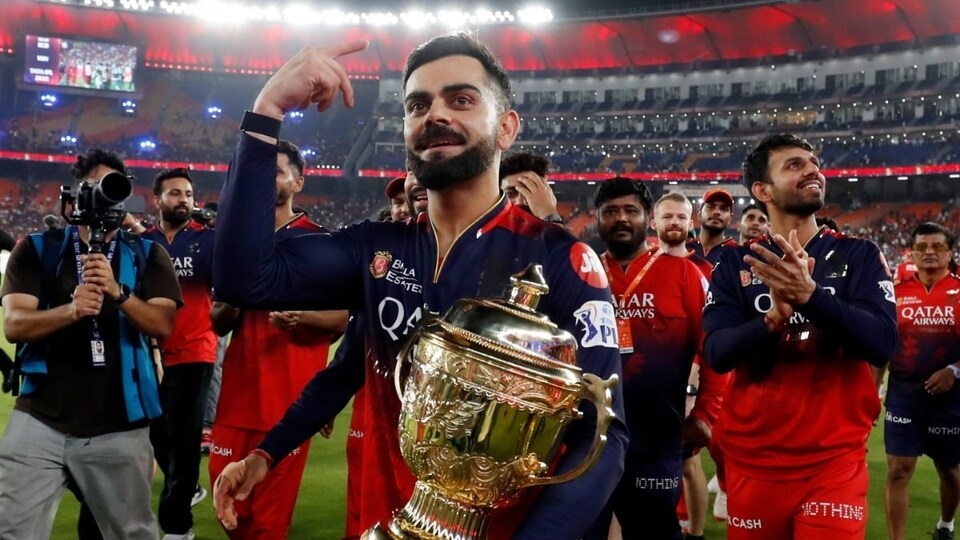
IPL 2025 delivered a simple lesson: it rewarded teams that bought repeatable match control and punished those who paid a bid for names without a stable job description.
How we judged the buys
Four levers: (1) Availability, (2) Role fit, (3) match influence, and (4) replacement cost.
The league-wide trend: wickets were the best purchase

The strongest auction to points bridge wasn’t the start batting. It was the high-leverage wickets. Prasidh Krishna (25 wickets) and Noor Ahmad (24) led the season charts; Josh Hazlewood (22 wickets in 12 innings) and Trent Boult (22) followed close behind. Their prices sat in the INR 9.5-12.5 crore band, premium, but not record-breaking. In a season where 200 became the norm, the bankable currency was ending partnerships.
RCB: bought a title-read spine
RCB’s shopping worked because every big buy came with a clear job. Hazlewood (INR 12.5 cr) delivered strike plus control, finishing among the top wicket-takers despite only 12 innings. Phil Salt gave them powerplay tempo that didn’t collapse into chaos, and Krunal Pandya’s balance purchase paid off in the biggest moment; his final-winning spell earned him the Player of the Match as RCB completed the title run. That is the auction impact: purchases that survive.
PBKS: paid big for leadership
Punjab’s headline spend was Shreyas Iyer at INR 26.75 crore, a price that demands wins. The return was tangible: match-defining unbeaten innings and a top-of-the-table finish. PBKS didn’t lift the trophy, but they converted mega-auction intent into an ecosystem: clearer roles and a captain who could take games away in the middle overs.
GT: a value that carried a top-three finish
Gujarat’s best purchase was boring the best way. Prasidh Krishna for INR 9.5 crore delivered the season’s highest wicket tally. In the mega-auction, that is a cheat code: you don’t need everything perfect if you have one of your most valued buys delivered.

MI: paid for PowerPlay wickets
Mumbai bought Boult for INR 12.5 cr because early wickets travel across venues. Boult delivered 22 scalps, and MI rode that control into the playoffs. It was not glamorous, but useful.
DC: One expensive, but that clearly worked
Delhi’s premium purchase was KL Rahul for INR 14 cr. He repaid it with volume at strong tempo. DC fell short of the top four, but Rahul wasn’t the hole. The holes were elsewhere, balance, bowling phases, and the margins teams can’t afford in a compressed league.

Where the money hurt
Lucknow’s INR 27 cr spent on Rishabh Pant was the costliest buy that never paid off. LSG never found a stable surrounding, and the purchase couldn’t convert to points.
KKR underlined a similar truth: if you pay elite money for a replicable role, you must get elite separation. When output doesn’t show, the squad build pays the price.
SRH’s premium bowling spend also shows why franchises panic in mini-auctions. If your expensive bowler leaks runs and doesn’t take enough wickets, your season becomes “outbat the problem”, a strategy that rarely survives six weeks.
The IPL 2025 conclusion
IPL 2025 wasn’t won by the loudest names. It was won by the one who brought control - wickets, phase clarity. That’s the context teams carry into tomorrow’s room. Expect overpays not for fame, but for fixes: death bowling that closes games, top-order pace that sets totals, and plug-and-play roles that don’t need a month to understand.


