


 Live Score
 Cricket Teams
 Cricket Players
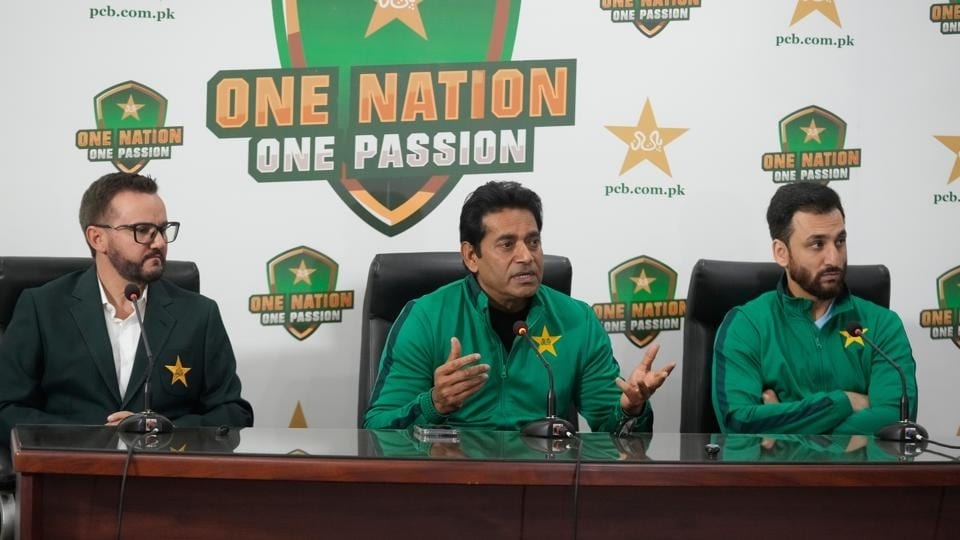
Pakistan forfeit hands India free points: PCB puts Salman Agha and his boys in danger of quick elimination
Pakistan's boycott of the India match alters Group A's qualification, giving India a head start with 2 points.

 Prefer HTon Google


Pakistan’s confirmed boycott of the India group match doesn’t just remove the marquee — it re-wires Group A’s qualification math overnight.
What happens to the points table now
In a standard tournament framework, a team that doesn’t take the field is treated as a forfeit/awarded match. That typically means:
- India get 2 points
- Pakistan get 0 points
- No batting/bowling happens, but Net Run Rate (NRR) can still be affected for the defaulting team depending on the playing-condition method used for awarded games.
So India start the group stage with what is essentially a head start, while Pakistan lose both points and margin-for-error.
Group A: what it means for qualification
Group A teams: India, Pakistan, Netherlands, Namibia, United States. Top two progress to Super 8.
India: the runway gets longer
With 2 points banked, India don’t need to chase perfection. Realistically:
- 1 win from the remaining 3 matches can keep them in a strong top-two position (depending on other results).
- 2 wins almost always seals it.
- It also changes strategy: India can focus on clean wins + NRR management, not “must-win pressure” every game.
India fixtures (Group stage):
- vs USA — Feb 7, Mumbai
- vs Namibia — Feb 12, Delhi
- vs Pakistan — Feb 15, Colombo (awarded to India due to boycott)
- vs Netherlands — Feb 18, Ahmedabad
Also Read: Pakistan announces boycott of T20 World Cup match against India; confirm tournament participation, travel to Sri Lanka
Pakistan: three matches, basically no freebies
Pakistan now have only three on-field games to collect points:
- vs Netherlands — Feb 7, Colombo
- vs USA — Feb 10, Colombo
- vs Namibia — Feb 18, Colombo
Scenarios:
- Win 3/3 (6 points): likely qualify comfortably.
- Win 2/3 (4 points): qualification becomes a tiebreaker knife-fight — NRR and results vs direct rivals suddenly matter a lot more.
- Win 1/3 (2 points): almost certainly out, because at least two other teams can reach 4+ with normal fixtures.
The big twist
This group used to have one obvious “swing match”. Now it’s more brutal and boring: Pakistan must beat the mid-tier cleanly, and India can afford to think like a tournament favourite from Day 1. In short: boycott = less drama on TV, more drama on the spreadsheet.


