
 E-Paper



‘Operation Monsoon’: Corbett Tiger Reserve to check poaching in rainy season
RK Tiwari, wildlife warden at Corbett Tiger Reserve said, “The forest department has done the required preparations for the operation which includes giving fresh stock of ammunition and rations to our men deployed in posts deep in the Reserve.”

 Prefer HTon Google


A state forest department-led patrolling season ‘Operation Monsoon’ to check poaching in the Corbett Tiger Reserve in the ongoing rainy season has started from July 1.
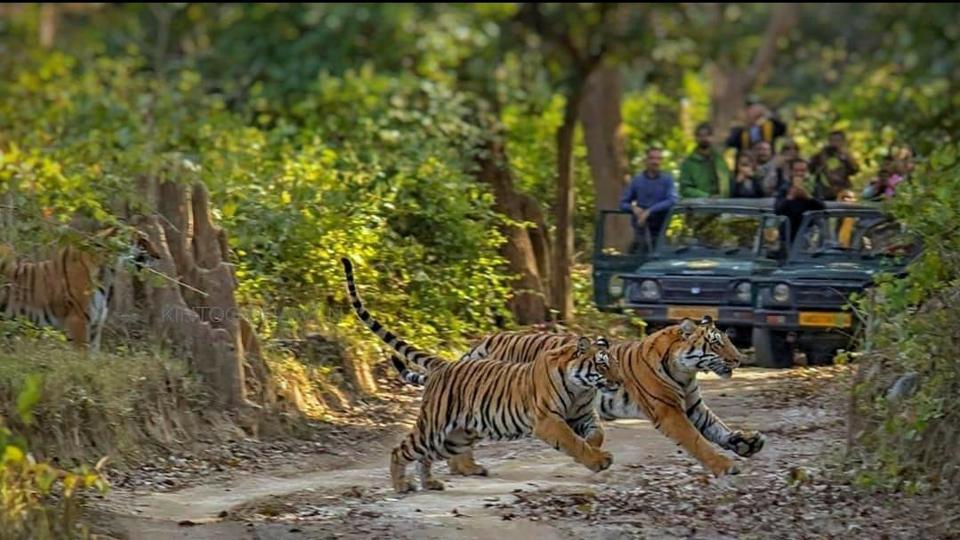
In the operation, about 700 forest department staffers are being deployed in the world famous tiger reserve for round-the-clock patrolling during the monsoon, said officials.
RK Tiwari, wildlife warden at CTR said, “The forest department has done the required preparations for the operation which includes giving fresh stock of ammunition and rations to our men deployed in posts deep in the Reserve.”
Tiwari said the patrolling season is significant considering the fact that chances of poaching increases during rainy season. The reason behind this, Tiwari said, is stated to be the ease with which poachers find it easy to enter the forest through broken pathways or waterlogged places.
He also informed that during patrolling season this year, the department would be emphasising on, “drains, rivulets and other water bodies connecting the Reserve to UP as through these water bodies possibility of UP poachers coming in CTR is more.”
“Special surveillance teams were also set up this season for surprise raids during the rainy season in CTR that is spread in an area of 1,300 sq km,” said Tiwari adding patrolling is being done on foot, elephants and All Terrain Vehicles in the CTR.
In view of monsoon being breeding season for tigers, damage of roads and safety of tourists, the NTCA in August 2015 asked tiger parks in the country to remain shut during the season. It, however, allows field directors to take a decision on their own after looking into prevailing conditions.


