E-Paper



Delhiwale: A walk down the lost landmarks in Kashmere Gate
Business, administration education, religion and history — they all come together at this ever-changing urban hub

 Prefer HTon Google


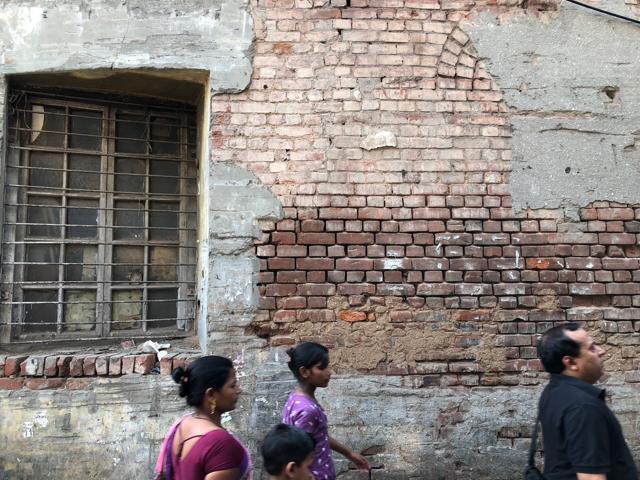
With sloping tin roofs, arched doorways, crumbling houses and a 19th century church, Kashmere Gate is one of Delhi’s most atmospheric places.
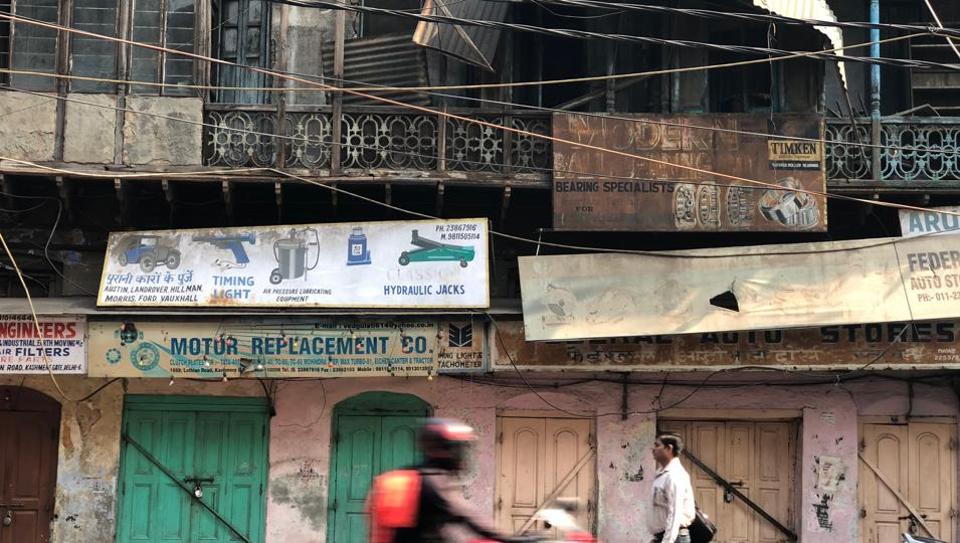
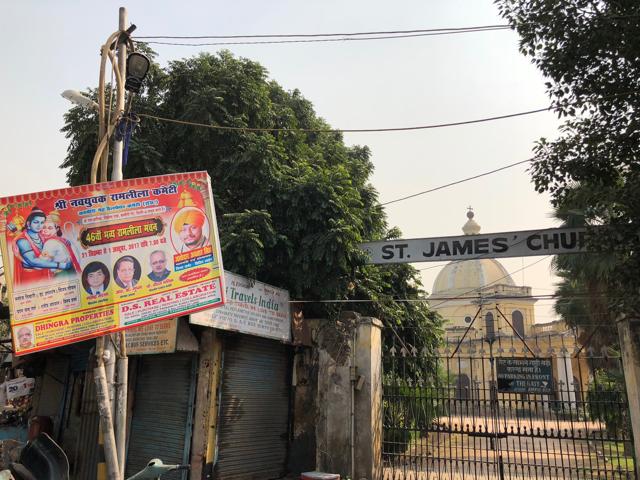
The Sunday prayers are still held at St. James, Delhi’s oldest church. Down the lane, on Lothian Road, Martin Drycleaners, circa 1947, is still there though its ailing owner opens it infrequently. Nearby, the Delhi Gun House sells ‘toy air guns’ at 5 percent discount for school students.
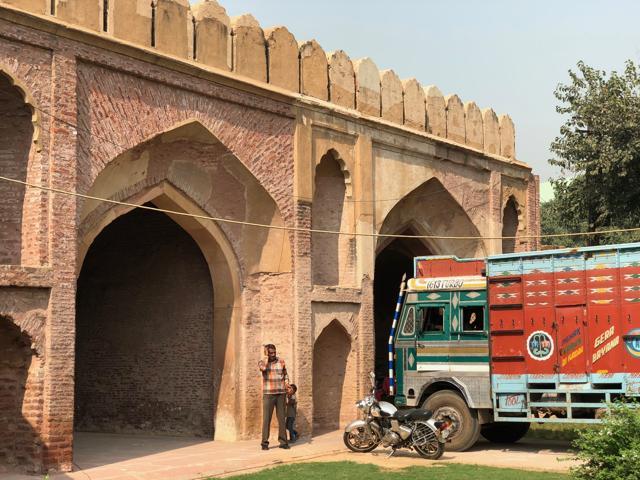
This neighbourhood takes its name from a surviving gateway of the Mughal-era city wall. The last time we were there, we saw a truck parked inside the Kashmere Gate monument.
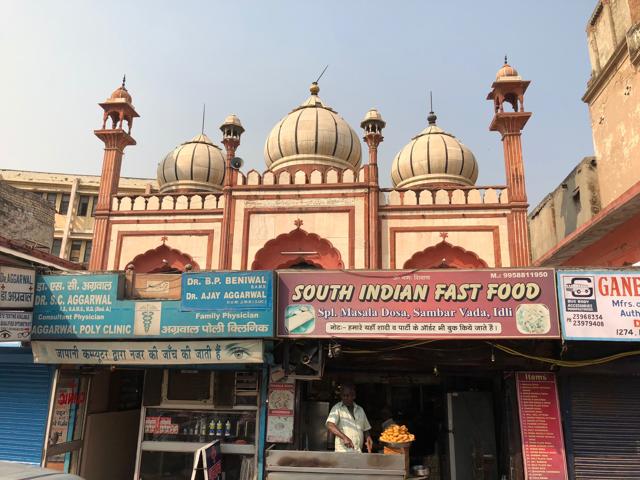
A more fascinating building is the office of the Delhi State Election Commission, which earlier used to house St Stephen’s College. Not far way, the three domes of the other-worldly Lal Masjid in Bara Bazaar catch the attention because they soar behind two tiny shacks — Aggarwal Poly Clinic and South Indian Fast Food.
Years ago, we are told, there were two famous liquor stores in Kashmere Gate: Carlton, and Spencer & Co. Each claimed that their beer was more chilled. Carlton has been replaced by a departmental store and Spencer & Co. by a branch of Central Bank.
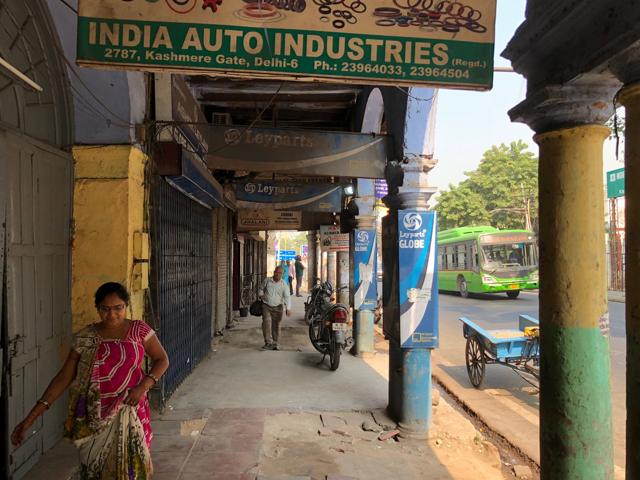
Next to Martin Drycleaners is an extinct landmark. Before Independence, it was the famous Mirabelle restaurant. In 1947, the new owners — Partition refugees from Pakistan — renamed it Khyber. The restaurant became so popular for its non-vegetarian cuisine that people would come from across Delhi (it was a rage with the embassy crowd). Khyber declined gradually — from teak cabinets to plastic flowers — before it shut shop in 2006.
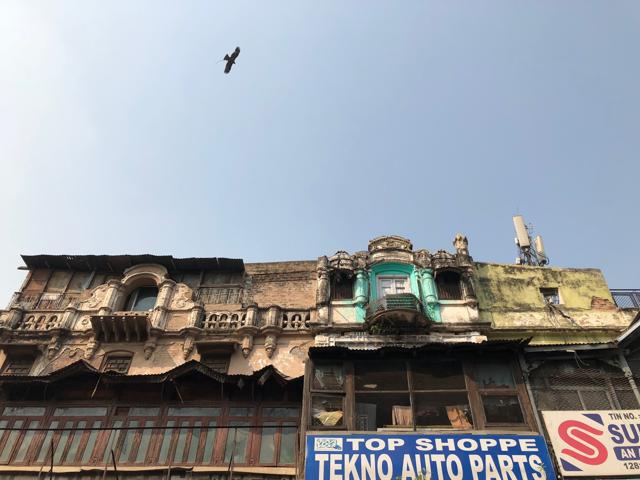
The fate of Mittan Lal Halwai was more unexpected. The mithai store was known for its lassi (at noon) and doodh (in the evening). The founder’s sons exited the mithai trade and started selling spare car parts.
Of course, a living city never stays constant but nowhere do we feel it as intensely as at Kashmere Gate.