
 E-Paper



Delhiwale: The love life of Ghalib street
Ghalib Street begins at Lodhi Road and ends a few hundred metres further south at the marble tomb of Mirza Ghalib, the great 19th century Urdu poet.


While Mirza Ghalib has been dead for over a century, his poetic landscape lives on in the iambic pentameter of the crowds on Ghalib Street. The central Delhi lane, however, finds its true essence in the life of its two dwellers—Seema and Nasir Nabi. Theirs is a tale of long-time romance, still unfolding, and forever in bloom.
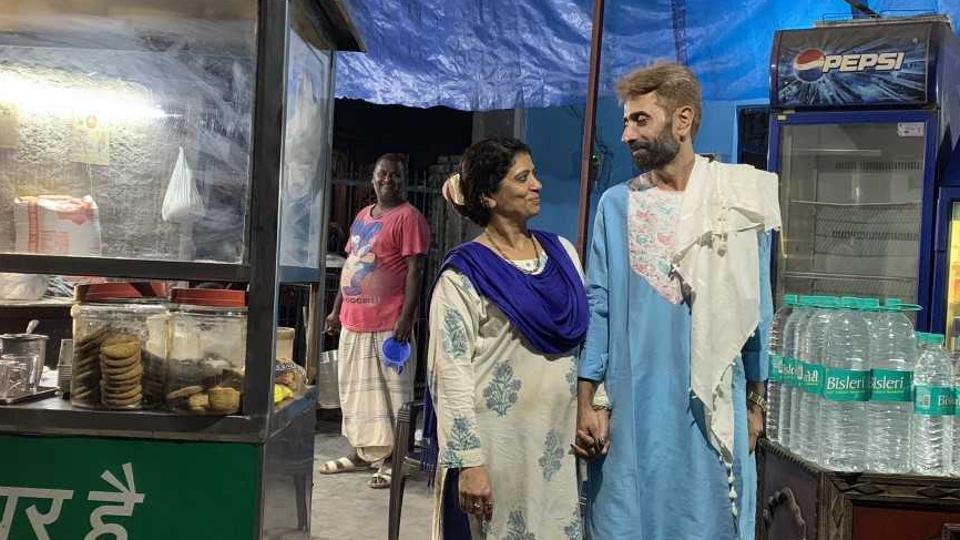
The middle-aged couple run a snacks stall on Ghalib Street. Seema says, “We had a love marriage.” The man and the woman lovingly hold each other’s hand while posing for a photo. It’s an unusual sight, for this is a part of Delhi where you usually don’t see a couple so openly flaunting their romantic vibes.
Ghalib Street begins at Lodhi Road and ends a few hundred metres further south at the marble tomb of Mirza Ghalib, the great 19th century Urdu poet. The lane is tucked within an urban village best known for the tomb of Sufi saint Hazrat Nizamuddin Auliya. The street abuts two monuments: Lal Mahal was erected during the early years of the Slave dynasty, while the Lodhi-era Barakhamba monument looks ethereally desolate in moonlit nights.
The street’s various landmarks are like a poet’s couplets, each permeated with a dreamy mood.
Super Looks Hair-Cutting Saloon looks out on to a dilapidated ruin. The tables outside Ghalib Kabab Corner are laid out on the pavement, as in a Parisian café. It is packed with diners wanting a taste of the city’s authentic cuisine—almost all asking for the famous shammis. Next door is the rustic-looking Husseini Hotel. The street-facing counter is stacked with old-style cauldrons filled with nihari, korma and dal.
The gradual gentrification of Ghalib Street has not compromised its authenticity—so far. Maybe because it still shelters places who give a hyperlocal character to its social ecosystem.
Take the pavement stand of barber Tasleem Abbasi. A stone’s throw away from Ghalib’s mausoleum, it is an institution that would perhaps only be noticed when it disappears from the face of earth. Every day, groups of people sit around Mr Abbasi’s 22-year-old stall. Gossip novelist Jane Austen would have found their conversations useful. Many regulars have acquired nicknames. Mohammed Mustaqeem, a biryani seller, is known as Sotu Ram (Sleeping Ram) because he takes a regular nap at the stall.
And then there are always the street’s aforementioned love birds. You have to stop by Seema and Nasir Nabi’s stall for a cup of chai or may be a glass of sweet creamy lassi. There are parathas and instant noodles, too. Sitting in his stall, Mr Nabi says that the romance between him and his wife “hasn’t gone even a bit stale” since their marriage in 1987. He says proudly that Seema works as much as him in running the eatery. And the household chores are also shared equally between them. Seema looks at her husband with a kind thoughtful gaze, the way nature lovers watch a sunrise or sunset.
Somewhere Ghalib must be feeling super happy.


