
 E-Paper



Akhilesh can’t, Mayawati could
When Akhilesh Yadav at the age of 38 became the country’s youngest chief minister in March 2012, many hoped Uttar Pradesh, one of India’s worst-governed states, would improve.


When Akhilesh Yadav at the age of 38 became the country’s youngest chief minister in March 2012, many hoped Uttar Pradesh, one of India’s worst-governed states, would improve.
That hope vanished soon. Now, with 35 people killed in Muzaffarnagar and five other districts of western UP in the past four days in the worst communal riots in the state in more than two decades — and one of the worst in India after Gujarat 2002 — Akhilesh appears to be a failure.
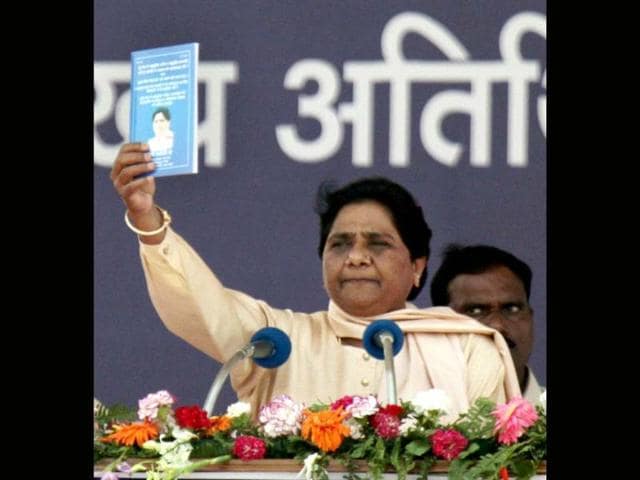
The signals from UP have been ominous for at least the past six months. These pages had flagged the deepening social divide in the state on May 4 and then again on August 12, when we analysed similar signals in neighbouring Bihar. This was a riot foretold — but still the state machinery failed miserably to quell it. In the same state, with the same police, in the previous five years under BSP chief Mayawati, not a single riot took place.
So, how could Mayawati do it? And why can’t Akhilesh? HT put this question to several officers who have worked in both regimes. These are the takeaways:
Clarity vs Confusion
Mayawati never left any confusion about what she expected of her officers. Her cabinet secretary, Shashank Shekhar Singh, was the single contact point between her and the official machinery. Officials who sought clarity on any issue would get clear, straight directions by the end of the day or by the next morning.
In contrast, the Akhilesh government sends out at least four contradictory signals to the bureaucracy, an official said. These signals come from the CM’s office, from his father and SP chief Mulayam Singh Yadav, from his uncle, Shivpal Yadav, and from senior minister Azam Khan.

Of these, Mulayam’s interventions are the most counterproductive as many officials still consider the father as the boss. Akhilesh himself has been lamenting about it. All told, the CM’s writ does not run in UP as it did when Mayawati was at the helm.
One power centre vs multiple authorities
Akhilesh has distributed appointing powers to SP leaders who select personal loyalists. Mayawati only outlined the broad contours regarding the caste composition of her bureaucracy and police, which was implemented by the chief secretary and police chief. The accountability rested with these two, who were free to replace officials as long as they remained within the CM’s broad guidelines.
In contrast, “of the 1,500-odd police stations in the state, at least 800 are headed by people recommended by local SP leaders. Practically, they are not under the control of the district superintendents of police, who in many cases are themselves appointed by SP leaders,” a senior officer told HT.
Party discipline
Mayawati imposed discipline in her party with an iron hand. No BSP leader dared to interfere in the functioning of even a police station and their genuine grievances were addressed through proper channels. In contrast, SP workers are running amok across the state’s police stations and government offices with total impunity.
Mayawati was guided by a social agenda. Perhaps Akhilesh lacks it.
Stay updated with all top Cities including, Bengaluru, Delhi, Mumbai and more across India. Stay informed on the latest happenings in World News along with Delhi Election 2025 and Delhi Election Result 2025 Live, New Delhi Election Result Live, Kalkaji Election Result Live at Hindustan Times.


