
 E-Paper



Build winter shelters for the homeless
States need to follow the central policy and SC guidelines on dignified and well-equipped shelters for the homeless in letter and spirit

 Prefer HTon Google


The India Meteorological Department on Saturday said that the northern part of the country is in the grip of cold to severe cold waves, and such conditions will continue till December 21. The sharp fall in temperature is due to snowfall in Uttarakhand, Himachal Pradesh, and Jammu and Kashmir.
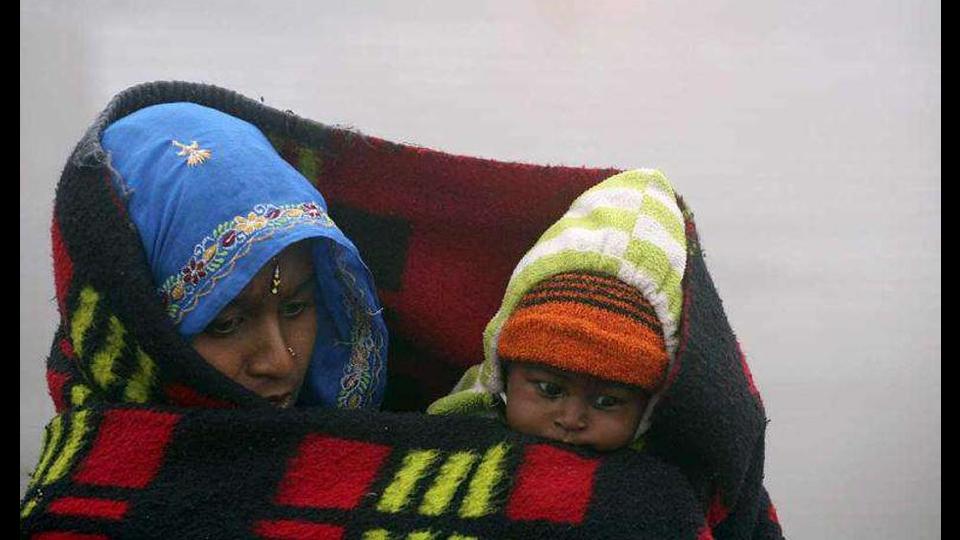
Such bitter winters pose a tough survival challenge for those who do not have a roof over their heads and adequate clothing.
In November, the Delhi government announced a winter action plan (operational from November 7 to March 15) to protect the homeless from the cold. It promised to set up an additional 250 temporary homes to cater to 2, 000 people; at present, the city has 206 shelters with a capacity to hold 7, 092 people. These shelters are equipped with mattresses, blankets, lockers, TVs, and bathing and toilet facilities. However, snap reviews of the facilities by NGOs and the National Human Rights Commission have revealed shortcomings: One, the number of shelters is not in proportion to the homeless population; most get filled up by 8 pm; many people don’t know about the nearest shelters, and several shelters are in a bad shape. Despite these shortcomings, which the Delhi government needs to address, the Capital has a robust network of shelters, the most in any city in India.
Almost in every city in India, homeless citizens have remained more or less neglected by governments. There is a central plan ,the National Urban Livelihood Mission-Shelter for Urban Homeless, for providing safe, decent, and secure covered space. Under Supreme Court guidelines, all state and local governments are legally bound to build dignified permanent shelters for the urban homeless in sufficient numbers and with appropriate facilities. But there is not much change on the ground because of a lack of initiative by state and local governments. States need to follow the central policy and SC guidelines in letter and spirit.


