
 E-Paper



Climate vagaries will shape food security
Experts from the Indian Institute of Tropical Meteorology warned that extreme weather events that were driven by the climate crisis could pose a risk to food security.

 Prefer HTon Google


This year has seen the impact of the climate crisis on agriculture, crop production patterns and consequently, food security, hit home. An unseasonal heatwave in the spring shrivelled the wheat crop in north India and trimmed yields, with ramification for national politics, global geopolitics, and inflation. Then, uneven monsoon distribution in central and eastern India hurt the rice crop with long periods of little or no rainfall, followed by short bursts of showers, wreaking havoc on sowing and harvesting patterns. At a time when the government is continuing to support roughly 800 million citizens with guaranteed supplies of grains, and supply chains remain disrupted due to the Ukraine war, such disturbances pose a threat not only to food security but also national security.
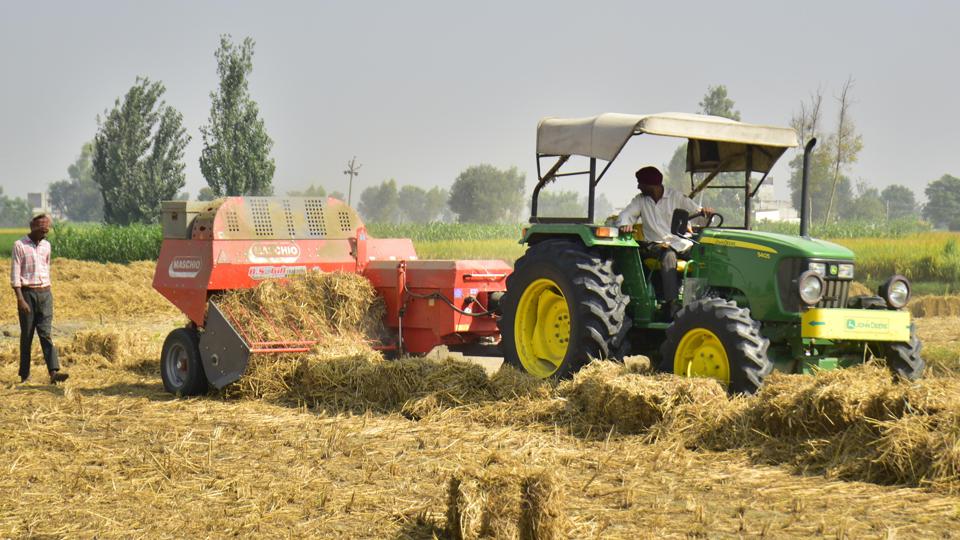
This week, scientists added further evidence to back this hypothesis. Experts from the Indian Institute of Tropical Meteorology warned that extreme weather events that were driven by the climate crisis could pose a risk to food security. The International Food Policy Research Institute’s 2022 Global Food Policy Report suggested that the climate crisis may push many Indians into famine by 2030 by crimping farm productivity and disrupting the food-supply chain. Experts from the Indian Council of Agricultural Research said nearly a third of the land under wheat cultivation was prone to heat stress, underlining the exposure of India’s agriculture to the vagaries of weather patterns.
All this reinforces the wisdom that the problems posed by the climate crisis need to be tackled both nationally and internationally. The government will need to invest in better, more sensitive forecasting systems that can generate robust data, and safeguard cultivators from sudden shocks. Internationally, mechanisms for climate finance will also need to take into account the impact on food and crop production, and respond with funds and technology.


