
 E-Paper



India must build its heat resilience now
All states must follow their local plans and review their development plans, push for thermally comfortable housing and ensure that cities and towns don’t become heat deaths traps.

 Prefer HTon Google


Delhi recorded its warmest day of 2022 on Sunday, with temperatures soaring to 38.3 degrees Celsius — eight degrees above normal for this time of the year. Blaming the lack of rainfall, the India Meteorological Department (IMD) warned that the mercury is expected to stay between 35 and 38 degrees or higher for seven days. Other parts of the north-western plains and coastal areas also faced searing heat last week. According to IMD’s temperature dataset, the average maximum temperature across India in the March 1-15 period this year is 31 degrees Celsius. This is 0.7 degrees, or 2.3%, above normal. And it has become hotter since.
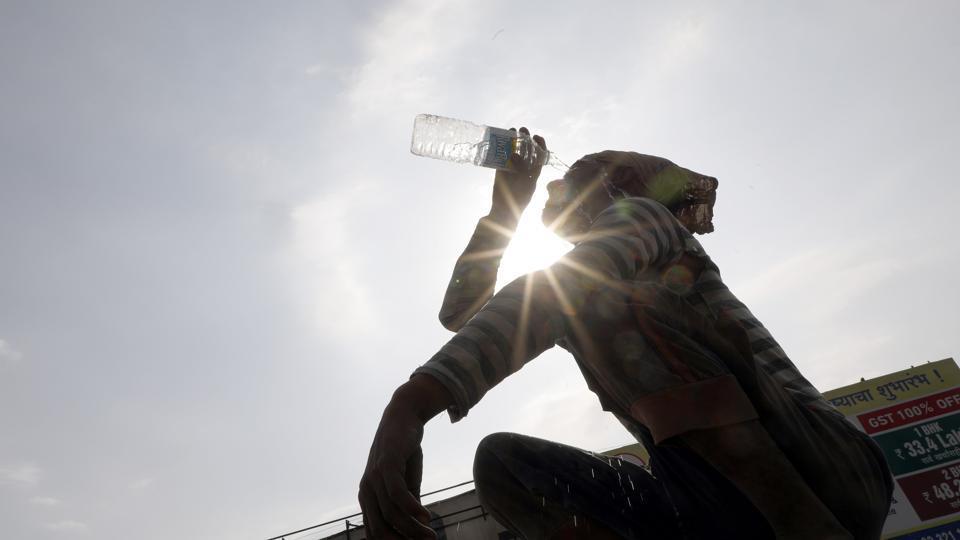
The Intergovernmental Panel on Climate Change report in February warned that all Indian states will have regions that experience wet-bulb temperatures up to 30°C or more. A wet-bulb temperature — a measure that combines heat and humidity — of 31°C is hazardous. This will have severe implications: It will disturb cropping patterns, livestock health, and crimp the productivity of farmers, labourers and factory workers. India has already shown the largest heat exposure impacts on heavy labour (more than 101 billion hours lost per year).
India has had a Heat Action Plan since 2016, which focuses on community outreach and early warning systems, capacity-building of health care workers, and addressing vulnerable groups. To build heat resilience, all states must follow their local plans. But this is not happening. States also need to review their development plans, push for thermally comfortable housing and ensure that cities and towns don’t become heat deaths traps, invest in green and blue infrastructure, and decarbonise the transportation sector. The poorest and the most vulnerable will be hit the hardest. Governments must do more.


