
 E-Paper



Let science drive decisions
On May 13, India announced that the second doses of Covishield — the mainstay of the coronavirus vaccination programme — should be given 12 to 16 weeks after the first


On May 13, India announced that the second doses of Covishield — the mainstay of the coronavirus vaccination programme — should be given 12 to 16 weeks after the first. The decision cited data from the United Kingdom (UK), where it was seen that the vaccine triggered more antibodies in people when second shots were given up to 12 weeks later. In fact, the UK was the first country to experiment with an expanded dosing schedule, drawing criticism from several western scientific bodies that said the approach was untested. On May 15, it cited emerging clues about the B.1.617 variants, which originated in India, to reduce the gap – less than two days after the announcement in India.
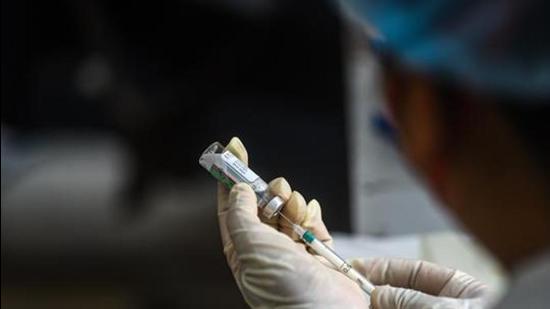
Minute but significant nuances of how the coronavirus vaccines work are slowly being understood. The science is evolving, and so must the strategies. However, authorities must ensure the messaging does not betray a sense of inconsistency — the likelihood of this rises if advisories are changed frequently, as has been the case with India’s dosing ones. Shortly after the UK expanded the gap in January, Indian officials first stood their ground to keep a short gap of 4-6 weeks. Two months later, India adopted a 6-8 week delay, although it was still inconsistent with UK’s 12-week gap. India now recommends that people wait three months if they had Covid-19 to get a vaccine shot – an embargo that neither the UK nor the United States follow.


