
 E-Paper



No normalising jail without trial
Pre-trial detention for long periods without any conviction, as in the case of some Delhi riots accused, risks unacceptable delaying of justice

 Prefer HTon Google


A disquieting mix of stringent legal provisions, judicial deferments and scuttled hearings have kept some people accused in connection with the 2020 Delhi riots behind bars for the better part of five years. That detention is set to get longer after the Delhi high court denied bail to student activists Sharjeel Imam, Umar Khalid, Gulfisha Fatima, Khalid Saifi, Athar Khan, Mohd Saleem Khan, Shifa-ur-Rehman, Meeran Haider, and Shadab Ahmed, holding that their roles appeared “prima facie grave”.
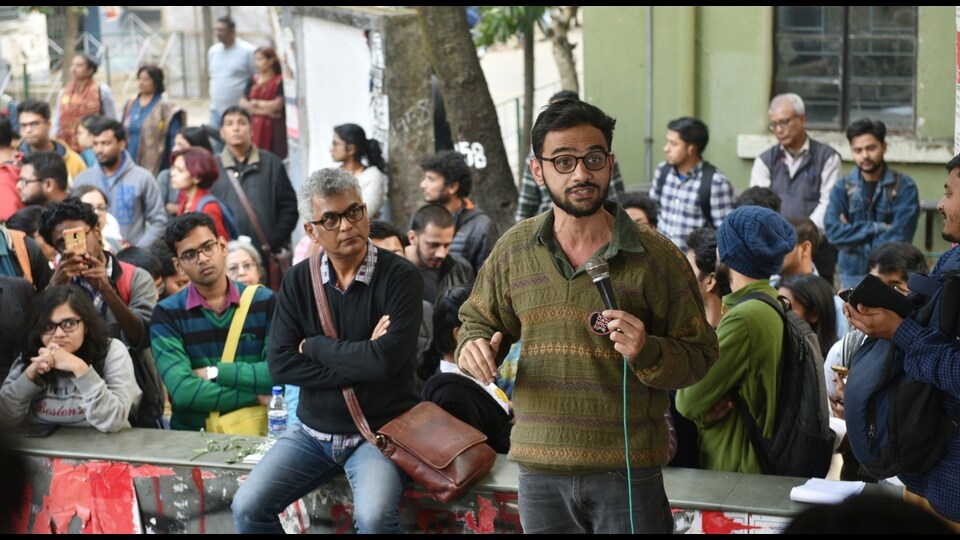
In its 133-page judgment, the court ruled it didn’t matter if Khalid or Imam were not present when violence broke out, held that it couldn’t be said that the evidence was weak, and said both made speeches meant to instigate the Muslim community. Importantly, it noted that the “bail is rule and jail is exception” guideline depended on the facts and circumstances under a special statute such as the Unlawful Activities Prevention Act (UAPA), which ordinarily makes bail very difficult. It also said that the trial was progressing at a natural pace.
Terrorism or inciting violence cannot be condoned. Grave charges have been levelled against the student activists. But the judiciary should not allow prosecuting agencies to use stringent provisions to keep people jailed, while not proceeding towards a trial. In the case of Imam, Khalid and others, five (or more) years have elapsed since their incarceration, giving enough time to the police to collect and present evidence. The interminable delay in the trial, as well the repeated adjournments and deferments in hearings of petitions filed by the accused, is jarring and runs contrary to the top court’s championing of personal liberty. The top court has spoken eloquently about the dangers of agencies weaponising statutes such as the UAPA to incarcerate individuals. Moreover, in cases involving the Delhi riots, lower and constitutional courts have repeatedly rapped probe agencies for shoddy work and flimsy evidence.
In cases granting bail to some of Imam and Khalid’s co-accused, the courts have also found the prosecution wanting. If the police’s position is that these nine people were central to fomenting violence that killed 53 people, it must make its case in court within a reasonable timeline. But pre-trial detention for long periods without any conviction cannot be permitted to become the norm. Adages seldom are true, but in this case, justice delayed is in danger of becoming justice denied — both for the accused as well as the victims.


