
 E-Paper



Protect LGBT people from violence, bias
This week, Tamil Nadu became the first state in India to put a specific provision in the law governing its police force, barring any harassment of LGBTQIA+ communities, or members of organisations working for their welfare

 Prefer HTon Google


On May 1, 2006, transwoman Pandian was arrested by Chennai Police on suspected theft charges. She received bail two weeks later, but the police continued to hound her – a constable would pick her up at 8am everyday and only allow her to go back at 11am. She was tortured and sexually harassed at the station, and when her family members tried to intervene, her mother was beaten up. In June that year, unable to bear the humiliation, Pandian doused herself in kerosene and immolated herself. A year later, the Madras high court (HC) punished the errant policemen and ordered compensation for the family, confirming that she was indeed tortured in custody.
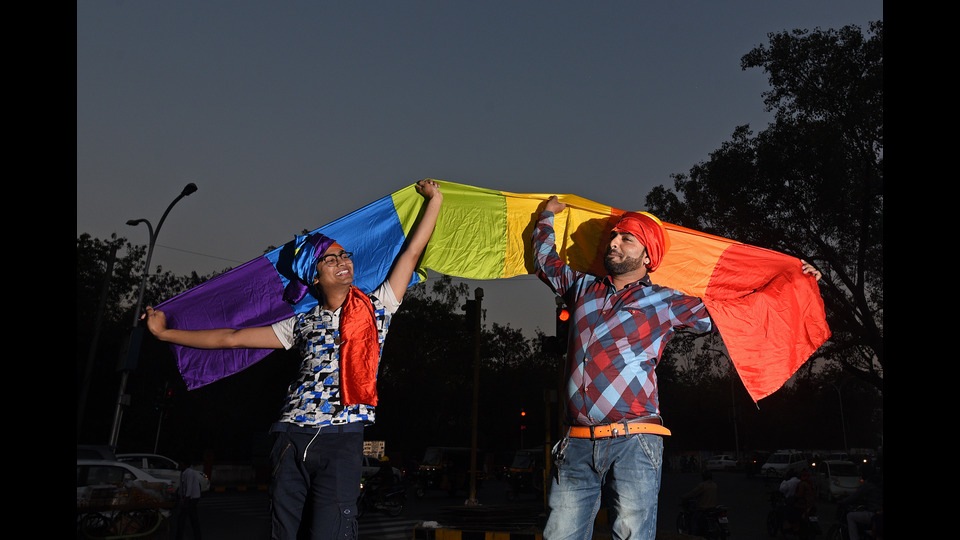
This week, Tamil Nadu took a step towards preventing such tragedies in the future. It became the first state in India to put a specific provision in the law governing its police force barring any harassment of LGBTQIA+ (lesbian, gay, bisexual, transgender, queer, intersex and asexual) communities, or members of organisations working for their welfare. The provision, which came after orders from the Madras HC, is aimed at raising awareness about the marginalised communities among law enforcement personnel.
India has decriminalised homosexuality, confirmed the rights of transpersons and enacted a law for their welfare, but social and official acceptance of these communities remains indifferent. Parents and families continue to discriminate against queer folk, forcing many to run away from home and approach the courts for protection. Unfortunately, law enforcement is often weaponised against these communities, and the threat of custodial violence prevents them from approaching the police. If implemented in letter and spirit, the new provision can help these communities access legal protections and their constitutional rights, and seek remedies when discriminated against in the home, at work, or in public spaces. Other states must consider doing the same.


