
 E-Paper



Pursuing probity in public life
In a polarised political landscape, a consensus on Bills to unseat jailed ministers is difficult

 Prefer HTon Google


That the Congress, Trinamool Congress, Samajwadi Party, Aam Aadmi Party, and Shiv Sena (UBT) have refused to join the proposed joint parliamentary committee (JPC) to look into three bills seeking the removal of ministers accused of serious crimes who have spent at least 30 days in jail does not come as a surprise. The Opposition opposed the bills when the government introduced them in Parliament in the just concluded monsoon session. Since one of the bills needs a constitutional amendment, the government requires a section of the Opposition in Parliament to support it. The JPC was a step towards building a consensus in favour of the bills.
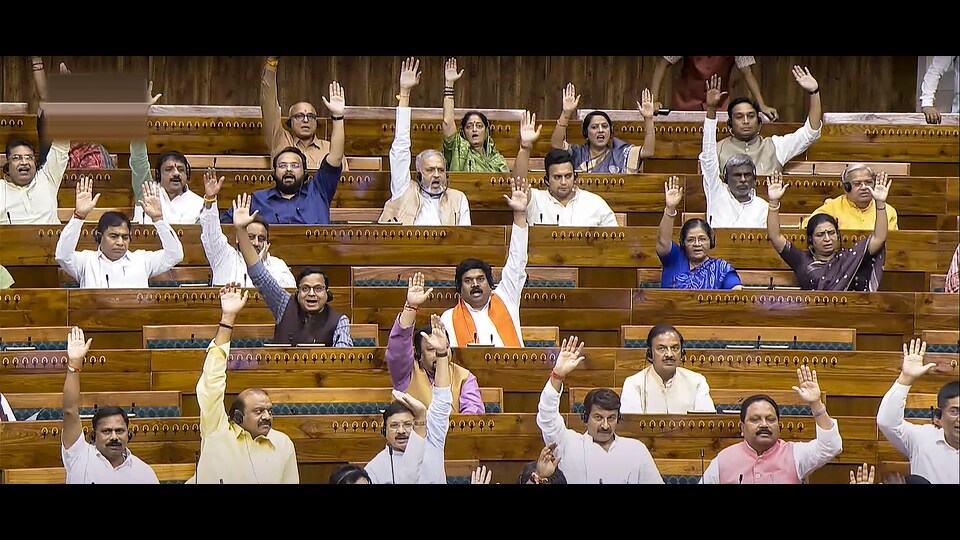
No one can disagree with the intent to raise ethical standards in public life, but recent political history has stoked the fear that the bills, if turned into law, may end up as tools to destabilise governments led by non-NDA parties. As this newspaper wrote last week, “in an ideal State with robust institutions and apolitical investigation agencies,” such a law may be welcome. In the current polarised climate, it is perceived as a move in bad faith.
As per a report by the Association for Democratic Reforms, 12 of the 30 chief ministers, a majority of them belonging to non-NDA outfits, have declared serious criminal cases, including cases related to attempt to murder, kidnapping, bribery, and criminal intimidation, against them. The non-NDA parties allege that investigating agencies are partisan, accusing the latter of foisting cases on them at the behest of the Centre. This is also the justification for their refusal to quit office when arrested by the CBI or the Enforcement Directorate in corruption cases. The government, for its part, has already declared that the bill is driven by a desire to ensure probity in public life, and that the Opposition needs to explain to people why it doesn’t want this. In light of such high mistrust prevailing in Opposition parties, a bipartisan JPC is a hard ask. A workable plan will be to ensure early closure in corruption cases involving ministers and sitting legislators. The Supreme Court has for long asked for fast-track courts to settle these cases — some courts are now functional, but many more are needed. Such a mechanism will ensure that the first principle of justice, which is innocent until proven guilty, is respected, and due process is adhered to. Currently, cases drag endlessly, helping nobody. The battle against corruption or to enforce accountability in public life has to go beyond political gamesmanship.


