
 E-Paper



Rare earths: Why a rules-based framework is needed
National missions on rare earths and critical minerals are also needed to avoid being at the mercy of an OPEC-like cartel

 Prefer HTon Google


US President Donald Trump has threatened to impose 100% additional tariffs on China after the latter tightened export controls on rare earth minerals that are essential to the production of a range of goods, across areas of utility — from daily consumption to frontier technology. Beyond Trump’s mercurial trade pronouncements, the larger issue here is how countries leverage their rare earth and critical mineral deposits and the need for institutionalising a global regulatory framework for their supply. The retreat of consensus-building and multilateralism from global governance that the world is seeing currently makes this task particularly difficult. But given the foundational impact of these minerals in energy transition (key to the planet’s climate future), AI and quantum computing, the global community can’t afford to leave supply to the discretion of political dispensations in reserve-owning countries or, worse, allow cartelisation.
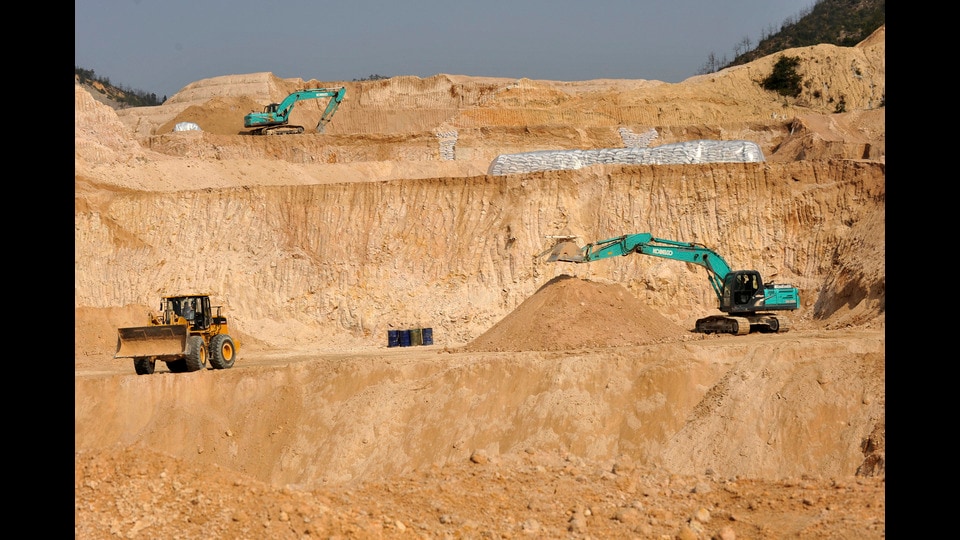
The Chinese controls illustrate the problem. The country accounts for 61% of global rare earth production and 92% of their processing, giving it near-total control over supply till the time other potential sources are explored, developed, and integrated into the global supply chain. Beijing’s new controls go far beyond curbing mere shipment of the minerals— they severely restrict access to technologies involved in their exploration, mining, and refining. Also, it is moving aggressively to invest in reserve-holding geographies elsewhere. This gives China an advantage on two fronts. One, it can decide the pace and quantum of supply as well as the widening of the supply market, with monopolistic leverage on pricing, supply terms, and, as its earlier talks with the US have shown, in trade talks with hard-nosed, extractionist regimes. Two, the lead this gives China in the technology race against the US could be pivotal in its evolution as a global hegemon.
Such overwhelming influence calls for global regulation, but hoping for this would be futile. There is a need to avoid OPEC-style cartelisation (in oil and gas) in the space, but it is not clear whether this will happen. The imperative for the demand side is clear. To illustrate, China’s curbs could slow India’s EV plans, clean energy expansion, and defence manufacturing. Against this backdrop, countries (including India) should use multilateral forums such as COP30 in Brazil to build the momentum for a rules-based architecture for critical and rare earth minerals. And they should launch missions to prospect for and tap these resources within their boundaries, forge partnerships with countries possessing untapped deposits, and identify alternatives.


