
 E-Paper



Sentencing must be fair
The apex court’s decision to establish clear rules to award the death penalty is welcome

 Prefer HTon Google


In 1980, the Supreme Court (SC) confirmed the death penalty awarded to Bachan Singh for brutally murdering his relatives, ruling that it didn’t violate the Constitution. In the same verdict, the apex court also noted that a set of aggravating and mitigating circumstances concerning the crime and the accused may guide the judge while awarding the death penalty and created the “rarest of rare” doctrine. Unfortunately, in the four decades that followed, this framework got mired in arbitrariness, confusion and the conviction-centred approach of the prosecution. An analysis by Project 39A of Delhi’s National Law University of death penalty cases between 2000 and 2015 in Delhi, Maharashtra and Madhya Pradesh found that trial courts largely relied on aggravating circumstances to fix sentencing, and in 51% of cases, mitigating circumstances were not considered.
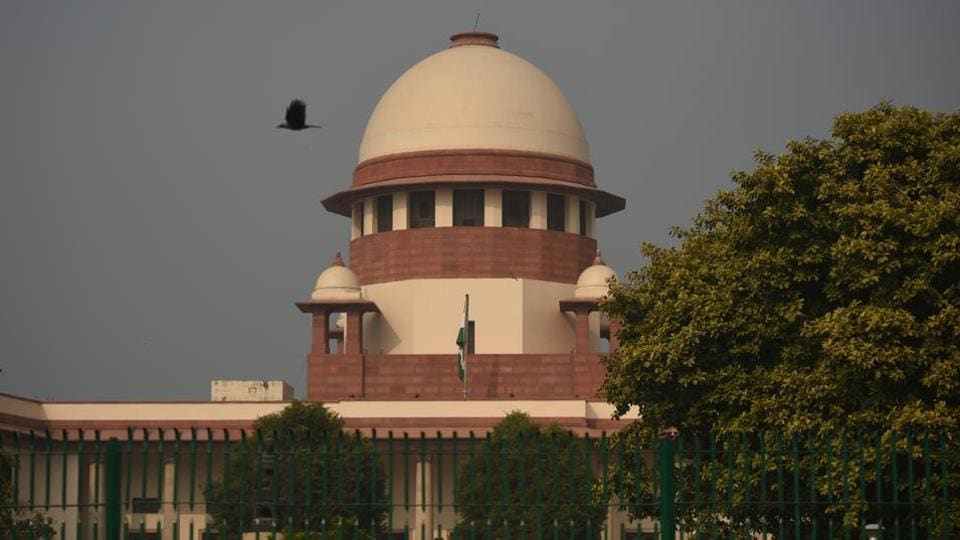
On Monday, the SC took an important step towards correcting this problem by calling for a Constitution Bench to lay down guidelines on how to provide a “real and meaningful” hearing to a convict before awarding capital punishment. The bench, led by Chief Justice of India UU Lalit, said clarity was needed given the differences of opinion reflected in some three-judge bench decisions on the time required to bring on record mitigating circumstances before the quantum of punishment is pronounced.
Such clarity is urgently needed, especially on three aspects. The first is same-day sentencing. Unlike some other countries, same-day sentencing is an established norm in India, and so the bench will need to decide whether this provides enough time to consider all relevant mitigating factors. The second will be on the collection of this information. The bench will need to see whether it should be mandatory for trial courts to bring on record all mitigating circumstances so that this is not left for the appeal stage. Currently, trial courts do not require reports from jail authorities, reform committees, and external mental health experts and psychologists before sentencing, and proceedings are focused on proving the crime. And third, the bench will need to see whether a broader change in mindset can be effected, especially of prosecuting agencies that seek the maximum punishment (for example, in Madhya Pradesh, where until this year, prosecutors were incentivised based on the number of death penalties they secured). Research shows that many death row convicts hail from marginalised communities or poor backgrounds. They deserve a clear, fair, and just system of adjudication, especially in matters as irreversible as death.


