
 E-Paper



The big picture on fuel taxation
Only an open and honest discussion between the Centre and the states can resolve the issue

 Prefer HTon Google


Prime minister (PM) Narendra Modi’s remarks on April 27, where he named some non-Bharatiya Janata Party (BJP) ruled states and asked them to bring down taxes on petrol-diesel have expectedly created a political controversy. To be sure, the PM is actually correct. Data from the ministry of petroleum shows that most BJP ruled states seem to have a lower tax on petrol and diesel than the states Mr Modi named in his remarks. However, the complete picture on the taxation of petroleum products is far more complicated. At least four factors must be kept in mind.
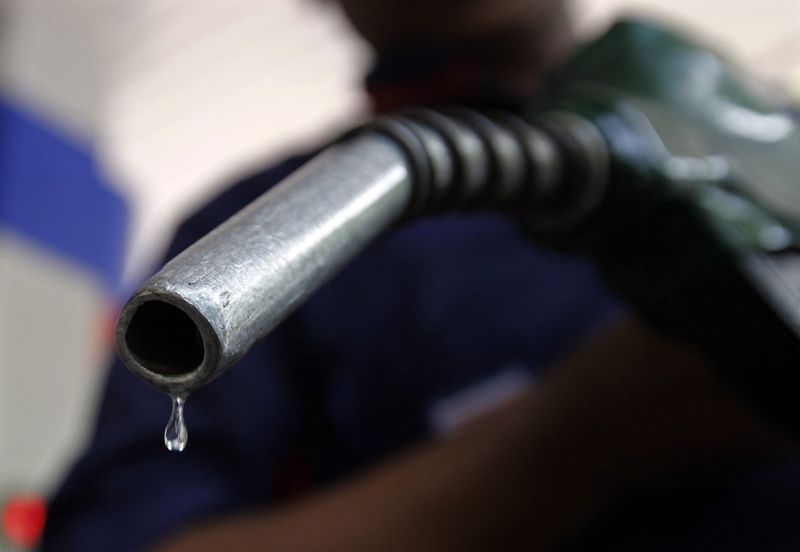
Value-added tax on fossil fuels is the only major source of own tax revenue for the states along with taxes on alcoholic beverages and stamp duties after the rollout of the Goods and Services Tax (GST). With state finances already stretched, letting go of revenues from this route is not an easy choice. This is the biggest reason why petroleum products were kept out of GST. However, the economic burden due to higher taxes is real. Although the Centre did cut Union excise duties on petrol-diesel in November 2021, it has still not fully revoked the hike in duties which was brought in after the pandemic. Large parts of this windfall tax gain came via the special duty route and have not been shared with the states. Because most state taxes on petrol/diesel are levied as a share of the basic price, they go up or down every time the base price increases or decreases. Central taxes are mostly immune to such price-based fluctuations. Last but not the least, the fossil fuel market in India is only partially deregulated despite official claims to the contrary. This is best seen in price freezes ahead of election cycles. Such policies also add an element of volatility to the tax collections of states.
These four factors make it clear that it is difficult for either the Centre or the states to claim the moral high ground. Also, it would be naive to see the issue without the larger context of the brewing political economy crisis in fiscal federalism, where non-BJP-ruled states are increasingly resorting to unsustainable populist schemes to counter the BJP’s centralised welfare delivery narrative (including in areas that are in the state list). An amicable resolution of these issues calls for an earnest effort to build an honest discussion at a proper Centre-state forum. Throwing polemics at the problem will only worsen the trust deficit between the Centre and the states.


