
 E-Paper



The high cost of spurious liquor
The death of 70 people in Bihar shows major gaps in policy and health checks. Fix it now

 Prefer HTon Google


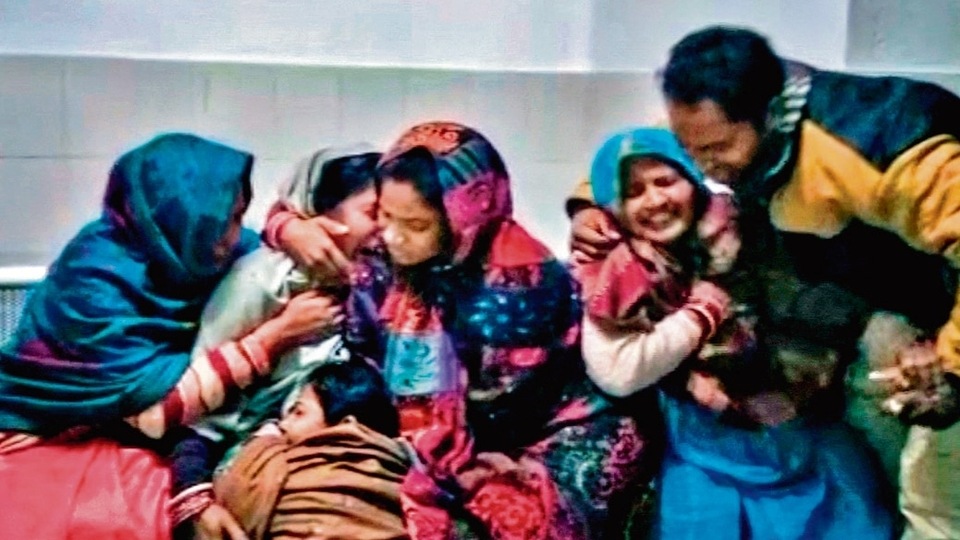
The worst poisonous alcohol-related tragedy in Bihar since the imposition of prohibition appears to have forced the government on the backfoot, with aggressive responses by chief minister Nitish Kumar to legitimate questions about what his administration was doing to track the sale of spurious liquor and how it was available so widely in a state where all sale and consumption of liquor is banned. The tragedy in Saran has claimed 70 lives so far, and the toll may rise further, given that another 30 people are still in the hospital. Opposition leaders claim that many people were buried or cremated without a post-mortem exam, indicating that the actual toll could be well past 100. Preliminary investigation has underlined some links with members of a liquor mafia who supplied spurious liquor to a wedding and local villagers.
That alcohol, or some adulterated version of it, is widely available in Bihar is no secret. Despite well-publicised events of the administration smashing thousands of bottles of seized liquor every year, numerous reports suggest that “home delivery” of alcohol is ubiquitous in cities and villages. In the Saran case, villagers have told the police how for a paltry sum of ₹30, pouches of alcohol are delivered to homes by gangs that wield economic and social power in the region and operate with impunity, often threatening harm to people who dare to inform the authorities. There appears to be little oversight, especially in the hinterland, and with almost no check on the proliferation of adulterated booze.
It’s an understatement to say that this poses a grave public health risk. Even as the families of the victims in Saran were cremating their loved ones, news came of a fresh tragedy in neighbouring Siwan. It is clear that there are administrative and law enforcement gaps, and big ones at that, in the enforcement of prohibition in Bihar, and these inadequacies are exacting a deadly toll on the people of the state. It is also equally clear that government policies have failed to check the mushrooming of illegal gangs that are smuggling in questionable alcohol, and facing no hurdles in distributing them on the ground. The history of prohibition has been patchy and the rationale behind it questioned by experts. But if Bihar has chosen to embrace it — it was a flagship promise by Mr Kumar in response to a demand by some women’s groups who wanted freedom from men wasting precious income on alcohol and associated domestic violence — then it must ensure better regulation, policing and health checks. The current ad-hoc model is not working.


