
 E-Paper



Time for review as poor disproportionately awarded death penalty
Punishment is considered a natural response to crime. But, the punishment should be commensurate with the seriousness of the crime. This raises the question of whether the State can take away a life even if the crime is murder.


Punishment is considered a natural response to crime. But, the punishment should be commensurate with the seriousness of the crime. This raises the question of whether the State can take away a life even if the crime is murder.
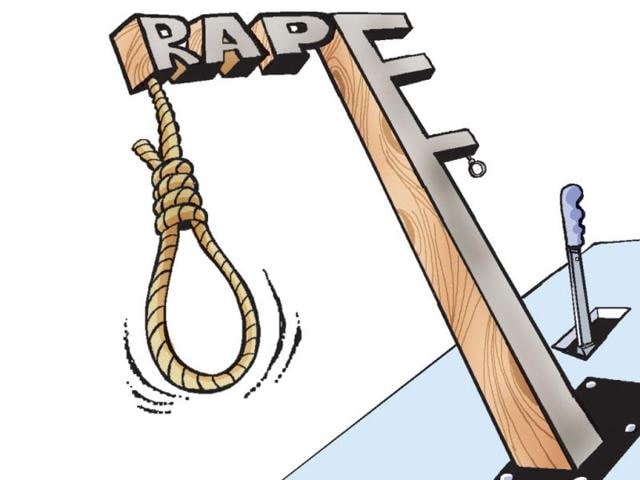
The death penalty has been a contentious issue across the globe, mainly for its irreversible and retributive nature. What if the person is wrongly convicted? In India, activists have been saying that most of those sent to the gallows were poor people who could not afford proper legal assistance.
Now a study done by National Law University, Delhi, and the Law Commission has confirmed this suspicion of class bias in awarding the death penalty. According to the study, more than 75% of death row convicts belong to backward classes and minorities; 75% are economically vulnerable and over 93% of those sentenced for terror crimes are minorities or Dalits.
This raises questions over the manner in the which death penalty is awarded by trial courts in India. It also underlines the need to make the legal system more affordable and accessible to the poor.
Notwithstanding the “rarest of rare” doctrine propounded by the Supreme Court in 1980, Indian courts awarded the death penalty to 5,054 convicts during 2004-13. Only 1,303 of death sentences were confirmed with the rest being commuted to life imprisonment by the higher courts.
During this period, only three convicts were executed. With the Supreme Court rejecting the curative petition of 1993 Mumbai serial blasts case convict Yakub Abdul Razak Memon, the issue of the death penalty is again going to dominate public discourse.
There are three parties to this debate — the convict, the victims and their families and society as represented by the State. Quite often victims seek retributive justice while the State invariably emphasises the importance of deterrent punishment. Justice is all about striking a fine balance among conflicting interests within the judicially permissible parameters of the law. It’s practically impossible for the courts to reach a conclusion that satisfies all the parties concerned.
This task becomes all the more difficult, given the tough internal security scenario compounded by terrorism. The popular mood wouldn’t allow the political class to take a stand on the abolition of the death penalty. But what is heartening is the stand taken by the Supreme Court, which has over the years limited the scope for the death penalty in India.


