
 E-Paper



Tribunals should help lighten the judicial burden
Better court management and stopping unnecessary litigation can help cut the backlog of pending cases before India’s central tribunals


A law commission report submitted this week says that the top five central tribunals in India have more than 3.50 lakh cases pending before them. The Income Tax Appellate Tribunal alone is scheduled to consider 91,000, the report says. Although the disposal by the tribunals in relation to the cases filed every year has been high at 94%, the pendency is worrisome. The Customs, Excise and Service Tax Appeal Tribunal, too, had 90,592 pending cases at the end of 2016. The role of the tribunals is spelt out clearly in the country’s justice mechanism: to overcome delays in dispensation of justice by regular courts. By dealing with disputes related to the environment, the armed forces, tax and administrative issues, they are meant to take some of the load off India’s overburdened courts. Clearly, that isn’t happening at the necessary pace.
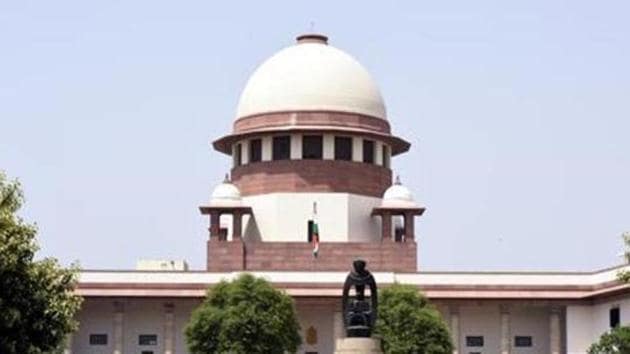
The judiciary-citizenry gap in India isn’t new. The country has just 18 judges for every million people. The United States, by comparison has a judge-to-population ratio of 107 judges for every million people. There are six vacancies for judges in the Supreme Court. The number of vacancies for judges in the High Courts stands at 400. In the lower courts, the shortfall is 5,000 judges. A Law Commission report in 2009 observed that it would take 464 years to clear the arrears with the present strength of judges. Still, just adding more judges may not be the only answer. One of the solutions being mooted by the law panel to reduce the number of pending cases is to ensure that the orders of the central tribunals are not challenged in the Supreme Court directly. The Central Administrative Tribunal, for instance, should be the last word on matters related to service conditions, without any scope for appeal. Similarly, tax matters should get closure at the offices of the Income Tax Appellate Tribunal itself rather than stretching for years together and leading to wasteful expenditure and eating into the precious time of the apex court.
Better court management will help. Although the Code of Civil Procedure recommends that the number of adjournments in one case be capped at three, it is routinely flouted. Since ‘absent-counsel’ is the reason for two-thirds of delayed cases, an answer could be for the registry to ensure cases involving the same lawyer are not listed too close together. Truant lawyers can be fined if they don’t turn up for hearings. Another possible solution could come from the government itself. The central and state governments are the biggest litigants in the country. If the State could slash its own burden of litigation, it may help the overstretched judiciary streamline its operations.


