
 E-Paper



What aspiring India needs & what it gets
This tragedy, like the many others the city has seen, is a manifestation of the gulf between what the future needs and what the present provides

 Prefer HTon Google


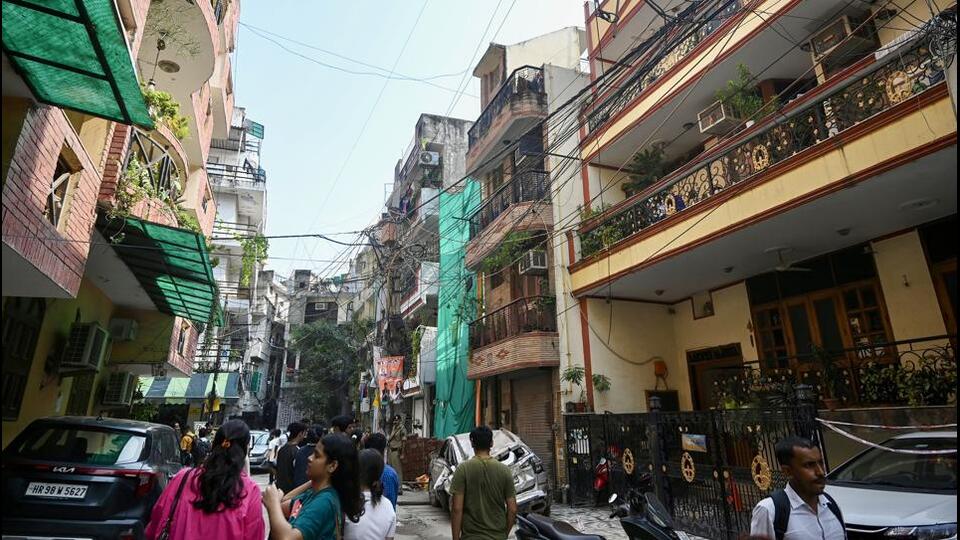
Most victims of the building collapse in Delhi on Sunday were students from far-off places, enrolled in the city’s higher education institutions (HEIs), including Delhi University (DU). And this tragedy, like the many others the city has seen, is a manifestation of the gulf between what the future — in this case, students moving to the Capital to secure an education — needs and what the present provides.
There are more than 250,000 students enrolled in the conventional mode in DU, and at least half are from other states. Their pursuit of a promising future rests on being able to find accommodation, food, and transport options within their budgets, with on-campus hostels and dormitories being the most preferred option. But DU colleges offer no more than 7,000-8,000 hostel beds, forcing a huge student population to seek lodging outside. It is this demand that has caused several localities such as Satya Niketan near the DU south campus and Kingsway Camp near north campus, with their densely-packed, regulation-flouting housing, to become preferred addresses for students. Private hostel/PG operators overlook critical compliances to keep their services affordable and profit from volume. Overstretched, apathetic, and corrupt authorities mostly ignore this, and students live precariously till disaster strikes, like it regularly does. The gap between the legitimate needs of aspiring minds and what the State delivers on ground is colossal.
This inadequacy is visible everywhere — in transportation, food, health support systems — but nowhere is it as pronounced as in housing. Successive state and Union governments have been passing the buck on this. Any politician who works towards it will not have to lose sleep over auramaxxing.


