E-Paper



CBSE conducts inspection at 15 schools to check for dummy student enrollments
The primary objective of the surprise inspections was to probe, scout out and ascertain that whether the schools were functioning in compliance with CBSE norms

 Prefer HTon Google


NEW DELHI: The Central Board of Secondary Education (CBSE) has conducted surprise inspections at 15 schools in Delhi, Chandigarh, Maharashtra, Jharkhand, Uttar Pradesh, West Bengal, and Andhra Pradesh to verify suspicions that they were violating affiliation norms by enrolling “non-attending” or dummy students in Classes 11 and 12.
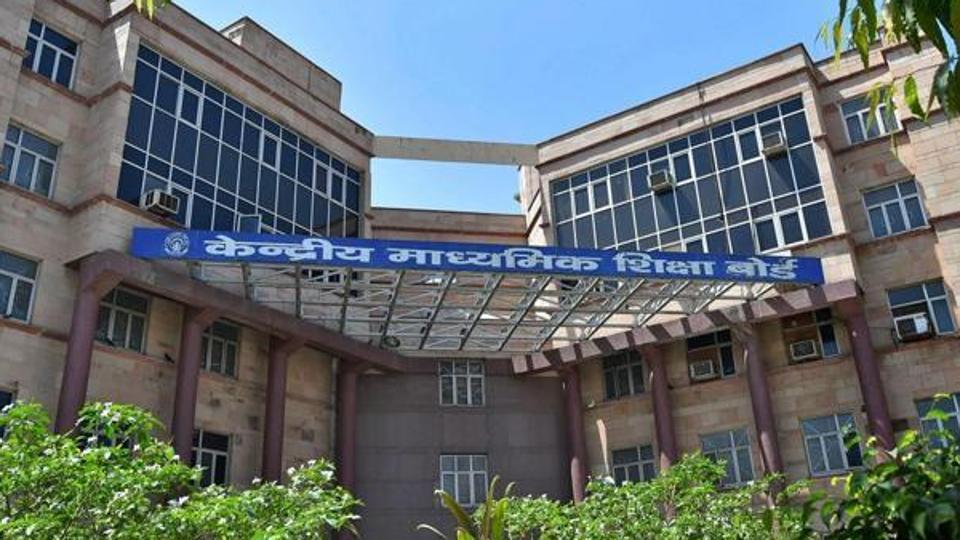
A total of 15 teams consisting of a board officer and principal of schools affiliated with the board conducted the inspections in a synchronised manner “to get accurate information about working and operations of the schools,” the board said in a statement issued on Friday.
Eight of the 15 schools were in Delhi, two in Maharashtra, and one each in Chandigarh, Uttar Pradesh, Andhra Pradesh, West Bengal, and Jharkhand.
“The primary objective of the surprise inspections was to probe, scout out and ascertain that whether the schools were functioning in compliance with the board’s norms as per the bye-laws of the board and are not enrolling non-attending students while maintaining the academic and physical infrastructure in the school,” the statement said.
The statement did not immediately indicate the findings of the inspections. It said necessary action would be taken after considering the reports of the inspection committees.
A senior CBSE official said schools were selected for surprise inspections after analysing the data of 30,000 schools. “The number of students, and their variation, were studied and we found that the enrollment in Class 11 and 12 in these selected schools as per records, was disproportionately high compared to Class 9 and 10, respectively. In many schools, dummy students were found during inspections,” he said.
Sudha Acharya, the principal of ITL Public School, Dwarka in New Delhi, who has been part of CBSE’s inspection committee in the past, said that the board uses the data and information from its OASIS (Online Affiliated School Information System) portal and LOC (List of Candidates) to select schools for inspections after finding discrepancies.
“OASIS is the portal where schools update data on infrastructure, staff, enrollment, class sections, and safety. LOC is used to register Class 10 and 12 students for board exams. CBSE cross-verifies both to spot irregularities. If a school shows only 40–50 students in Classes 9 and 10 but suddenly reports 450–500 in Classes 11 and 12, it raises suspicion. Such schools are shortlisted for surprise inspections in batches of 15–20. During visits, inspection teams often find far fewer students than recorded in the LOC. Inspection reports are submitted by inspection teams within 2–3 days of the inspection,” she said.
According to officials, based on inspection reports, CBSE issues show-cause notices to schools found to be violating the Affiliation Bye-Laws 2018. Each school receives a copy of its inspection report and is required to submit a response within 30 days of receiving the notice.
According to information available on CBSE’s website, the board has 30,984 affiliated schools.
In March, CBSE officials said that the board was planning to amend its examination bye-laws to prohibit students attending “dummy schools” — where pupils are enrolled on paper but skip regular classes to focus on private coaching for engineering and medical entrance examinations — from appearing for Class 12 board examinations from next year, and require them to take the National Institute of Open Schooling (NIOS) exam instead.
In January, the Delhi High Court called the dummy schools a “fraud” and directed the Delhi government and CBSE to take action against them. The CBSE counsel informed the court that action had been taken against over 300 “dummy” schools across the country.
In November last year, CBSE withdrew its affiliation from 21 schools of Rajasthan and Delhi after the board found a significant number of non-attending students of Classes 9 to 12 in these schools during surprise inspections in September. The board also downgraded the affiliation of six schools in Delhi.