
 E-Paper



Why does India need specialised real estate education
Residential real estate is considered a key to the well being of people whereas commercial assets are a must for other economic activities.

 Prefer HTon Google


Real estate is a significant part of the economy. The sector contributes nearly 10% to GDP in the U.S., India and Pakistan and well beyond 10% in some other countries such as Bhutan.
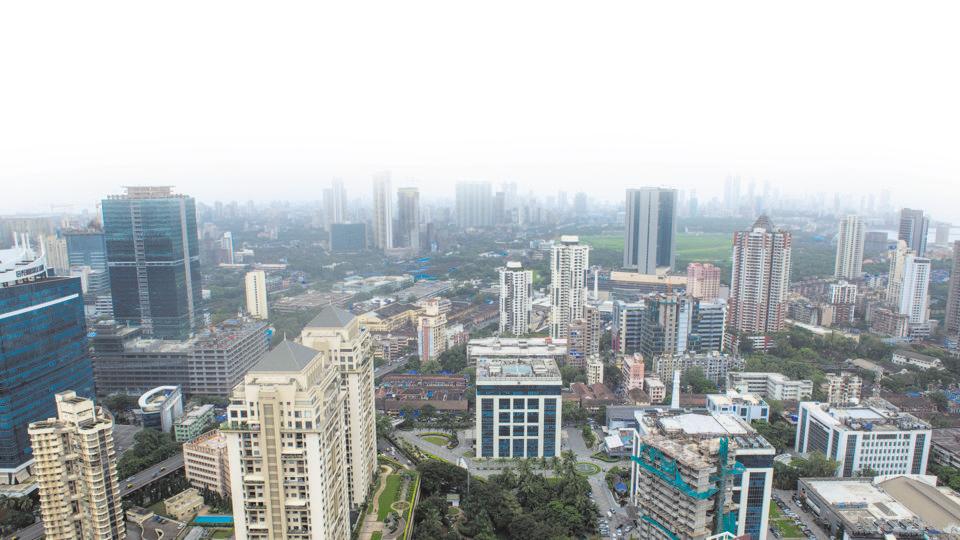
Residential real estate is considered a key to the well being of people whereas commercial assets are a must for other economic activities.
Most developed nations acknowledged the importance of real estate expertise a long time ago and have well-developed real estate curricula at the bachelor, masters and doctoral levels. It is a pity, however, that real estate is not an integral part of business/ economics curricula in less developed countries like India. We not only need to introduce real estate into the mainstream social sciences, we must also add this as a specialization to business and economics curricula.
Some people argue that the real estate education is absent because the real estate sector is disorganized. It is a travesty. Actually, the causality is reversed. The disorganization itself –at least in part–stems from the absence of formal education. In fact, disorganization of the sector is precisely the reason we need to integrate real estate competencies in undergraduate curricula and beyond.
The disorganized adversely hits the economy in three ways.
First, it sows the seeds of corruption in a sector which is extremely capital-heavy, and constitutes the single-largest component of citizens’ hardearned wealth.
The sheer size of this sector helps corruption spread into other sectors.
Second, residential property bubbles are often exacerbated by irrational household behaviour, resulting from ignorance on subjects related to property. Such behavior often mis-allocates household wealth to the wrong assets benefiting the few individuals who know how to exploit such an unfounded home-buying craze. The resulting price bubbles also compromise the consumption and wealth-creation potential of the “common man”.
More importantly, the lack of real estate knowledge either underwhelms or misinforms policy implications. For example, it is a proven fact that bigticket commercial real estate assets offer much higher yields than residential real estate. However, investing in such assets is limited to the wealthy. Yet, the traditional policy framework has focused on homeownership.
Real estate education will reduce wealth disparity across the have’s and have not’s.
The good news is that some recent government policies in India have recognized this issue through measures such as the RERA and the REIT Act. REITs, in particular, allow an individual to invest in commercial assets.
However, due to market players’ lack of knowledge about REITs, we see scant industry activity in this domain.
Academic scholarship in real estate will inform prudent policy-making and help in making the market more rational.
Top-tier schools in India do not offer real estate studies as a major or even minor.
Yet, the appetite for such expertise – both at the household and professional levels – has increased markedly in recent years.
Real estate expertise is often sourced from business/hospitality management schools in Europe, the U.S. and Singapore. This indigenous expertise, which is borrowed from other sectors such as general finance, economics and urban planning, is often underprepared to address the nuances. This needs to change.
Introducing real estate education will have a far-reaching, positive impact on the national economy and the wellbeing of people.
It is high time real estate took its rightful place among university-level curriculum.
(The author is an associate professor of real estate finance at Ecole hôtelière de Lausanne. Views expressed are personal)


