
 E-Paper



World Cancer Day: Mahesh Manjrekar says, ‘Why do we presume that once you get cancer, you have lost all hope?’
On World Cancer Day, director Mahesh Manjrekar urges people to listen to the body signals, and get regular check ups


It took actor-director Mahesh Manjrekar four years to discover the true cause of his overactive bladder — high-grade bladder cancer. “I had been treating it for the longest time, thinking it was an age-related issue,” recalls Manjrekar, adding, “Little did I know that it was the first stage of cancer. After about four years of torture, when I passed blood in my urine, I was alarmed and got my tests done and found out that it was high-grade bladder cancer.”
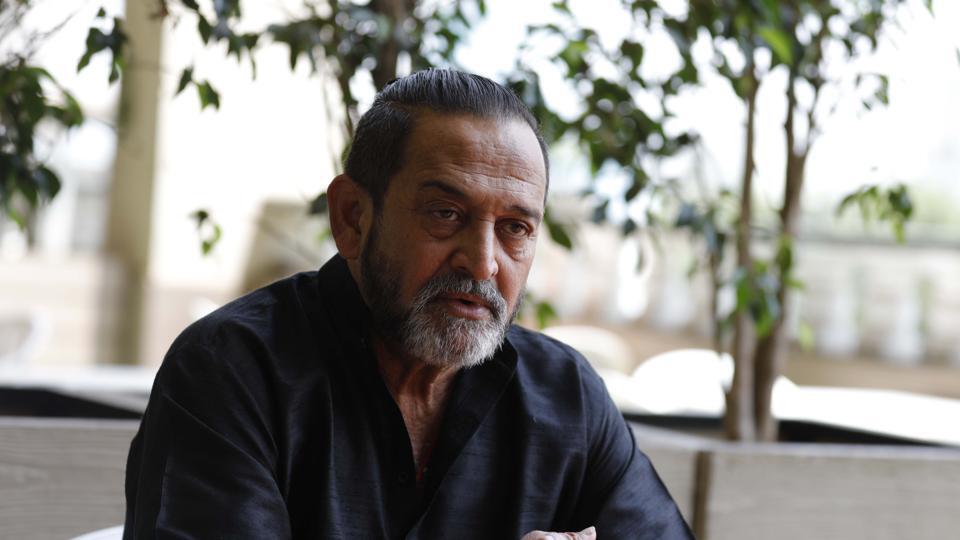
He recalls, “After I got the news, I was not scared at all. I decided that I will face it. I knew getting scared is not going to take me anywhere. I looked at people who have been cured of cancer rather than people who have succumbed to cancer.”
Manjrekar, who continued directing Antim: The Final Truth (2021) after his diagnosis and even during the treatment, emphasises on the early detection in the fight against the disease.
“After the age of 40, I would advise people to have regular checkups. Not to treat any disease, but to check on your well-being. If I had done my tests immediately, I could have saved my bladder because at that time it would have been in a very initial stage, and it would have been treated differently. But, I lost my bladder as a result of my ignorance,” he says.
The 63-year-old reveals that he underwent over 11 hours to remove lymph nodes, and soon the scans showed that the cancer had not spread, which came as a relief for him and his family. He further adds that he never lost hope even once during the ordeal.
“One can die from malaria or dengue too. So, why do we presume that (one will die) once you get cancer and lose all hope? I treated it like any other disease.”
Manjrekar feels one should maintain distance from people who grieve about the diagnosis of cancer, and shares, “People who come to sympathise with you and tell them to go home. Instead, give them a lot of confidence to overcome it. In my house, there was never ever a mention of cancer,” he continues, “Family and friends should be extremely supportive, and not come home and cry to ke ‘kya hua, kaise hua’. Many times people would tend to scare you talking about the negative aspects of chemo etc. I don’t know why they tell you that, because psychologically, it does play a big part.”
The multi-award winning filmmaker, who is cancer-free now, says he no longer takes his health for granted. “Once bitten twice shy. I should have got regular tests, maybe five years back. Yearly checkups, regular tests and a PET scan would simply help you in the long run,” he concludes on a positive note.


