E-Paper



Drones to monitor the health of Odisha elephants after 6 died of disease
The forest department staff are trying to keep the rest of the elephants away from the ones which have been hit by the bacterial disease

 Prefer HTon Google


With six elephants of Karlapat wildlife sanctuary in Kalahandi district succumbing to the bacterial disease haemorrhagic septicaemia or Pasteurellosis in a span of two weeks, the highest in any forest in India. The state forest department has started using drone cameras in the range to track the movement of and the health of the jumbos, said officials and wildlife experts.
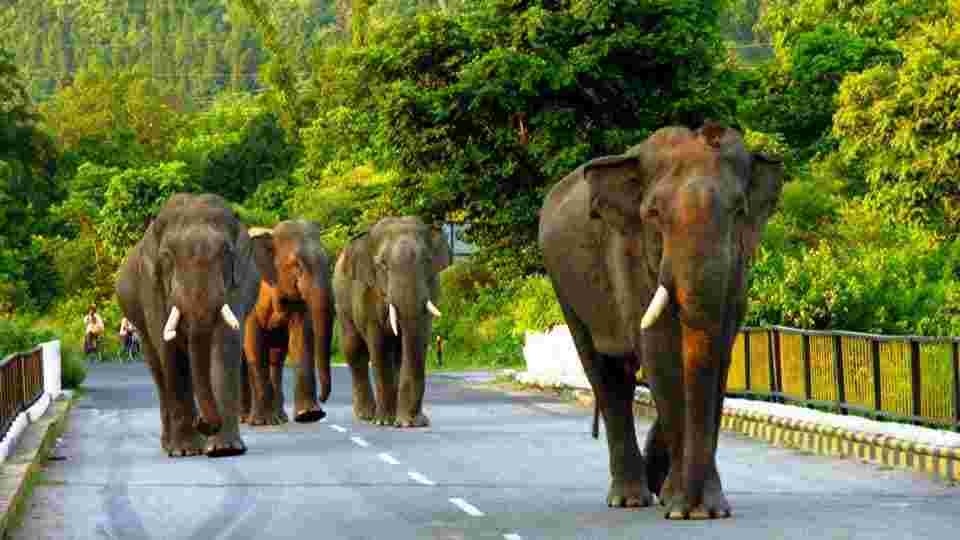
“The drones will be fitted with thermal sensing cameras which would detect the body temperature of the elephants and help us diagnose their disease. We have also placed bananas laced with antibiotics at various places in the forest. The track cameras will help us to find out the elephants consuming the bananas and monitor the impact of the antibiotics on them,” said principal chief conservator of forests Shashi Paul. He added that over a dozen jumbos in the sanctuary will be monitored.
Between February 1 and 12, six female elephants of a herd in Karlapat wildlife sanctuary of Kalahandi district succumbed to haemorrhagic septicaemia or Pasteurellosis setting alarm bells ringing in the state forest department.
The veterinary experts from the Centre of Wildlife Health in Bhubaneswar's Odisha University of Agriculture and Technology, who examined the viscera of the carcasses and conducted molecular tests believe the bacteria may have been transmitted from water buffaloes or cattle reared by the people of 4-5 villages living inside the sanctuary. The disease is characterised by high fever ranging 104°–106°F, restlessness and reluctance to move, hypersalivation and a nasal discharge. The disease mainly affects water buffaloes, cattle, and bison in tropical areas of southeast Asia where the population of water buffaloes is high. Acute infection can persist for up to three days.
Also Read: Odisha govt to spend ₹200 crore to revamp Kalinga Studio
Paul said the forest department staff are trying to keep the rest of the elephants away from the ones which have been hit by the bacterial disease.
“The female elephants move together in a herd and they seem to have been infected by the bacterial disease. We are trying our best to contain the spread and keep a close watch on the infected water bodies. The challenge for us is to keep the infected elephant herd from coming in contact with other herds and animals,” said divisional forest officer of Kalahandi (south) T Ashok Kumar.
He said the veterinary staff are vaccinating the domestic cattle in the villages located inside the sanctuary. We have also alerted the villagers about the outbreak.