
 E-Paper



Despite concerns, Punjab wraps up SIR with 90% elector participation
1.94 cr of 2.14 cr electors to figure in draft roll; 20.69 lakh classified as absent, shifted, dead or duplicate; claims & objections window opens from Aug 13 to Sept 12

 Prefer HTon Google


Amid concerns and trust issues voiced by various political parties and social groups, the house-to-house enumeration phase of the Special Intensive Revision (SIR) of electoral rolls concluded smoothly in Punjab on Monday, with 90.4% of the border state’s registered electors submitting their enumeration forms.
According to the latest official figures, signed enumeration forms of 1.94 crore electors, out of the total electorate of 2.14 crore, were collected and digitised during the extended 40-day enumeration exercise aimed at updating and sanitising the electoral rolls in the state. The names of these electors will be included in the draft electoral roll-2026, which is scheduled to be published on August 13. The remaining 20.69 lakh electors, accounting for approximately 9.6% of the state’s electorate, have been categorised as absent, shifted, dead, or duplicate (ASDD).
Of these, 9.44 lakh (46%) were found to have permanently shifted their residences, 5.74 lakh (28%) were reported deceased, 4.14 lakh (20%) were untraceable or absent from their registered addresses, and 1.18 lakh (6%) were found to be enrolled at more than one place.
Since the forms of these electors were not received, their names will not be entered in the draft electoral roll. The high proportion of electors classified as “permanently shifted” reflects the level of urban mobility, particularly in Ludhiana, SAS Nagar, and Amritsar district.
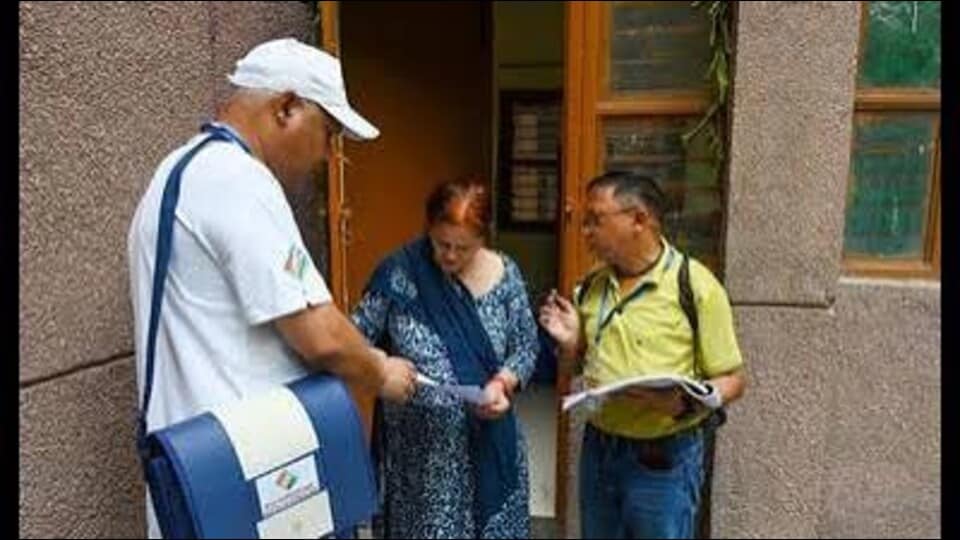
At the outset of the exercise, individual enumeration forms were printed for every registered elector, and booth level officers (BLOs) were tasked with door-to-door verification and collection of signed forms. Officials said the objective of the exercise was to prepare clean, accurate and up-to-date electoral rolls, and all attempts were made to reach out to, identify and locate every single genuine voter.
The claims and objections window will remain open from August 13 to September 12, providing an opportunity to all eligible electors who did not return their signed enumeration forms as well as others to submit their claims and objections for inclusions, deletions or corrections. The Electoral Registration Officers (EROs) will carry out verification and conduct hearings for disposal of claims and objections. The final electoral rolls will be published on October 12.
Doubts raised over SIR timing
The announcement of the electoral roll revision was viewed with suspicion and trepidation in Punjab, with all major political parties except the BJP questioning both the intent and timing of the exercise. Chief minister Bhagwant Mann warned against any attempt to engineer “fake votes” in favour of a particular political party and said that AAP leaders and workers would remain stationed alongside BLOs at every polling booth across Punjab to monitor the exercise. Punjab Congress chief Amarinder Singh Raja Warring also questioned the urgency to hold the exercise so close to the state assembly polls due early next year.
Relatively high elector participation
The enumeration phase, however, was completed without any major hiccups, with a participation rate of above 90%. The classification of fewer than 10% of electors under the ASDD category, who are set to be excluded from the draft roll, is also comparatively better than several other states and union territories. In neighbouring Haryana, 16.4% of the state’s 2.06 crore electors were left out of the draft roll published last week. In Chandigarh, the corresponding figure stood at 12.8% of the 5.16 lakh electors registered in the city at the start of the enumeration exercise.
District-wise, five of the state’s total 23 districts saw elector participation of more than 94 per cent. Mansa topped the list with 96.3 per cent of voters submitting their forms, while enumeration forms of 3.7 electors were not returned. SAS Nagar recorded the lowest voter participation at 82%, as enumeration forms of 1.54 lakh electors, out of a total electorate of 6.99 lakh, were not returned. These voters will not be included in the draft roll. A district-wise break-up of the ASDD is not available. Of the state’s 117 assembly constituencies, 81 have an ASDD under 10%, whereas only 15 have an ASDD above 15%.
Chief electoral officer Anindita Mitra on Sunday said that Punjab completed 100% digitisation in all 117 assembly constituencies, a day ahead of the August 3 deadline. Mitra commended the district election officers, electoral registration officers, and booth-level officers for completing the enumeration and digitisation exercise ahead of schedule. She is expected to release the final data on the enumeration exercise on Tuesday.


