
 E-Paper



Future of fashion in the wake of Covid-19


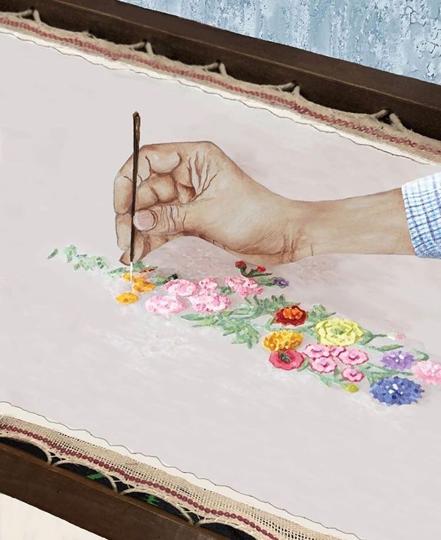
Designers discuss the impact of the pandemic on the business of fashion, buying behaviour and consumer catagories
The world overcame the Spanish Flu pandemic of 1918, which was followed by the arrival of the roaring 20s. In the wake of Covid-19 pandemic of 2020, will we see a return to the exuberance and excess remotely reminiscent of the flapper age once we overcome the deadly virus?
With coronavirus hitting the globe with a rash temerity, fashion retail has been badly hit. The business of fashion has been negatively impacted with brands and design houses closing their stores and postponing runway shows. With key events like the Met Gala and the CFDA Awards getting postponed indefinitely and department stores like Nordstrom, Neiman Marcus, Macy’s, Selfridges and Saks Fifth Avenue shutting their shops, it’s time to delve deeply into the crisis and accordingly predict the future of luxury retail.
Designer Rahul Mishra says, “While it’s still early to predict the consumer behaviour post crisis, I do believe that the consumer will rise out of it more sentimental and sensitive towards various phenomena such as fast fashion, climate change, etc. During the lockdown, people are learning the importance of resources and must learn to use them more wisely. This shall initiate an inclination towards garments that have more longevity and creative and emotional value; so to speak, the consumer may learn the relevance of mindful, slow fashion goods created with authentic craft techniques by humans and not machines. This shall increase demand for independent designers and young brands for the kind of excitement they create in fashion and those with business models that chase infinite growth through fast fashion may seek redefinition.”
Looks like that mindfulness and sustainability would continue to be the key words in the coming seasons too. The upcoming Bridal Fashion Week in New York will be going virtual New York Fashion Week Resort 2021 stands cancelled. The Fédération de la Haute Couture et de la Mode, French fashion’s governing body, announced on March 27 it is cancelling Paris Men’s Fashion Week and Couture Week due to the virus. Back home, the Lotus Make-up India Fashion Week Autumn-Winter 2020, organised by the Fashion Design Council of India (FDCI), which was to take place in March stands postponed.
After Corona, designers see a huge shift in consumer behaviour. Designer Pranay Baidya says, “There might be an initial spike in impulsive spending just to feel the sheer thrill of retail therapy, however once that subsides, I strongly believe we are going back to a sustained period of authenticity, craft, handloom, and tradition. The desire and urgent need to support ‘make in India’ is stronger than ever before, as each locally made purchase would mean directly supporting regional weaves, homegrown fashion labels and in turn funding all the Makers - weavers, tailors, embroiderers, craftspeople sustain a livelihood.”Atelier Pranay Baidya has been pursuing e-commerce over the last couple of years and nearly 60% of its retail business comes from online sales through parter multi-designer stores. Pranay sees this number increasing exponentially, all while taking a close stock of exaggerated inventory norms and overproduction.
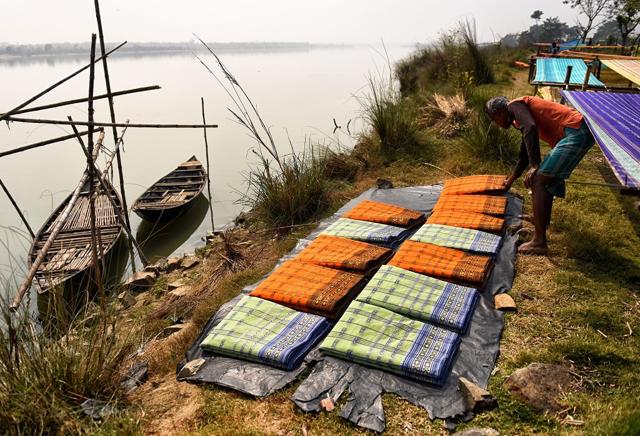
“As a community endeavour, I have started TANT, a dedicated project to retail, revive and celebrate Bengal handloom. With shops and markets closed, the weaving communities have incurred huge losses, as the month of March and April (Chaitra Sale) are some of the busiest months of the year, leading upto Bengali New Year (on April 14th). The need of the hour is to mobilise retail and e-commerce support with an aim to boost business and revive endangered weaves and communities. I will be hosting regular workshops with the weavers (currently through video calls), offering creative direction and textile design expertise in developing an ongoing collection of modern day Tant Sarees and textiles that can be procured by yardage. The collection starting for little as Rs 1000, will be wearhoused and catalogued in Kolkata and retail through leading multi-designer stores across the country, a nationwide calendar of experiential pop-ups and e-commerce portals to the indian diaspora living overseas, with funds going back directly to the weavers,” shares Pranay.
Designers across the board opine that fashion could not longer afford to overlook the principles of up-cycling and sustainability going ahead. Designer Hemant Sagar of the label Lecoanet Hemant says, “I strongly believe up-cycling is the way forward and it’s more about cultivating a personal style. The pandemic has come as an alarm to realign our goals collectively, aim for a more sustainable way of production and look at consumption with an entirely new perspective.”
The pandemic is also likely to impact different fashion categories.
Designer Karan Torani says, “I feel the middle bracket clothing would suffer. The kind of clothing that doesn’t fit in your everyday life or in a grand occasion. Simply because, people would want to avoid expenses which are not need based for a certain time.”
Torani is planning to cut down his production massively and only focus on orders for the coming months. “Value for money is going to be key for the consumer. So I believe, the buyer may want to purchase less, but they’d want something that holds meaning, something that they value and is a special outfit that lasts them longer. Look at this way, if you’re going to spend your money only once a month, you’d want it to be something that is special. In a situation such as this, us designers would have to be on our toes to create something that goes beyond the norms. Hence, expecting an influx of groundbreaking ideas, more meaningful narratives and bigger trends is only natural,” says Karan.
Designers anticipate that it may take time for the overall sentiments to lift, even much after the lockdown is released, but we may see the Indian couture segment recover the fastest. “This could be precisely because the market for couture in India is largely driven by occasion wear and our culture knows how to celebrate all year round. The gatherings may be smaller and the fear may remain, but people would continue to long for celebration as that is what our lives are so full of; amidst precautions and social distancing, we’d resume with festivities sooner or later. Apart from this, in my opinion, fashion that is based out of values of authenticity, and pure craft is going to survive. As the consumer grows more aware of the role that sustainable fashion can have in helping create a better future, the demand for naturally produced textiles, intricate artisanal hand-work and mindful luxury would see a rise. With this, the people would seek to not only support local craftsmen and small businesses but also curate a wardrobe for themselves that lasts for years of time and remains sufficiently relevant throughout,” adds Rahul.
Designer Gautam Gupta of the Label Asha Gautam seconds it. “Sustainable and eco-conscious fashion will be the one which will see the most spike. We can expect more functional or multi purpose clothing to take a bigger space in fashion. Value for money will be the mantra for the masses,” says Gautam.


