
 E-Paper



7 Things to Consider When Buying Bike Insurance
In India, two-wheeler insurance offers essential protection but requires careful selection. Riders should consider coverage types, IDV.

 Prefer HTon Google


Owning a two-wheeler offers unmatched convenience on Indian roads, but it also comes with risks such as accidents, theft, and natural calamities. While purchasing bike insurance is mandatory under the Motor Vehicles Act, choosing the right policy is just as important as complying with the law.
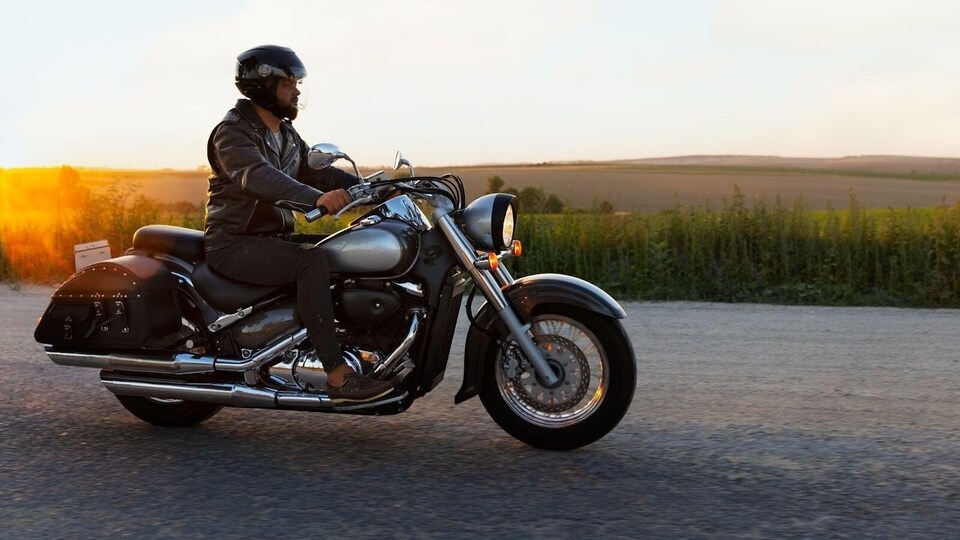
A well-chosen policy provides financial protection, peace of mind, and hassle-free claims when something goes wrong. Before selecting a policy, buyers should evaluate multiple factors to ensure their bike insurance truly meets their riding and budget needs.
1. Type of Bike Insurance Coverage
Not all bike insurance policies offer the same level of protection. Understanding the available coverage options helps in making an informed decision.
In India, two-wheeler insurance is broadly available in three forms. Third-party cover is the most basic and legally required option, covering injuries or damage caused to a third party. However, it does not protect the insured bike.
Comprehensive policies, on the other hand, cover third-party liabilities along with damage to the insured vehicle due to accidents, theft, fire, or natural disasters. Riders can also opt for a standalone own-damage policy if third-party cover has already been purchased separately.
Choosing the right coverage ensures that bike insurance not only fulfils legal obligations but also offers real financial security.
2. Insured Declared Value (IDV) of the Bike
The Insured Declared Value plays a crucial role in determining claim payouts and premiums. The IDV in bike insurance represents the current market value of the two-wheeler after accounting for depreciation.
It is the maximum amount the insurer will pay in case of total loss or theft. A higher IDV increases the premium, while a lower IDV reduces it but may lead to lower claim settlements. According to IRDAI guidelines, depreciation rates depend on the age of the bike.
Understanding how the IDV is calculated helps buyers strike the right balance between affordable premiums and adequate compensation. Selecting an unrealistically low IDV may save money initially, but can cause financial stress during claims.
3. Add-on Covers Worth Considering
Add-ons enhance standard coverage and offer extra protection tailored to Indian riding conditions. While basic bike insurance policies provide limited coverage, add-ons can significantly expand protection.
Popular options include zero depreciation cover, engine protection, roadside assistance, and return-to-invoice cover. These add-ons are particularly useful for new bikes or for riders frequently travelling in congested urban areas.
Choosing relevant add-ons ensures that two-wheeler insurance offers comprehensive protection without unexpected out-of-pocket expenses during repairs or emergencies.
4. Premium vs Coverage Balance
The cheapest policy is not always the best option. Premiums for both offline and online bike insurance plans vary based on factors such as bike age, engine capacity, location, and claim history.
While it may be tempting to choose the lowest-priced plan, inadequate coverage can lead to financial losses later. Comparing policy benefits, deductibles, and exclusions is more important than focusing only on cost.
When purchasing bike insurance online, riders should look for a balance between premium affordability and the extent of coverage offered. This approach ensures long-term value rather than short-term savings.
5. Claim Settlement Ratio and Process
A policy is only as good as its claim support. The claim settlement ratio indicates how efficiently an insurer settles claims.
A higher ratio reflects reliability and smoother claim experiences. Insurers offering two-wheeler insurance online often provide digital claim filing, faster processing, and cashless repairs through network garages.
Understanding the claim process beforehand helps avoid confusion during emergencies. Checking documentation requirements and common claim rejection reasons ensures that bike insurance claims are settled without unnecessary delays.
6. No Claim Bonus (NCB) Benefits
Safe riding habits can significantly reduce insurance costs over time.
The No Claim Bonus is a reward for policyholders who do not raise claims during the policy year. It offers cumulative discounts on renewal premiums, sometimes going up to 50%. NCB can be transferred when switching insurers or even when buying a new bike.
Opting for online bike insurance makes tracking and transferring NCB easier. This benefit encourages responsible riding while lowering the long-term cost of two-wheeler insurance.
7. Policy Exclusions and Fine Print
Ignoring exclusions can lead to unpleasant surprises during claims.
Every bike insurance policy comes with exclusions such as damage caused while riding without a valid licence, driving under the influence, or participating in illegal racing. Wear and tear, mechanical failures, and certain consumables are also commonly excluded.
Reading the policy wording carefully helps riders understand where and when claims may be denied. Awareness of exclusions ensures realistic expectations and smoother claim experiences.
Buying the right bike insurance requires more than a quick online comparison. From understanding coverage types and add-ons to evaluating claim support and policy exclusions, each factor plays a vital role in long-term protection.
With the availability of bike insurance online, comparing policies has become easier, but thoughtful evaluation remains essential. By focusing on coverage quality, fair premiums, and reliable claim processes, riders can choose a policy that offers true peace of mind on the roads.
Disclaimer : This article has been produced on behalf of the brand by HT
Syndication.
Want to get your story featured as above? click here!


