
 E-Paper



Delhi CM Rekha Gupta inspects Aruna Asaf Ali Hospital, pushes for faster and citizen-centric healthcare
During a surprise inspection at Aruna Asaf Ali Hospital, Delhi CM Rekha Gupta engaged with patients, emphasizing the need for an efficient healthcare system.

 Prefer HTon Google


Delhi chief minister Rekha Gupta conducted a surprise inspection of Aruna Asaf Ali Hospital, interacting with patients and their families to assess ground-level conditions, including availability of doctors and overall arrangements. The visit is part of a broader push by the Delhi government to improve public service delivery across sectors, from healthcare to flood control and urban infrastructure.
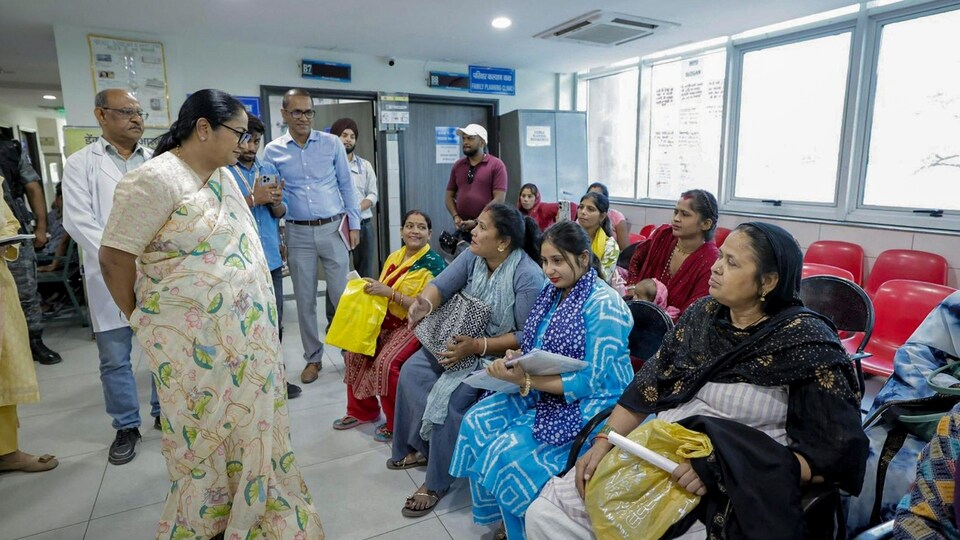
According to an official statement, Gupta reviewed feedback from doctors, staff and hospital administration during the inspection and issued directions to make healthcare services more modern, swift, compassionate and citizen-centric. “Our commitment is to ensure that every citizen of Delhi experiences a healthcare system where treatment is timely, facilities are modern, surroundings are clean, and every patient is served with dignity,” the statement said.
Officials said the chief minister placed special emphasis on preparedness for the summer season, directing hospital authorities to ensure uninterrupted availability of medicines, drinking water, cleanliness and patient convenience. The instructions come amid seasonal challenges when public hospitals often face increased patient load and resource strain.
The inspection is one of several recent on-ground reviews by Gupta across departments. Earlier, she had reviewed Delhi Metro Phase 4 construction work and chaired meetings on flood preparedness.
Focus on public services and infrastructure
Parallel to healthcare improvements, the Delhi government is also working on flood mitigation measures. According to PTI, the government plans to undertake desilting of the Yamuna river near the ITO barrage to strengthen its flood management strategy. Officials said the exercise will focus on deepening the existing water channel to ensure smoother flow and prevent waterlogging in vulnerable areas.
The move follows lessons from the 2023 floods, when record water levels in the Yamuna led to inundation in parts of the city. Malfunctioning of barrage gates due to heavy silting had contributed to the crisis, prompting authorities to prioritise preventive measures this year. The chief minister has also directed departments to complete desilting of drains on time and ensure preparedness at identified flood hotspots.
In addition, CM Gupta recently inaugurated water ATMs in Shalimar Bagh to improve access to safe drinking water, particularly in high-density and unauthorised colonies. According to PTI, these units are equipped with a five-stage RO system and can supply around 2,000 litres of purified water per hour. Residents have been issued smart cards to access the service, which is expected to ease pressure on traditional water supply systems.
The government has also linked such initiatives with long-term urban development goals, including improving infrastructure in informal settlements and ensuring equitable access to basic services.
Welfare measures and governance push
The administration has also been focusing on mobility and women’s empowerment. PTI reported that over 5.3 lakh ‘Pink Saheli Smart Cards’ have been issued under the free bus travel scheme for women and transgender persons. The smart card system enables seamless travel using a tap-and-go mechanism and is part of the broader ‘One Nation, One Card’ initiative.
Officials said the scheme not only improves access to public transport but also reduces financial burden on households and supports greater participation of women in education and employment.
(With inputs from PTI)


