
 E-Paper



Early Clues, Lifelong Impact: Understanding Sickle Cell Disease
Why timely detection and community awareness are key to managing a lifelong condition?

 Prefer HTon Google


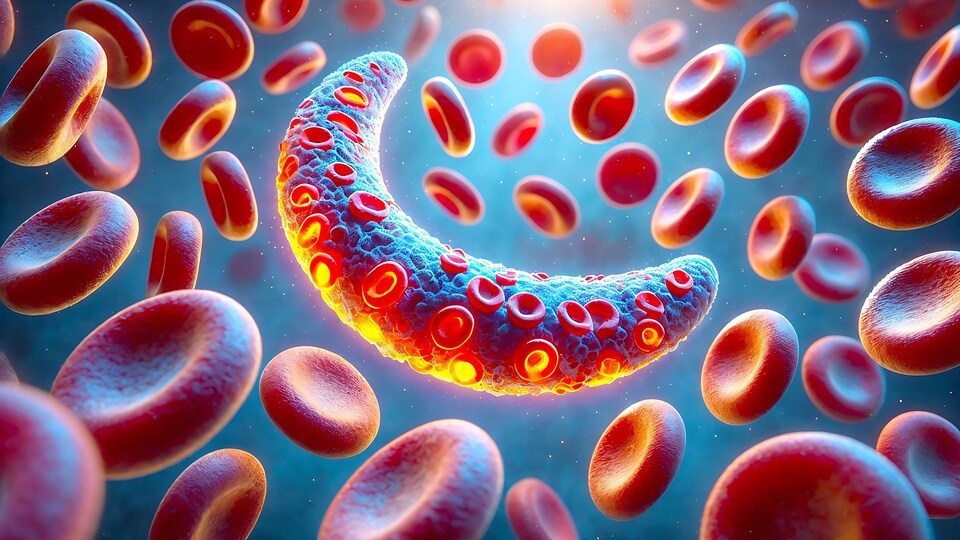
Sickle Cell Disease (SCD) is one of India’s persistent public health concerns. It is a genetic blood disorder that alters the shape and function of red blood cells. These cells become sickle-shaped, stiff, and sticky, causing them to block blood flow. This can result in a range of complications, from pain crisis, extreme fatigue, infections, delayed growth, and organ damage.
SCD has a significant prevalence in India, particularly in certain high-risk regions across central and eastern states. According to the Indian Council of Medical Research (ICMR), approximately 20 million individuals carry the sickle cell trait, with over 1.4 million cases of SCD reported nationwide. Early identification remains the most effective way to prevent long-term damage.
Why Early Detection Matters
Many babies are screened for SCD at birth in countries with strong neonatal screening programs. In India, however, awareness is still growing, and universal screening is being scaled gradually under the National Sickle Cell Anaemia Elimination Mission. Launched by Honourable Prime Minister Narendra Modi in July 2023, this mission aims to screen over 7 crore people by 2026 and eliminate the disease as a public health issue by 2047. Source: PIB – National Sickle Cell Mission, July 2023
Unfortunately, in the absence of early diagnosis, children with SCD may go undiagnosed until they experience a severe health episode. Subtle signs often mistaken for common ailments can be early indicators that something is wrong.
Early Signs You Shouldn’t Ignore
1. Unexplained Fatigue or Weakness
Children with SCD often suffer from anaemia, resulting in chronic fatigue or breathlessness even after mild exertion.
2. Swollen Hands or Feet in Infants
A condition known as "dactylitis," or painful swelling in hands and feet, can be one of the earliest signs of blocked blood flow due to sickled cells.
3. Recurring Infections
The spleen, which plays a key role in fighting infections, may become damaged early in children with SCD, making them more vulnerable to fevers, pneumonia, and other bacterial infections.
4. Yellowing of the Eyes or Skin
Jaundice is common in children with SCD due to the rapid breakdown of defective red blood cells.
5. Delayed Growth and Puberty
Lack of healthy red blood cells can impact physical growth and hormonal development.
6. Pain Episodes or ‘Pain Crises’
Even without visible injury, children may complain of severe pain in the chest, abdomen, bones, or joints. These episodes can last hours or days.
“Sickle Cell Disease is not curable in all cases, but it is preventable and manageable. Early screening—especially premarital or prenatal—can significantly reduce the disease burden. And for those diagnosed, timely medical care can vastly improve quality of life,” says Dr. Dipty Jain, Former Chair, Dept of Pediatrics, Government Medical College, Nagpur, and Chairman of the Task Force on SCD Elimination.
Taking Action
If your child or someone in your family is showing multiple signs listed above—or if there is a family history of the disease—consult a medical professional. A simple blood test, such as the haemoglobin electrophoresis test or solubility test, can detect whether someone is a carrier or has the disease.
Treatment and Management Options
While there is currently no universal cure, treatment options can help manage the disease effectively:
Hydroxyurea: A medication that reduces pain episodes and the need for transfusions.
Vaccinations & Antibiotics: Essential to reduce infection risk, especially in young children.
Routine Monitoring: Regular health checkups to monitor organ function and growth.
Bone Marrow Transplant: The only known potential cure for some patients, especially children with matched donors.
A National Call to Action
India’s National Sickle Cell Anaemia Elimination Mission is now operational in 17 states and 278 districts. As of March 2024, June 2025, over 5,79,35,688 crore individuals have been screened. The mission prioritizes awareness, outreach, and community engagement, especially in regions with higher genetic prevalence. Source: https://sickle.nhm.gov.in/home/guest_dashboard
In Closing
Sickle Cell Disease rarely announces itself loudly. It enters quietly, through pain episodes, fatigue, mild fevers, or a child who seems to fall ill too often. But by recognising the early signs, seeking testing, and beginning treatment, we can change the story. Every timely diagnosis is a step towards healthier, longer lives and a future free from the burden of this inherited condition.
Sources:
National Sickle Cell Anaemia Elimination Mission Guidelines – NHM, MoHFW
Press Information Bureau: National Sickle Cell Mission Launch – July 2023
UN Resolution A/RES/63/237 – Recognition of World Sickle Cell Day
PIB: Progress Update – March 2024
Note: This article has been produced on behalf of the brand by HT Brand Studio and does not have the journalistic/editorial involvement of Hindustan Times. The information provided does not constitute medical advice. Please consult a registered medical practitioner for health-related concerns.


