
 E-Paper



From Metro Cities to Tier-2 India: How World-Class Healthcare Is Reaching Patients Closer to Home
The rise of healthcare facilities in Tier-2 cities signifies a shift in India’s medical landscape. Patients now enjoy quality, patient-centric care near home.

 Prefer HTon Google


For decades, advanced healthcare in India has largely been associated with metropolitan cities. Patients from smaller towns often travelled hundreds of kilometres to Delhi, Mumbai, Chennai, or Bengaluru in search of quality treatment, better infrastructure, and specialised doctors. For NRIs returning to India for medical care, the belief was even stronger - only big-city hospitals could deliver international standards of treatment.
That narrative is changing rapidly.
Across India, Tier-2 cities are witnessing a healthcare transformation driven by modern infrastructure, specialised expertise, technology adoption, and patient-centric care. Today, hospitals in cities like Karnal, chandigarh, Indore, Ludhiana, Coimbatore, and Nagpur are redefining healthcare delivery and proving that world-class treatment is no longer limited to metropolitan India.
The Rise of Advanced Healthcare in Tier-2 Cities
India’s healthcare ecosystem has evolved significantly in the last decade. Improved connectivity, digital health systems, access to advanced medical equipment, and increasing awareness among patients have accelerated the growth of high-quality hospitals outside metro cities.
Patients today are not just looking for treatment; they are looking for trust, convenience, transparency, and personalised care. Tier-2 city hospitals are uniquely positioned to provide all of these while also reducing the emotional and financial burden associated with travelling to large urban centres.
For many families, receiving treatment closer to home means:
- Faster access to care
- Reduced travel and accommodation expenses
- Better family support during recovery
- Lower stress for elderly patients and children
- Easier follow-up consultations and continuity of care
This shift has also become highly relevant for Non-Resident Indians (NRIs), many of whom now prefer receiving treatment in their hometowns rather than navigating overcrowded metro hospitals.
Why NRIs Are Choosing Their Home Towns for Healthcare
Medical tourism in India has traditionally focused on international patients travelling to metro cities. However, a new trend is emerging -NRIs choosing quality healthcare facilities in their native cities.
Many NRIs visiting India for planned surgeries, maternity care, fertility treatment, or chronic disease management are now recognising the advantages of advanced hospitals in Tier-2 cities. The comfort of being close to family, combined with international-standard infrastructure, creates a healthcare experience that is both clinically strong and emotionally reassuring.
In cities like Karnal, modern hospitals now offer:
- Advanced operation theatres
- High-end ICUs and neonatal care units
- International infection control protocols
- Experienced specialists and multidisciplinary teams
- Digital diagnostics and minimally invasive procedures
- Personalised patient support services
Hospitals like Global Cradle Hospital, the first in the region to achieve the prestigious NABH 6th Edition accreditation standards, are playing a pivotal role in transforming healthcare in Tier-2 India by offering international-standard care, advanced robotic surgery facilities, modern surgical infrastructure, and patient-centric treatment models closer to home.
This evolution is helping bridge the long-standing healthcare gap between metropolitan and non-metro India.
Technology Has Become the Great Equaliser
One of the biggest reasons behind this transformation is technology.
Today, access to advanced medical equipment, telemedicine, robotic and minimally invasive procedures, maternal care, AI-assisted diagnostics, and digital patient monitoring systems has become more democratised. Doctors trained at premier institutes are increasingly returning to smaller cities to build healthcare ecosystems rooted in ethics, accessibility, and long-term patient relationships.
Patients no longer need to assume that “better healthcare” only exists in larger cities. In many cases, Tier-2 hospitals now provide:
- Shorter waiting times
- More personalised consultations
- Better doctor accessibility
- Comprehensive care under one roof
- Faster emergency response
Importantly, these hospitals are also investing heavily in patient experience.
The Future of Indian Healthcare Is Decentralised
India’s healthcare future cannot depend only on a few metropolitan hubs. As the country grows, the need for high-quality regional healthcare centres becomes increasingly important.
Tier-2 city hospitals are playing a critical role in:
- Reducing pressure on metro hospitals
- Improving healthcare accessibility
- Strengthening emergency and maternal care
- Creating employment for healthcare professionals
- Encouraging reverse medical migration
This decentralisation is not just a healthcare trend; it is a social and economic necessity.
Patients deserve quality healthcare without having to leave their cities, disrupt their families, or spend excessively on travel and accommodation. The growth of advanced hospitals in smaller cities is helping make that possible.
A New Era of Trust in Healthcare
The true success of healthcare is not measured only by technology or infrastructure, but by the confidence patients feel when seeking treatment.
As Tier-2 cities continue to raise their standards, they are building something equally important -trust. Trust that quality care can exist beyond metro skylines. Trust that patients can receive advanced treatment close to home. And trust that Indian healthcare is becoming more inclusive, accessible, and patient-focused than ever before.
The rise of world-class hospitals in smaller cities reflects a larger shift in India’s healthcare story -one where excellence is no longer defined by geography.
About the Author
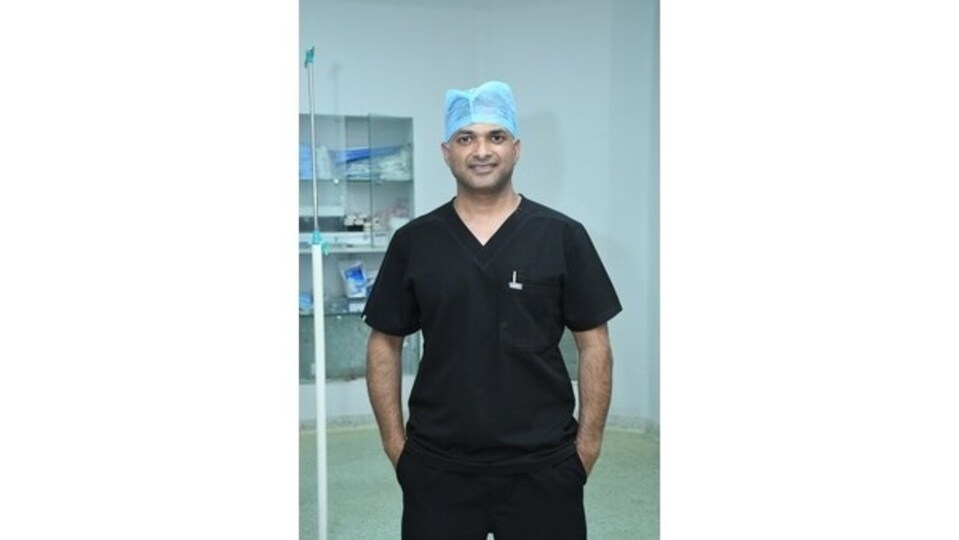
Dr Nitin Bansal is a leading robotic and minimally invasive surgeon associated with Global Cradle Hospital. He actively advocates for advanced surgical care, robotic surgery adoption, and the growth of high-quality healthcare infrastructure in Tier-2 India, with a vision to make world-class treatment accessible beyond metropolitan cities.
By Dr. Nitin Bansal
Disclaimer: This article has been produced on behalf of the brand by HT Syndication.
Want to get your story featured as above? click here!


