
 E-Paper



“In pursuit of a perfect harmony - Brand x Music”
Effective partnerships with artists can create lasting emotional bonds and require careful consideration of creative control and alignment with brand values.

 Prefer HTon Google


The marketing landscape is evolving faster than most of us care to admit — and it is rife with disruption. Every marketer today is fighting on too many fronts, trying to differentiate the brand and stand out. No business school has prepared us for this moment, where the rules of the game shift like a rapid river: struggling to retain control in changeable market realities. How does a brand marketer succeed in such a scenario?
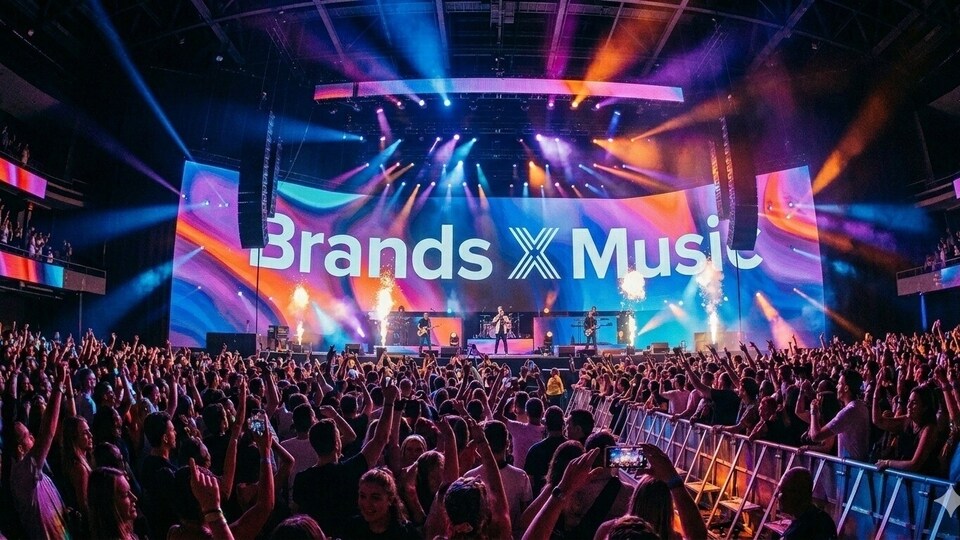

There is no single mantra that wins it all. Trial and error play a great role, and a delicate balance between relying on hard-earned experience and the courage to explore unchartered territories may be a defining factor in success. In both cases however, the fundamentals remain constant: strategy, execution, measurement, and rigorous tracking of actions and their outcome.
One of the most persistent challenges brands face is the battle to effectively differentiate and discern brand identity. There are many ways to do so, and I want to share my perspective on one differentiator that remains significantly underutilised: Music.
We have all converts to the algorithm zeitgeist. We consume what the algorithm decides we should see — which means that no matter what a brand puts out into the world, it is at the mercy of that algorithm to determine whether the content reaches its intended audience. The alternative is to spend heavily on media to force that reach. But the deeper questions remain unanswered: Are we creating memory structures? Are we building truly memorable moments? Are we distinguishing ourselves in any meaningful way?
Music, used strategically, can be the missing ingredient that helps achieve all three. It can give a brand a genuine edge, make the message relatable, and more importantly, make it stick. The problem is that most brands today reach for the same stock music libraries or pile onto the same trending audio. The result is multiple brands confusing the audience with the same noise when their attention is already divided. To cut through that noise, investment in original music by building real partnerships with artists, delivers a unique advantage.
The selection of the right genre and the right artist is not a simple exercise - it demands informed, strategic thinking of a marketer.
A marketer needs to be aligned on several factors before choosing Music as its strategic game plan- Is there a specific trend, social movement, or cultural moment the brand wants to associate with? Who are the authentic, leading voices within that space? What is the core message the brand needs to deliver, and does the artist's image and value system reflect that message with integrity? What is the depth of influence the artist commands over their own audience, and does that audience cohort align with the brand's target?
When all these parameters converge, the results can be remarkable. A brand's association with an artist and their music can build a genuine emotional bond with its audience and significantly extend the campaign's overall reach. Original branded music has a far longer shelf life than any trending audio clip. It creates positive memory structures. It drives brand recall beyond social media — at every consumer touchpoint where that music is heard. That is the compounding power of original music done right.
Brand and artist partnerships, when executed well, produce original creative work that deepens emotional connection, builds credibility within a cultural movement, sustains audience engagement, and amplifies overall resonance in ways that paid media alone simply cannot replicate.
Now, there is a genuine tension at the heart of all of this, and I speak from experience. Marketers need to think hard before taking the leap - How much control should a brand retain? What degree of creative liberty should an artist be given? What guardrails are necessary versus counterproductive?
The brand and the artist ecosystem can complement each other powerfully, but there has historically been a tug-of-war between the two very different fraternities with no clean resolution. What the evidence does show, however, is this: brands that strike the right balance - that give artists genuine creative freedom while maintaining brand guardrails - succeed. Brands that over-engineer the creative process and interfere too heavily with an artist's instincts fail. And importantly, when the partnership fails, it is rarely the music that has failed. It is the relationship.
We have no shortage of examples across categories — brands that have used music and artist collaboration to reach new demographics, remain relevant within popular culture, forge emotional connections with their audiences, and build memories that outlast any single campaign cycle. We have all been witness to some great collaborations between brands, artists and music overall, where brands have successfully shaped their sonic identities – Netflix (Ta-Dum), Airtel (A.R. Rehman ringtone), Britannia (Ting-Ting-Ti-Ding), Intel (Bong), McDonald’s (Ba-Da-Ba-Ba-Bah). Coke Studio is a great example of how a brand can leverage music for years to build relevance across demographics. The Coke Studio IP transcends cultures and borders, and has created strong brand equity which will remain intact in memories for years.
Another set of music based brand salience have been created through celebrated collaborations that aim to capitalize on an artist's popularity through association: Adidas x Pharrell, Apple Music x Billie Eilish, Royal Enfield x Thaikkudam Bridge, Mercedes x The Weeknd, Thumps Up x HMK. Successful experimentation in this area abounds in the alcohol sector - Bacardi and Pernod Ricard for example - which operates in an otherwise regulated regime, limiting their options. Other brands use music to deliver a deeper brand experience to pull in patrons into the brand world through concerts and festivals - BMW Joytown, Royal Enfield MotoVerse, World Ducati Week, NH7 Weekender, to name a few.
To bring it home: in an age of clones, where every brand is swimming in the same direction and chasing the same trends, original music is one of the clearest paths to genuine and memorable differentiation. To leverage it well, brands must ensure deep alignment between their values and those of the artist and its audience, not just superficially but on an ideological level. Once that alignment exists, project the brand's ethos with confidence and then step back and give the artist the highest possible degree of creative liberty. After all, the artist has a brand to protect too — and their authenticity is precisely what makes the collaboration valuable in the first place.
It goes without saying that music alone is not the finish line. It must be amplified by a 360-degree marketing campaign that covers every relevant touchpoint, with a clear measurement framework to track what is working and what is not.
There is no recipe for virality. But original, thoughtfully conceived music — built around specific brand objectives and executed with genuine creative partnership — can bring a campaign meaningfully closer to that outcome.
Written by Jatin Chhikara, Global Head – Marketing, Royal Enfield.
Note to the Reader: This article is part of Hindustan Times' promotional consumer connect initiative and is independently created by the author. Hindustan Times assumes no editorial responsibility for the content.


