
 E-Paper



Why More Indians Are Choosing Gold Bullion Over Jewellery
Gold ownership in India is evolving from traditional jewellery to bullion, with investment demand surpassing jewellery demand for the first time in 2026.

 Prefer HTon Google


For generations, gold jewellery was the most common way Indians bought and owned gold.
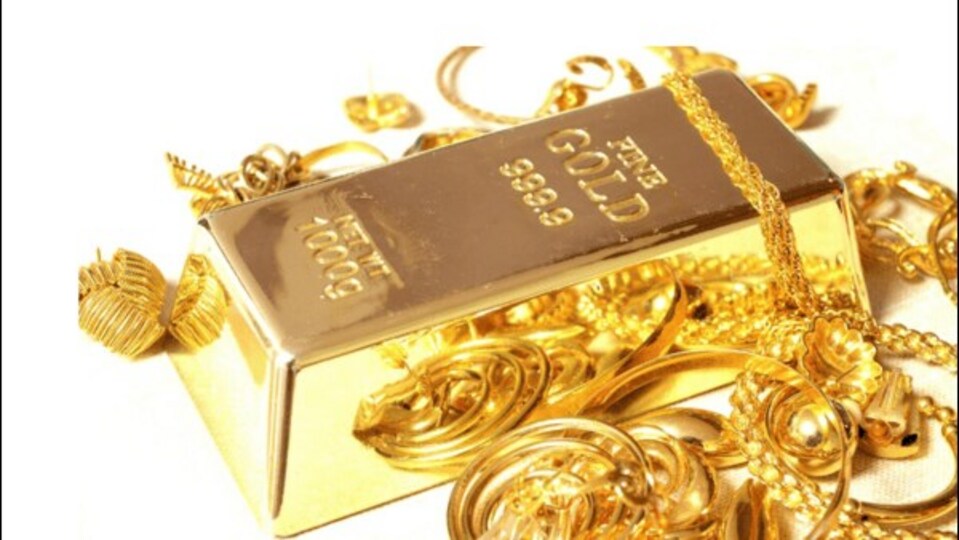
Whether it was a wedding, festival, family celebration or long-term savings, gold purchases usually took the form of necklaces, bangles, earrings and rings. Jewellery was more than an ornament. It was also a store of wealth.
That relationship with gold remains strong, but the way people are buying it is changing.
An increasing number of buyers are choosing gold coins and bars instead of jewellery. The shift has become significant enough to show up in national demand trends, with investment demand overtaking jewellery demand for the first time in early 2026.
The change does not mean Indians are buying less gold. It means they are becoming more selective about how they own it.
Gold Ownership Is Becoming More Investment-Focused
Many consumers today are approaching gold with a different objective than previous generations.
While jewellery continues to be purchased for weddings, gifting and personal use, a growing section of buyers is purchasing gold primarily as an asset. For these buyers, the focus is on accumulating gold rather than wearing it.
Gold coins and bars offer a straightforward way to do that. The emphasis is on the metal itself, making bullion an increasingly attractive choice for people looking at long-term wealth preservation.
Rising Prices Are Changing Buying Behaviour
The sharp rise in gold rates over the past few years has influenced purchasing decisions across the market.
As gold becomes more expensive, large jewellery purchases require a bigger financial commitment. On top of the gold value, buyers also pay making charges and, in many cases, wastage charges. Making charges can range from around 5% to 25% of the gold value depending on the design and craftsmanship involved, while wastage charges may add another 5% to 10%. These costs contribute to the final purchase price but are generally not recovered during resale.
Coins and bars are increasingly appealing because they typically involve lower making and design costs than jewellery. For buyers focused on the value of the gold itself, bullion can offer a more direct way to gain exposure to the metal.
Instead of postponing purchases altogether, many consumers are choosing coins or bars that allow them to continue accumulating gold in smaller quantities.
Bullion Is Easier to Buy and Understand
One reason behind the growing interest in gold coins and bars is their simplicity and flexibility.
When people buy a gold coin or bar, the purchase is largely based on weight, purity and prevailing gold prices. There is less emphasis on craftsmanship, fashion trends or design preferences, making valuation easier to understand and compare over time.
Gold ownership is also no longer limited to large purchases made during weddings or festivals. Coins and bars are available in a range of weights, allowing consumers to buy according to their budget and financial goals. This flexibility makes it possible to accumulate gold gradually over time rather than waiting for a major purchase occasion.
As financial awareness grows and more households actively plan their savings, bullion is increasingly being viewed as a practical way to hold gold and incorporate it into regular saving and investment habits.
The Numbers Reflect the Shift
The changing preference is now visible in industry data.
According to the World Gold Council, India's total gold demand reached 151 tonnes in the first quarter of 2026, up 10% from a year earlier. Investment demand rose to 82 tonnes, while jewellery demand stood at around 66 tonnes.
Within investment demand, bar and coin demand reached 62 tonnes, highlighting the growing popularity of physical investment-grade gold.
The figures marked a significant milestone for the Indian gold market, with investment demand exceeding jewellery demand for the first time on record.
Jewellery Still Has an Important Place
The growing popularity of bullion does not mean jewellery is disappearing.
Gold jewellery remains deeply connected to weddings, gifting traditions, festivals and family celebrations. These cultural factors continue to support demand across the country.
However, buying patterns are evolving. Many consumers are balancing jewellery purchases with investment purchases. Some are reserving jewellery for important occasions while using coins and bars for long-term accumulation.
Jewellers are also adapting to changing preferences by offering lighter-weight products and more affordable designs.
The Real Cost of Selling Jewellery and Bullion
The difference between jewellery and bullion often becomes most visible during resale.
When a gold coin or bar is sold, the valuation is typically based on its weight, purity and prevailing gold price. Products from recognised refiners and certified bullion brands are generally easier to evaluate because their purity and origin can be verified. Original invoices, packaging, and purity documentation can further simplify the evaluation process during resale.
Jewellery follows a different process. While the gold content retains value, making charges and wastage charges paid at the time of purchase are usually not recovered. Depending on the jeweller, additional melting or testing charges may also apply.
This difference helps explain why some buyers increasingly prefer bullion when their primary objective is investment rather than adornment.
Gold Investing Is Expanding Beyond Physical Ownership
The growing demand for bullion is part of a broader shift in how consumers view gold. Alongside coins and bars, products such as Gold ETFs and digital gold have also gained attention. Together, these trends suggest that more people are viewing gold as a financial asset in addition to a traditional store of value.
For many investors, bullion remains the most direct form of physical gold ownership, while ETFs and digital platforms provide alternative ways to participate in the gold market.
Domestic Gold Refining Is Becoming More Important
India has traditionally relied on imported gold to meet demand. At the same time, recycled gold is becoming an increasingly important source of supply.
Domestic refiners process old jewellery, scrap gold and other gold-bearing materials into refined bullion products that can re-enter the market. This supports a more circular gold ecosystem by bringing existing gold holdings back into productive use.
According to World Gold Council data, recycled gold already contributes meaningfully to India's gold supply, highlighting the growing role of domestic refining alongside imports.
Refiners such as MMTC-PAMP have introduced purity verification services that allow consumers to evaluate old gold through technologies such as XRF testing before selling it. Following assessment and applicable charges, payments are typically made through transparent banking channels.
Beyond individual sellers, gold recycling helps reduce dependence on fresh imports and supports a more efficient use of gold already present within the country.
The Bottom Line
India's connection with gold remains as strong as ever, but ownership patterns are evolving.
For decades, jewellery dominated gold purchases. Today, coins and bars are gaining ground as more consumers prioritise investment value, purity and long-term wealth preservation.
Rising prices, the impact of making and wastage charges, greater transparency during resale, expanding domestic refining capabilities and changing financial habits are encouraging more buyers to choose bullion.
The result is a noticeable shift in the market. Gold continues to hold cultural significance, but for many buyers it is increasingly being viewed through an investment lens alongside its traditional role in jewellery.
Note to readers: This article is part of HT's paid consumer connect initiative and is independently created by the brand. HT assumes no editorial responsibility for the content, including its accuracy, completeness, or any errors or omissions. Readers are advised to verify all information independently.
Want to get your story featured as above? click here!


