
 E-Paper



Experience old world charm in a 1940s tram, at Gurgaon’s Heritage Transport Museum
Did you know that Delhi, Mumbai, and Chennai used to have tram systems? Know more about the history of trams at the Heritage Transport Museum, Gurgaon.


Ring the bell and travel back in time as you hop onto the 1940’s wood-bodied tram from Kolkata, stationed at the Heritage Transport Museum, Taoru, Gurgaon. Tram car no. 204, acquired from Calcutta Tramways in September 2017, is one of the last few surviving wood-bodied trams. With a length of 57 feet and a width of 7 feet, it can house up to 61 passengers in a two-car articulated carriage. Even though the tram doesn’t move, it deserves a visit. Divided into first and second classes, it gives a visual tour of the history of trams in India through the screens inside the coaches.
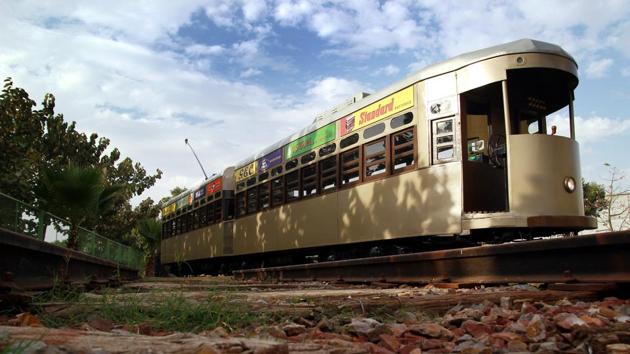

From the application of hammer tone paint to the repair of planks, months of work went into the revival of the tram. On the process, Dinesh Verma, one of the restorers, says, “The tram came to us in scrap condition and took around two months to beautify. Calcutta Tramways gave us a lot of information for research, which was how we were able to restore it. We repaired the windows, planks, and flooring, making it look exactly how it had back then.”
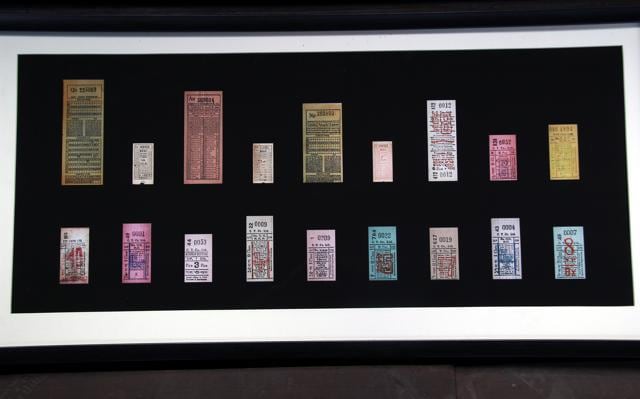
Did you know that the major tramways in India include Bombay Electric Supply and Tramway Company, Calcutta Tramways Company, Delhi Electric Tramways and Light Company, among others? There’s plenty of nostalgia at the Heritage Transport Museum, with gems such as vintage photographs of trams, Bombay Tram time table, original tram tickets, and documentaries showcasing the history of trams in Indian subcontinent. There are old advertisements that greet you as you enter the tram. You can also spot a sign that says ‘Please don’t provide us ₹5 notes because we cannot give you change’.
“The curiosity about how Indians travelled back in the day is how the thought of restoring the tram came into being. Trams have played a major role in transportation in India. Even though Delhi, Madras, Bombay have all had trams, today, trams are active only in Kolkata. The future generation won’t be able to see this, unless museums or individuals restore them,” shares Tarun Thakral, founder and managing trustee of the museum.
“Cities such as Vienna, Prague, and San Francisco continue to have trams that run on electricity. In India, too, we should focus on public transportation as that is only way we can reduce traffic on the roads. Our role is to inspire people. If people go back inspired, then we have done our job,” adds Thakral.
Follow @htlifeandstyle for more

Stay updated with all the Breaking News and Latest News from Mumbai. Click here for comprehensive coverage of top Cities including Bengaluru, Delhi, Hyderabad, and more across India along with Stay informed on the latest happenings in World News.


