
 E-Paper



Varying temperatures in Gurugram lead to rise in allergies, lung infections
Doctors said the best way to protect oneself from the varying weather conditions is to reduce the time spent outdoors, be in dust-free surroundings and keep a check on what you eat.


The city has seen widely fluctuating temperatures this month, with the minimum temperature hitting a low of 5.8 degrees Celsius on March 1 and sharply rising to 12 degrees Celsius the following night, as per India Meteorological Department (IMD) data. The night temperature so far this month has been either more than two degrees below or above the normal of 10 degrees Celsius. This fluctuation in temperatures has triggered a rise in the number of cases of respiratory infections among the city’s residents, said doctors.
“A large number of people, particularly children, are developing breathing problems and lung infections due to the changing weather conditions. My out-patient department has been seeing about 50 patients every day with allergic symptoms, such as red eyes, nasal congestion and runny nose. Earlier, a normal day would involve attending to about 20-25 such patients,” said Dr Neetu Talwar, pediatric pulmonogist at Fortis Hospital, Sector 44. Talwar added the number of cases also go up during this time of the year due to higher concentrations of pollen in the atmosphere.
Dr Piyush Goel, pulmonologist at Columbia Asia Hospital, Palam Vihar, said a higher number of people, mostly children and the elderly, get admitted to the hospital at this time because of their asthma.
“Most people are allergic to pollen and that causes irregularities in the immune system. Pollen also irritates the nose, eyes and throat, leading to symptoms of fever,” he said, adding that the sudden spurt in the number of cases started about a week ago.
Doctors said the rising and falling temperatures also lower the immunity. “People who catch the flu or have underlying diseases such as hypertension or a heart disease should take extra care this season,” Dr Goel said.
According to officials in the IMD, another spell of rain is expected on Monday and may last at least till Thursday. “Another western disturbance is likely to cause widespread rainfall around parts of Haryana, Punjab and the National Capital Region from Monday onwards,” said Kuldeep Srivastava, senior scientist at the IMD, adding that this would be the winter season’s 16th western disturbance, which is unusual, as the country sees only about five to six disturbances on an average during this time of the year.
Doctors said the best way to protect oneself from the varying weather conditions is to reduce the time spent outdoors, be in dust-free surroundings and keep a check on what you eat.
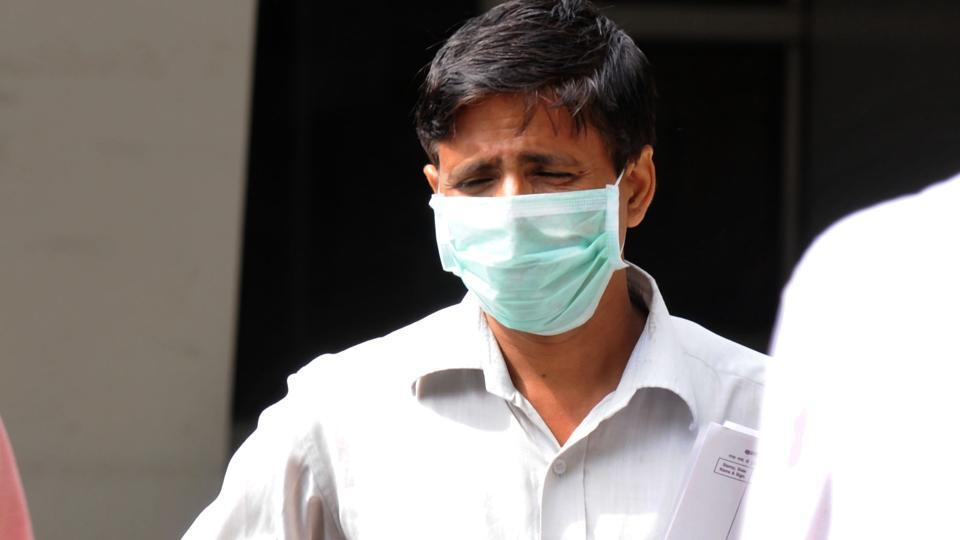
Doctors added that N-95 masks should be worn to prevent dust and pollen particles from entering the nose and mouth, and that self diagnosis should be avoided.

Stay updated with all the Breaking News and Latest News from Mumbai. Click here for comprehensive coverage of top Cities including Bengaluru, Delhi, Hyderabad, and more across India along with Stay informed on the latest happenings in World News.


