
 E-Paper



Haryana makes vector-borne diseases notifiable
A notifiable disease is one that is required to be reported to government authorities by law so that incidences of the disease can be monitored and outbreaks controlled.


The Haryana government has made vector-borne diseases notifiable for the next three years to control and reduce possible outbreaks, state health department officials said.
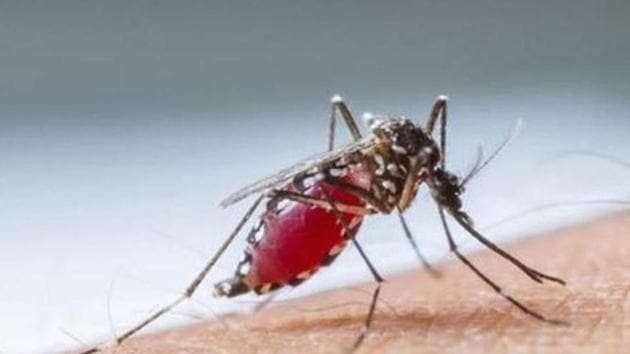
A notifiable disease is one that is required to be reported to government authorities by law so that incidences of the disease can be monitored and outbreaks controlled. Until recently, 22 epidemic diseases, such as cholera, silicosis, diphtheria, encephalitis, leprosy, tuberculosis, AIDS and hepatitis, were notifiable in the state. According to officials, malaria, dengue, chikungunya, and Japanese encephalitis were added to the list of notifiable diseases earlier this week.
“The move was made to make sure the state is vector-free in the next three years,” Dr Usha Gupta, director, vector-borne diseases, Haryana, said, adding that now, all registered medical practitioners are required to notify a case of the four diseases to the government with proper documents in no more than three days after detection. In case of emergencies, a verbal notification within 24 hours is needed. The decision to notify the diseases was taken under the Epidemic Disease Act, 1897, which confers powers to local authorities to implement measures necessary to control an epidemic. According to officials, a failure to report a notifiable disease by any government hospital, private hospital, laboratories, and clinics can invite action by the state government.
So far this year, Haryana has reported 510 cases of malaria and 16 cases of dengue. It has not reported any case of chikungunya and Japanese encephalitis thus far. In 2018, a total of 3,149 cases of malaria, 1,936 cases of dengue and three cases of chikungunya were reported. No Japanese encephalitis case was reported, as per data with the state government.
Before being declared notifiable, cases of vector-borne diseases in the state were being reported to the district health department. Blood slides of those suspected to have the disease by a private hospital or a clinic have to be sent to the health department which confirms it by tests in a lab.
However, earlier, notification of vector-borne diseases by private and government bodies wasn’t mandatory, officials said. “With the diseases becoming notifiable, public and private health centres have to now keep records of the patient’s case as well as the action taken, and submit the same to the state. This will ensure no case goes unreported,” Dr MP Singh, district nodal officer, Gurugram, said. He added that after tuberculosis was made a notifiable disease by the Centre in 2012, more cases were detected, thus ensuring better surveillance.
According to state health department officials, this collated information on the number of cases of vector-borne diseases will help monitor them closely and find areas that need increased surveillance.

Stay updated with all the Breaking News and Latest News from Mumbai. Click here for comprehensive coverage of top Cities including Bengaluru, Delhi, Hyderabad, and more across India along with Stay informed on the latest happenings in World News.


