
 E-Paper



Exercising may be as fruitful as surgery for treating knee injury



Exercise therapy may benefit middle-aged people suffering from meniscal tear — a common type of knee injury — as much as surgery, claims a new study.
Exercise therapy may benefit middle-aged people suffering from meniscal tear — a common type of knee injury — as much as surgery, claims a new study.
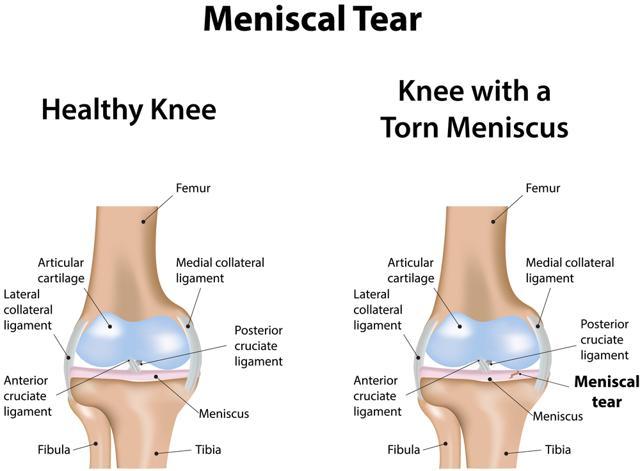
Meniscal tear is the damage to the rubbery discs that cushion the knee joint.
According to the study published in the journal The BMJ, the researchers suggested that supervised exercise therapy be considered a treatment option for middle-aged patients with this type of knee damage.
Read: More accurate and safer computer-assisted knee surgeries changing lives
The research suggests that arthroscopic knee surgery offers little benefit for most patients.
The researchers carried out a randomised controlled trial for the study to compare exercise therapy with arthroscopic surgery among middle-aged patients with degenerative meniscal tears.
They identified 140 affected adults (average age 50 years), almost all of whom had no definitive x-ray evidence of osteoarthritis.
Half of the patients received a supervised exercise programme over 12 weeks (two-three sessions each week) and half received arthroscopic surgery followed by simple daily exercises to perform at home.
Thigh muscle strength was assessed at three months and knee function was recorded at two years.
No clinically relevant difference was found between the two groups for outcomes such as pain, function in sport and recreation, and knee-related quality of life. At three months, muscle strength had improved in the exercise group of patients.
Read: A foolproof way to shed those extra kilos
No adverse events occurred in either group during the two-year follow-up. Of all participants in the exercise group, 13 crossed over to surgery during the follow-up period — with no additional benefits.
“Supervised exercise therapy showed positive effects over surgery in improving thigh muscle strength, at least in short term. Our results should encourage clinicians and middle aged patients with degenerative meniscal tear and no radiographic evidence of osteoarthritis to consider supervised structured exercise therapy as a treatment option,” University of Helsinki researcher Teppo Jarvinen said.
Follow @htlifeandstyle for more.
Catch your daily dose of Fashion, Taylor Swift, Health, Festivals, Travel, Relationship, Recipe and all the other Latest Lifestyle News on Hindustan Times Website and APPs.


