E-Paper



Bangalore scientists develop new TB drug regimen with better outcomes, lower toxicity

 Prefer HTon Google


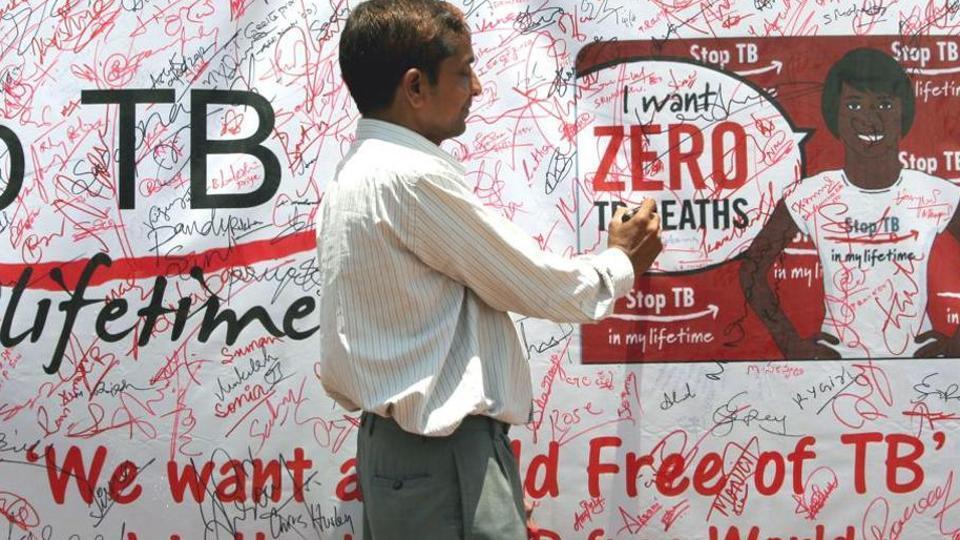
Although the past decade has seen major developments in the TB drug discovery pipeline, there is a constant need for improved therapeutic interventions.
Researchers at the Indian Institute of Science (IIS) have discovered a new drug combination that promises better outcome in treating Tuberculosis (TB), which causes 250,000 deaths in India each year.
Animal studies on mice shows that the drug Pranlukast (PRK) not only killed tuberculosis bacterium but also compromised its survival strategies within the cells, said the research, published in the February issue of online journal, EMBO Molecular Medicine.
“The problem with TB is the bacterium keeps developing resistance against new drugs and at least 15 drugs have been abandoned so far, either due to resistance against the drug or severe toxicity,” says Dr Avadhesha Suroli, lead researcher of the project.
“Our research has proved this combination could work better and be an effective addition to the TB drug pipeline that needs to be reinvented frequently. We need the government or pharma companies to come forward and conduct Phase II trials to know the efficacy and dosage escalation,” said Dr Suroli, who led the six-member team that has been working on the project for the past five years.
The researchers propose a combination of Pranlukast with the standard-of-care therapy drugs, to be highly efficient against Tb pathogen, thereby providing an opportunity to use this novel drug combination for TB therapeutics.
“Three drugs are currently being used — Isoniazid, Rifampin and Ethambutol -- in combination therapy and we recommend Ethambutol be replaced with PRK as it could work better,” says Dr Suroli.
PRK has the potential to be included directly into the therapeutic regime against Tb as it has approval for treatment of asthma in the US, Japan and Europe.
Although the past decade has seen major developments in the TB drug discovery pipeline, there is a constant need for improved therapeutic interventions. “This new drug combination is expected to have fewer side effects. Also, we have saved about 10 years of research time as the drug is already in use. The government or other interesting parties can straightaway invest in phase II clinical trials. If they start now, then the combination should be in use within next five years,” says Dr Suroli.
New therapy regimens endorse strategies wherein the pre-approved drugs for other ailments are re-purposed for targeting lethal Mtb strains.
“There are hundreds of ongoing studies and so many trials awaiting publication on drug pipelines for TB,” says an additional professor of microbiology, All India Institute of Medical Sciences, Delhi, requesting anonymity. “The reasons for developing resistance to first-line of treatment are many, including poor drug regimen and dropping treatment midway.”