
 E-Paper



Disrupted sleep may predict risk of developing Alzheimer’s disease
Findings of a study in the US showed that people who reported worse sleep quality, more sleep problems and daytime sleepiness had more biological markers - for Alzheimer’s disease in their spinal fluid than people who did not have sleep problems.


Lack of proper sleep may predict the risk of developing Alzheimer’s disease in people who are otherwise healthy, researchers claim.
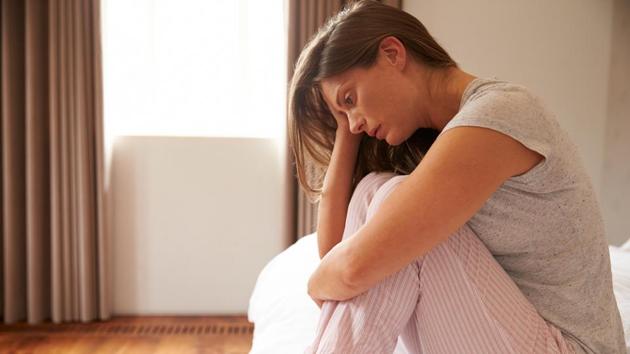
Findings of a study in the US showed that people who reported worse sleep quality, more sleep problems and daytime sleepiness had more biological markers - including signs of amyloid, Tau and brain cell damage and inflammation - for Alzheimer’s disease in their spinal fluid than people who did not have sleep problems.
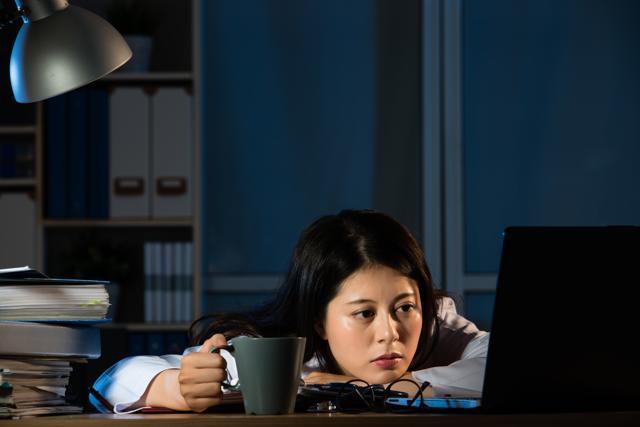
While amyloid is a protein that can fold and form into plaques, Tau is a protein that forms into tangles. These plaques and tangles are found in the brains of people with Alzheimer’s disease. “Previous evidence has shown that sleep may influence the development or progression of Alzheimer’s disease in various ways,” said Barbara B. Bendlin, from the University of Wisconsin-Madison in the US.
“For example, disrupted sleep or lack of sleep may lead to amyloid plaque buildup because the brain’s clearance system kicks into action during sleep,” Bendlin added. For the study, published in the journal Neurology, the team recruited 101 people with an average age of 63 who had normal thinking and memory skills but who were considered at risk of developing Alzheimer’s, either having a parent with the disease or being a carrier of a gene - called apolipoprotein (APOE) - that increases the risk for Alzheimer’s disease.
However, not everyone with sleep problems had abnormalities in their spinal fluid. The study found no link between Alzheimer’s and obstructive sleep apnoea, the researchers pointed out. “It’s still unclear if sleep may affect the development of the disease or if the disease affects the quality of sleep. More research is needed to further define the relationship between sleep and these biomarkers,” Bendlin added.
Follow @htlifeandstyle for more
Catch your daily dose of Fashion, Taylor Swift, Health, Festivals, Travel, Relationship, Recipe and all the other Latest Lifestyle News on Hindustan Times Website and APPs.


