E-Paper



Fight against global poverty and disease not over yet, says the latest report from Bill & Melinda Gates


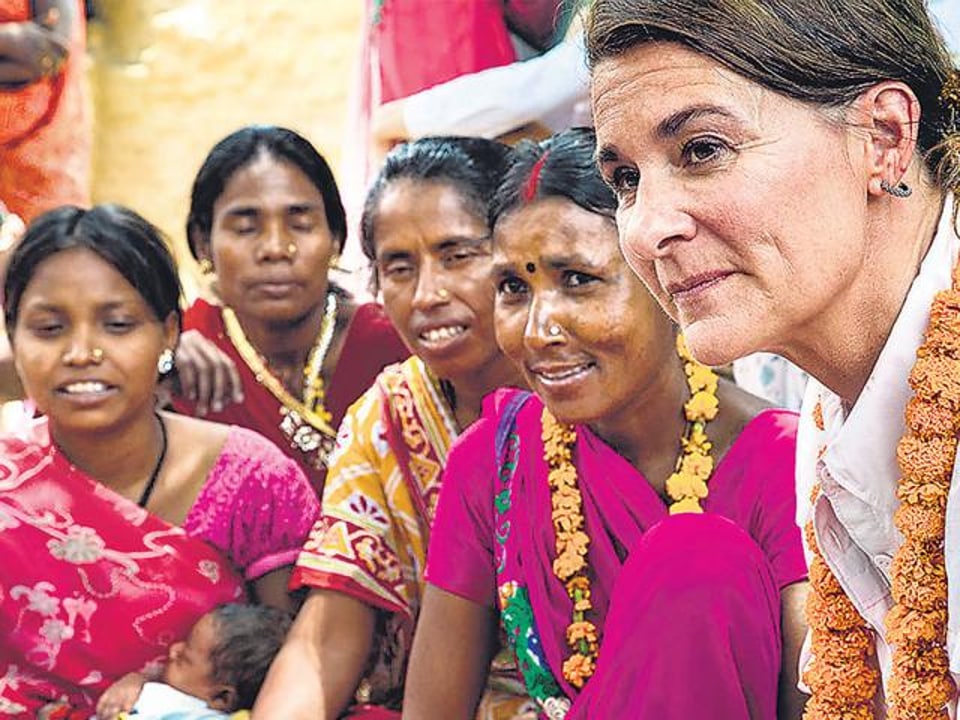
Under-five mortality dropped from 11.2 million in 1990 to five million in 2016, owing to better living conditions and vaccinations. Based on current projections, the number will come down to 2.5 million
The number of poor in the world has come down by 50% in the past three decades, says the ‘Goalkeepers’ report by the Bill and Melinda Gates Foundation that was launched on Wednesday.
However, there is much that remains to be accomplished still.
“The world has made remarkable progress against global poverty and disease. Extreme poverty, child deaths, and cases of malaria have been cut in half. But the job isn’t finished, and continued progress isn’t inevitable,” says the report.
The aim of launching the Goalkeepers report is to accelerate progress by diagnosing urgent problems, identifying solutions, measuring the results, and spreading best practices.
This year’s report is first among many that are planned as a series to monitor progress made in achieving global sustainable development goals (SDGs).
SDGs were established by the United Nations in 2015.
“We will publish it (the report) every year until 2030.”
The report tracks 18 indicators from the SDGs, and includes breakthrough data projections to forecast future scenarios.
It also tells the stories behind the data with first-person accounts from leaders around the world who are working to save lives and give everyone an opportunity to reach their full potential.
The report has some encouraging figures like six million fewer children die, 300 million women now have access to contraceptives etc.
Under-five mortality dropped from 11.2 million in 1990 to five million in 2016, owing to better living conditions and vaccinations. Based on current projections, the number will come down to 2.5 million, says the report.
The report appreciates India’s efforts to bring in technology for the welfare of its people.
“…there’s exciting new evidence that digital financial services like payments and savings do indeed help people lift themselves out of poverty.”
“India has been especially innovative about investing in the building blocks of digital financial inclusion. Aadhaar, a nationwide biometric identification system, makes it simpler and more secure for poor people…”
The report further says, “The decisions we make in the coming years will have a big impact on whether millions of people conquer disease and lift themselves out of extreme poverty. We hope the data and stories in this report will inspire bold leadership.”
The first report in the series has been released at the time when the UN General Assembly prepares to meet in New York this month.