
 E-Paper



More swine flu cases in 2017 than entire last year, but death rate lowest ever


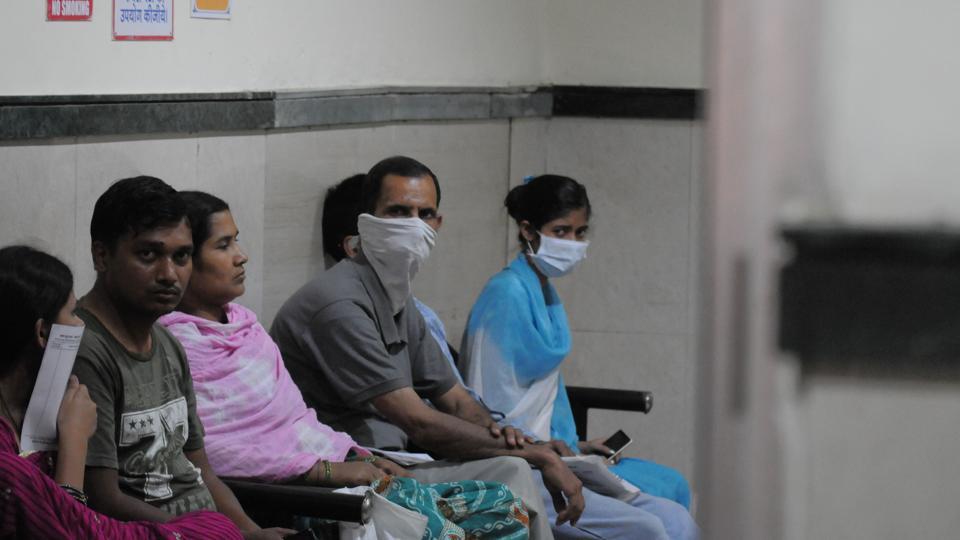
The numbers are likely to be higher because only those with serious disease get tested for influenza A(H1N1)pdm09 virus as the virus shares genes with an influenza virus that infects pigs.
There have been more swine flu cases and deaths in first four months of 2017 in India than all of 2016.
The number of cases is five-fold higher in just over four months compared to last year’s cumulative data. There have been 8,648 confirmed cases and 345 deaths till May 7 compared to 1,786 cases and 265 deaths between January and December 2016, according to Union health ministry data.
The numbers are likely to be higher because only those with serious disease get tested for influenza A(H1N1)pdm09 virus, which is popularly referred to as swine flu, because the virus shares genes with an influenza virus that infects pigs.
Tamil Nadu accounts for close to one-third of the total swine flu cases and Maharashtra accounted for more than half the nationwide deaths. Gujarat is the worst hit state with one in four persons diagnosed with H1N1 dying in the state.
But the death rate this year is the lowest ever. Less than 4% people diagnosed with the disease died this year, compared to 14.8% in 2016.
The dominant strain flu strain in India this year is the A/Michigan/7/2009 (H1N1) pdm09 virus, which replaced last year’s A/California/7/2009 (H1N1) pdm09 virus as the predominant virus around the world.
“The A/Michigan/7/2009 (H1N1) pdm09 virus has been isolated in the Indian population for the first time, so we still don’t know how it will play out in India,” Dr Soumya Swaminathan, director general of India’s apex research institute, Indian Council of Medical Research told HT.
India’s worst outbreak was in the pandemic years of 2009-10, when H1N1 sickened close to 50,000 people and killed more than 2,700.
“Fewer people are dying of the disease this year because of improved diagnosis and disease management. A lot of training has gone in, though more studies are needed to explain why deaths are higher in western India,” said Dr Swaminathan.
Swine flu causes symptoms of fever, lethargy, headache, cough, sore throat and nausea. Most people recover within a week, but people with low immunity and poorly-managed chronic diseases such as asthma, lung diseases, diabetes, cancer, kidney or heart problems risk serious complications and even death from multi-organ failure.

Catch your daily dose of Fashion, Taylor Swift, Health, Festivals, Travel, Relationship, Recipe and all the other Latest Lifestyle News on Hindustan Times Website and APPs.


